A couple bought a Chelsea property for £9.75 million, demolished and rebuilt it, then sold it for £27.15 million; a tax tribunal rejected HMRC’s argument that the project was a trading venture
A couple who bought a Chelsea property for £9.75 million, demolished the existing building and constructed a new house before selling it for £27.15
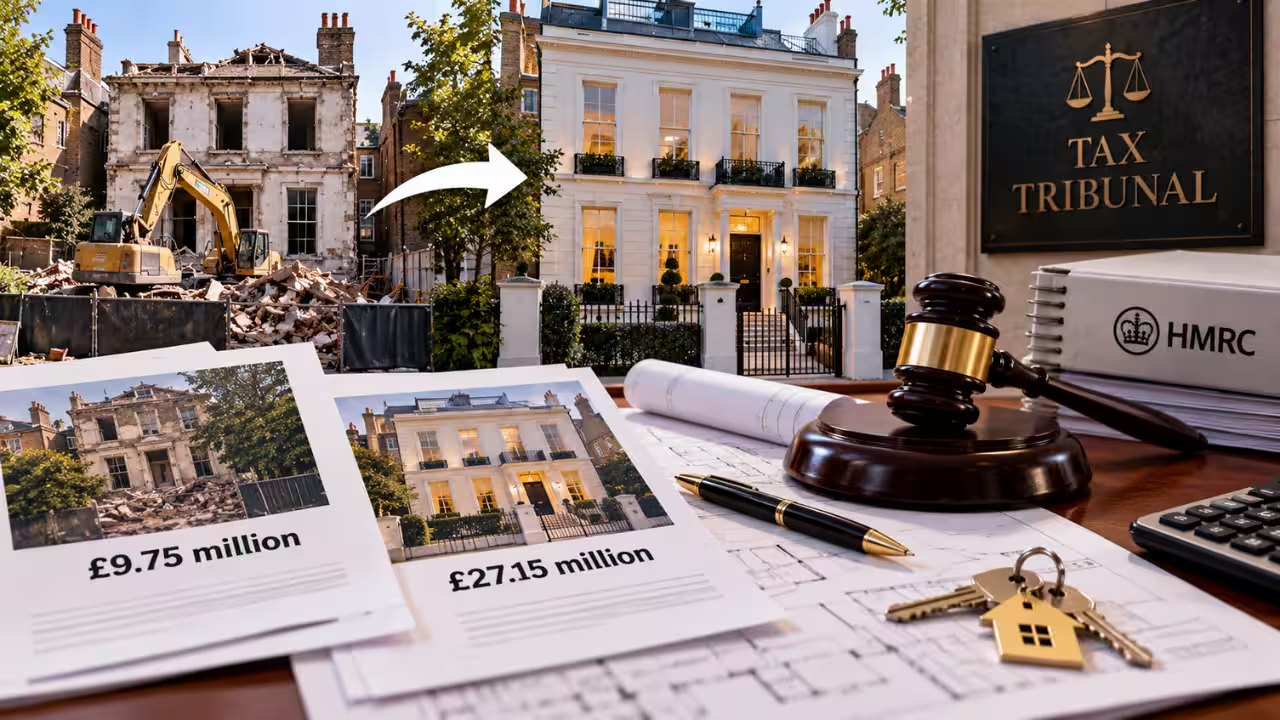
A couple who bought a Chelsea property for £9.75 million, demolished the existing building and constructed a new house before selling it for £27.15 million have won a tax tribunal appeal against HM Revenue and Customs (HMRC). Raymond and Diana Eyre faced a dispute over whether their redevelopment of the Burnsall Street property constituted a trading venture or the sale of a private residence. HMRC argued the property was acquired to make a profit, while the couple maintained that they intended to live there. In April 2025, the First-tier Tribunal ruled that the project was not a trading venture.Why did the tribunal reject HMRC’s trading argument over the Chelsea propertyHMRC’s position was that the Eyres had acquired Burnsall Street to redevelop and sell it for a profit. The tribunal recorded the tax authority’s argument that the property was “never an asset which the Appellants wished to hold and was rather acquired to be resold”. HMRC also relied on the development agreement with property developer, Finchatton, the arrangements for the marketing of the completed property and the circumstances surrounding its eventual sale.According to the First-tier Tribunal (Tax Chamber), the Eyres disputed that interpretation, arguing that they had originally intended to move into Burnsall Street as their home and sell their existing property in Holland Park. The tribunal examined contemporary documents, including correspondence with their bank, as well as evidence about their involvement in the design and construction of the Chelsea house. It concluded that the couple’s intention at the time they acquired the property was central to deciding whether the transaction amounted to trading. The judgment stated that the question was whether the intention to trade “existed at the time of the acquisition of the asset”.How did the Eyres’ plans to live in Chelsea influence the tax rulingThe tribunal found that the Eyres intended to move into Burnsall Street after refurbishing it and to sell their Holland Park property. Evidence included a note from their bank in May 2010 recording their intention to trade down from the Holland Park house and put it on the market after the anticipated works at Burnsall Street. The tribunal also considered the couple’s extensive involvement in the design and fitting out of the new property.The completed house included features tailored to the family’s requirements, such as a swimming pool, gym, wine cellar and bespoke living spaces. The Eyres also selected materials and equipment according to their personal preferences. The tribunal noted that some of these choices increased costs without necessarily improving the property’s saleability. It found that the couple’s involvement and the personal nature of the finished house were inconsistent with HMRC’s argument that they had acquired the property solely to make a profit on resale. The tribunal therefore concluded that the purchase, redevelopment and sale of Burnsall Street did not constitute a trading venture.How did the £27.15 million Chelsea sale affect the Eyres’ tax appealThe tribunal recorded that the Eyres exchanged contracts to sell Burnsall Street in November 2014 for £27.15 million, with a further £600,000 paid for the furniture. Completion took place on 2 February 2015. The judgment stated that, after costs, the Eyres’ share was approximately £8.5 million between them, while Finchatton received approximately £2.9 million. The tribunal also noted that the sale price was considerably higher than the parties had anticipated when the project began.The tribunal separately considered whether Burnsall Street qualified as the couple’s principal private residence for capital gains tax purposes. It found that they had occupied the property as their residence from July 2013 until they moved out around the beginning of February 2015, and that their nomination of Burnsall Street as their main residence entitled them to principal private residence relief for the relevant period. The judgment concluded that the appeals should be allowed on both the trading-venture issue and the principal-residence issue. However, the tribunal did not determine the final amount of tax payable, leaving that question for the parties to resolve in light of a separate judgment concerning the treatment of gains on residential property.You use AI every day. Now get your AI Quotient. Take the AIQ test.
Topics in this story
Gathered from external sources. Rights to this text belong to whoever originally published it.