Mushroom killer to be jailed for life after appeals court finds sentence too light
An attempt by murderer Erin Patterson, who killed three people with a meal of toxic mushrooms, to overturn her conviction has failed, with an appeals court finding that her original sentence was too light.
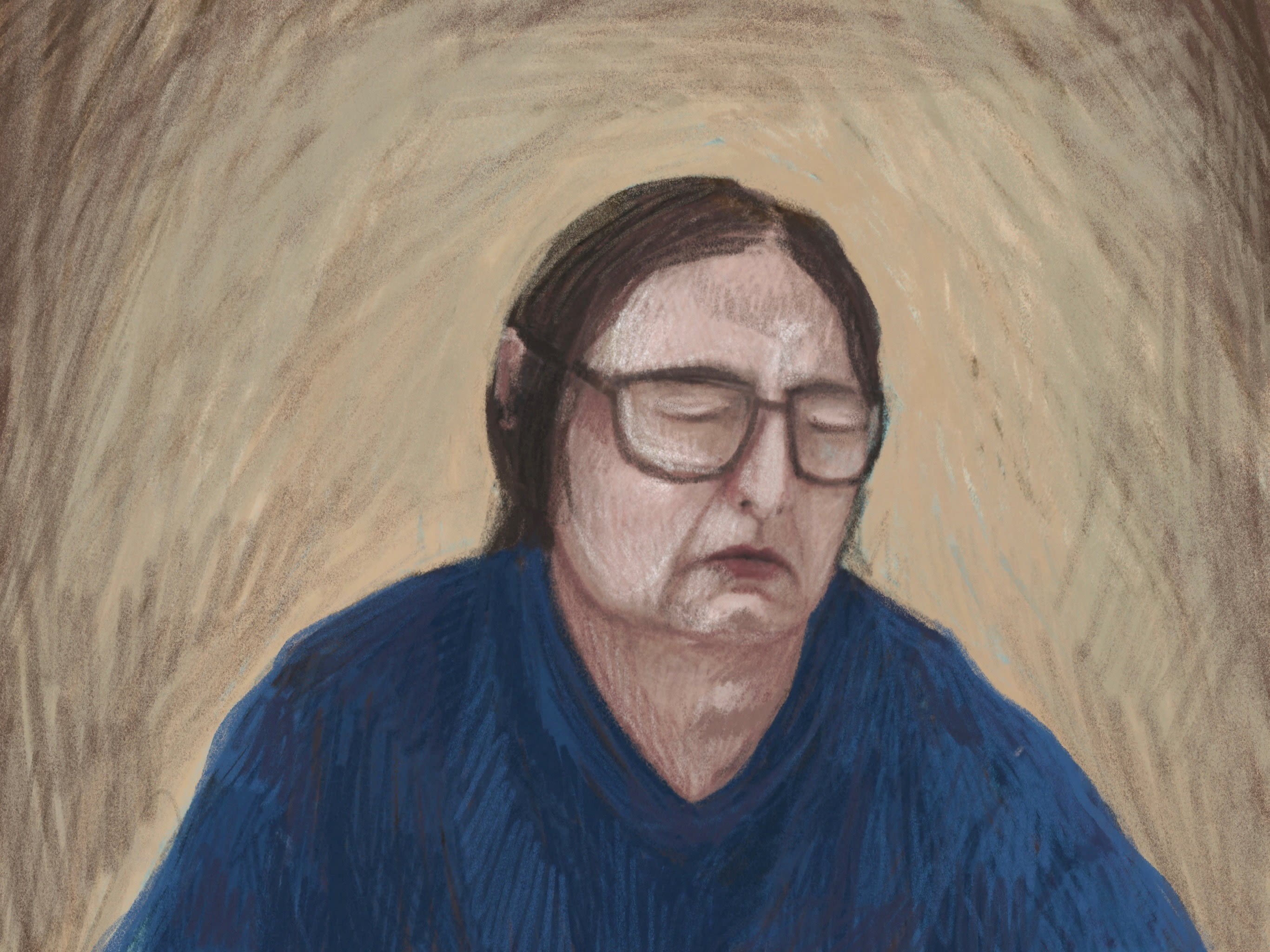
An attempt by murderer Erin Patterson, who killed three people with a meal of toxic mushrooms, to overturn her conviction has failed, with an appeals court finding that her original sentence was too light for her “cold and calculated” crimes. Patterson, now 52, was found guilty last July after a jury trial that attracted international attention due to the unusual method of murder – death cap mushrooms hidden inside portions of beef wellington at a family lunch in July 2023. The Australian mother was given three life sentences for the murder of three people, including her estranged husband’s parents, as well as 25 years for the attempted murder of a fourth guest, the local pastor, who recovered after weeks in hospital. She was sentenced to a non-parole period of 33 years, meaning she would have been in her 80s when freed. However, three appeals court judges instead found Friday that her crimes – which included an “elaborate series of deceptions” – were so “extraordinarily cold and calculated” that she deserved to be in prison for life. “In all the circumstances, after anxious consideration, we have concluded that the case involved such shocking criminality that it is inappropriate to fix a non-parole period,” said Justice Stephen McLeish. Patterson’s lawyers had presented seven grounds of appeal in the hope that the mother of two would be granted a retrial. On the first ground, they took issue with the way the jury members were sequestered, which they claimed was “catastrophic” to their case. During the trial, held in the small Victorian town of Morwell, jury members shared a hotel at various times with prosecutors and witnesses. While there was no evidence that the guests interacted, Patterson’s lawyers said the possibility of interactions “cannot be excluded.” However, the three appeals court judges found “there was no objective basis for a fair-minded person to reasonably apprehend that the jury might not have discharged its function of rendering a verdict according to law.” The judges also rejected suggestions that some evidence shouldn’t have been submitted, including cellphone data that put Patterson near the location of death cap mushrooms posted to a citizen scientist website. The judges found the evidence was admissible as part of the prosecution’s “wider circumstantial case.” This is a developing story. More to come.
Topics in this story
Gathered from external sources. Rights to this text belong to whoever originally published it.