In 2013, Delaware spread carbon pellets across a polluted lake bottom in a US-first cleanup; the toxic chemicals were trapped and a new wetland improved habitat
In a groundbreaking cleanup effort, Delaware utilized activated carbon pellets to treat contaminated sediment in Mirror Lake, achieving significant reductions in toxic pollutants and enhancing local wildlife habitats.
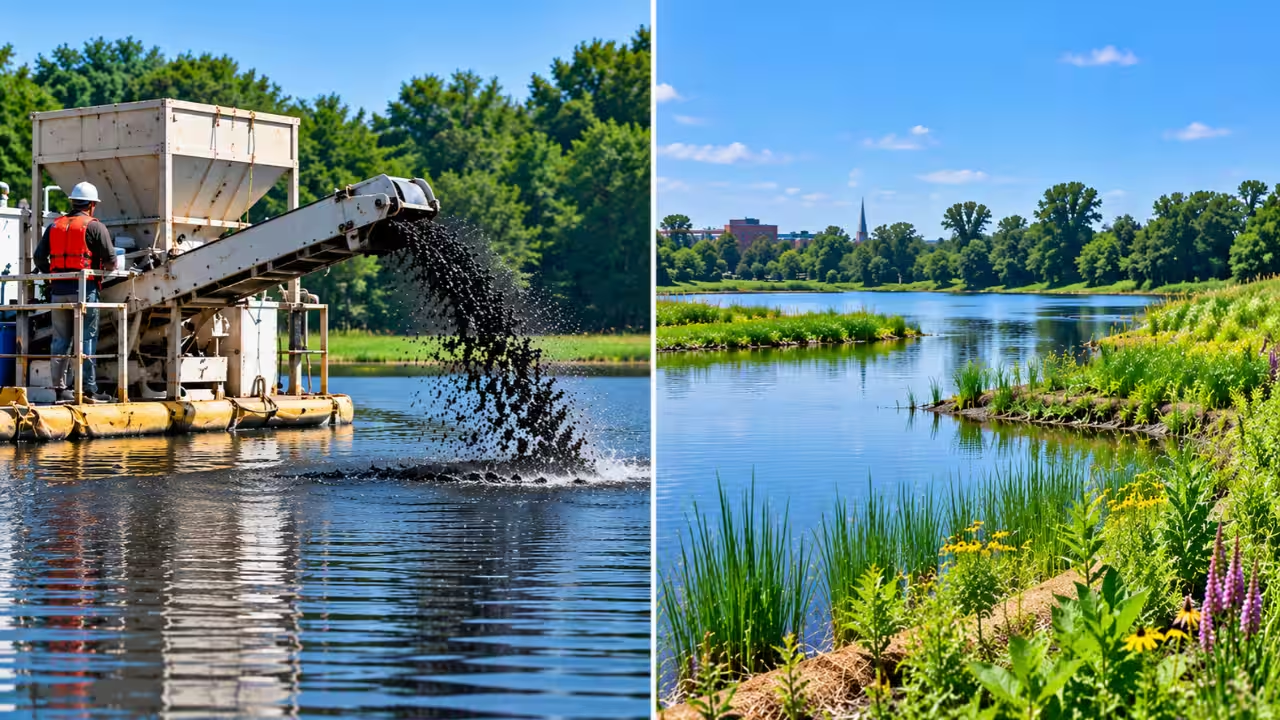
Nearly 80 tons of activated-carbon pellets were spread across the bottom of Mirror Lake in Dover, Delaware, in 2013, and state officials described it as the first full-scale application of the technology in the nation. The pellets were designed in such a way that they bind pollutants in contaminated sediment, which reduced the amount that was available to fish and other organisms.The project targeted a five-acre section of the upper St. Jones River watershed, since for decades, sediment at Mirror Lake had contained contaminants such as polychlorinated biphenyls, or PCBs, mercury and other pollutants. DNREC said those contaminants had contributed to concerns about fish consumption.The carbon stayed in the sedimentThe cleanup used a product called SediMite, which is a pelletized material that contains activated carbon. They were designed to sink through the water and break apart after reaching the sediment, and small organisms that lived in the lake bottom then helped incorporate the carbon into the biologically active sediment layer. Activated carbon works by adsorbing certain organic contaminants onto its surface, and at Mirror Lake, the treatment was carried out with the intention of increasing the sediment's ability so that they could hold pollutants such as PCBs.A 2020 paper in the Journal of Environmental Engineering described the project as the first full-scale remediation project in North America that directly placed activated carbon into lake sediments. The treatment covered a two-hectare lake and involved about 36 metric tons of activated carbon during a two-week application in November 2013.Monitoring found lower PCB exposureResearchers monitored sediment, porewater, surface water and fish after the treatment, and found reductions of 60% to 80% in freely dissolved PCBs in sediment porewater and surface water. Resident fish that were sampled three to five years after treatment had approximately 70% lower lipid-normalized PCB concentrations than before the cleanup. The monitoring period also gave researchers several years of data to assess whether the carbon treatment continued to affect contaminant exposure after the initial application.The researchers did not find the same change in every fish species, since two migratory species showed very limited reductions in PCB concentrations, which was attributed to their exposure outside Mirror Lake as they moved through the wider river system. The treatment was aimed at the contaminated sediment within the lake, not every potential source of PCBs in the watershed, which is why it is important to understand that distinction when assessing the results.A wetland was added beside the cleanupThe sediment treatment was combined with habitat restoration, where DNREC converted a sandbar into an intertidal wetland, added native plants and trees, and used coir logs to stabilize parts of the shoreline. The restoration gave the project a second objective that went beyond contaminant control, and DNREC said that the wetland increased the ecological function of the lake and helped improve conditions for fish and other wildlife. The agency also said that the combined cleanup and restoration made fish safer for people to eat.Monitoring data showed an approximately 80% reduction in PCB concentrations in sediment porewater and an approximately 70% reduction in resident fish by 2018, according to a summary published by Delaware officials of the peer-reviewed study. Mirror Lake became a field test for treating contaminated sediment without having to rely solely on conventional dredging, and DNREC later used an enhanced version of the approach at other contaminated sites in Delaware.You use AI every day. Now get your AI Quotient. Take the AIQ test.
Topics in this story
Gathered from external sources. Rights to this text belong to whoever originally published it.