In 1991, California’s Oakland fire left 1,272 pets affected; researchers found that ID collars made pets more than 10 times as likely to be reunited with their owners
The 1991 Oakland fire highlighted the importance of pet identification, revealing that animals with ID collars were significantly more likely to be reunited with their owners. Discover the lasting lessons from this disaster for pet owners today.
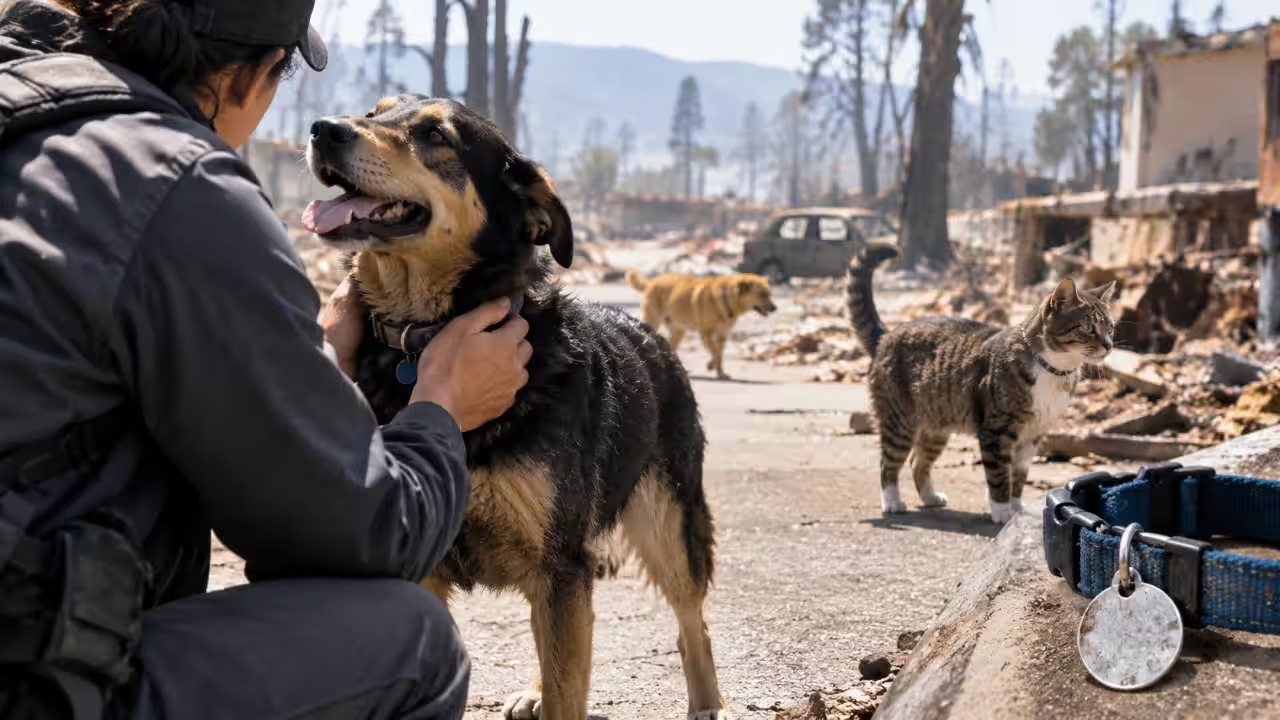
When a wildfire tears through a neighbourhood, people may have only minutes to get out. Pets may flee in panic, hide in unfamiliar places, or become separated from their owners during evacuations. Even after the flames are extinguished, finding these animals can take weeks or months. A fire that swept through Oakland, California, in October 1991 showed how a collar with an owner’s name and address could greatly improve a pet’s chances of getting home.According to a 1998 study published in the Journal of the American Veterinary Medical Association, the 1991 Oakland fire left many cats and dogs missing, abandoned or roaming without their owners. Researchers analysed records for 1,075 cats and 197 dogs affected by the fire. They found that pets wearing collars with their owners’ names and addresses were more than ten times as likely to be reunited with their families as pets without collars.A fire left hundreds of pets without their ownersThe fire erupted on 19 October 1991 and quickly spread in the Oakland-Berkeley hills. Most people were away from home when the fire struck, and road closures and evacuation restrictions made it hard for many to return and collect their pets. Some pets escaped, while others were left behind in the chaos. The study evaluated data collected by the Oakland Firestorm Pet Hotline between 1991 and 1995. The study sample included 1,075 cats and 197 dogs affected by the fire, for a total of 1,272 pets. The researchers also evaluated data from 221 cats and 128 dogs that were not affected by the disaster.The hotline did more than take phone calls; it also recorded reports of missing and found animals. Most of the animals found after the disaster were either stray pets or animals already living ferally in the area. Some animals remained missing, and the researchers assumed they had died in the disaster. It was therefore difficult to determine whether all the animals recorded as found had been separated from their families by the fire. Research states that the hotline activity peaked on the third and fourth days after the disaster, before calls declined and levelled off by the 21st day.The simple collar that made a remarkable differenceThe study produced several findings, but one stood out. Animals wearing collars with their owners’ names and addresses were more than ten times as likely to be reunited with their owners as animals without collars. The reason is straightforward. A pet may be found by a passerby or rescuer who can identify the owner only from the tag.Identification alone did not guarantee a reunion. The longer owners waited to search, the less likely they were to reunite with their pets. After the disaster, time mattered because animals could wander off or be adopted before owners found them. Nevertheless, the results sent a clear message to pet owners. Pets should be identified before a disaster, because there may be no time to do it afterwards. A collar with current contact information can help a finder reach the owner quickly.Why the lesson still mattersThe Oakland fire highlighted the difficulties of reuniting animals with their owners during an emergency. Some animals were adopted by the people who found them, particularly those discovered near the fire zone. The incident also underlined the importance of pet identification, both in everyday life and during disasters.Collars and tags can help rescuers identify a pet quickly, although they may become lost or detached. Microchips provide an additional means of identification, provided the animal is scanned and the registered contact details are up to date. Using both visible identification and a registered microchip therefore offers a more reliable way to reconnect lost pets with their owners.As the Oakland study drew on records from a single disaster, its findings should not be assumed to apply equally to every fire or evacuation. Nevertheless, the practical lesson remains relevant: clear, accessible identification can improve the chances of reuniting lost animals with their families, particularly when an emergency separates them.You use AI every day. Now get your AI Quotient. Take the AIQ test.
Topics in this story
Gathered from external sources. Rights to this text belong to whoever originally published it.