After working on an auto assembly line, Berry Gordy borrowed $800 from his family’s co-op in 1959 to start a record business; it grew into Motown, a force in American music
Discover the inspiring story of Berry Gordy, who transformed an $800 loan into Motown Records, shaping the landscape of American music with iconic artists like Marvin Gaye and Diana Ross.
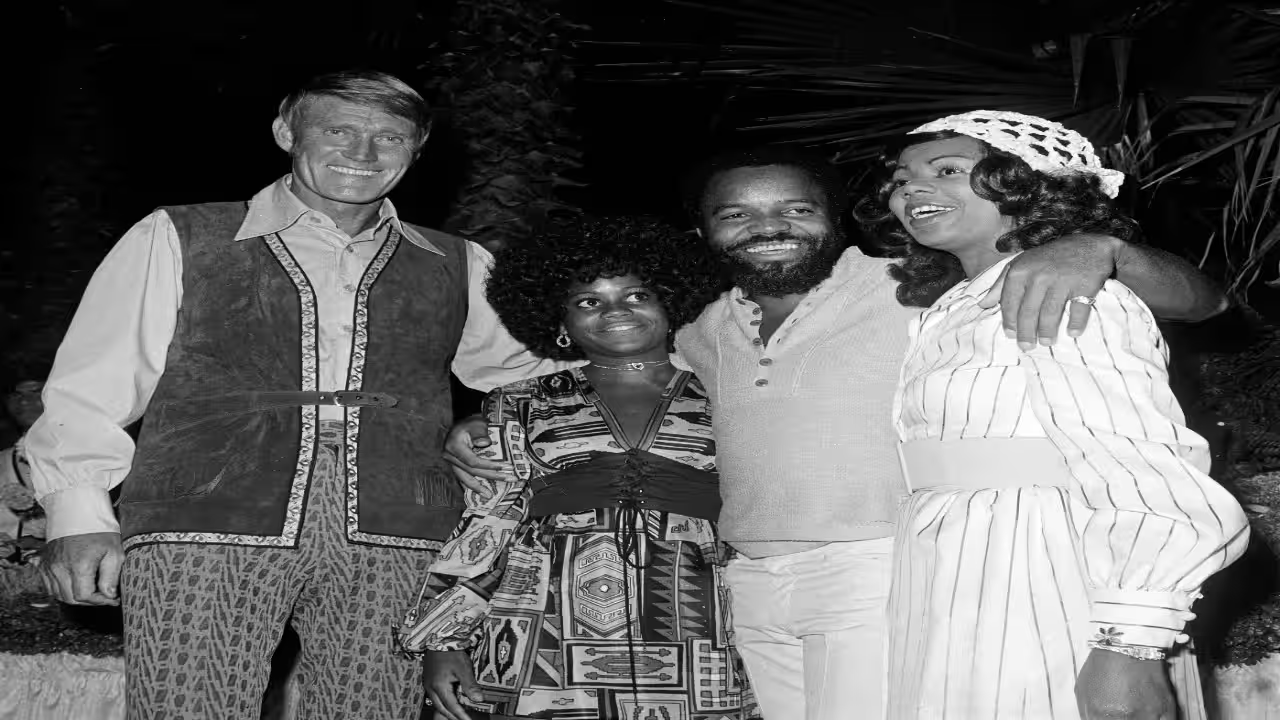
Many could easily hum their favourite songs by Marvin Gaye, Stevie Wonder and The Temptations. Yet few would recognise the man behind the label that made them quintessential to American music. Berry Gordy was a trailblazer with hustle. According to the National Portrait Gallery, before he founded a cornerstone of the music industry, Gordy worked in a boxing ring, ran a record shop, and fitted upholstery on a car assembly line.In 1959, he borrowed $800 from his family co-operative and started a record business in Detroit. Gordy was born in 1929, the seventh of eight children of Berry Gordy Sr. and Bertha Fuller Gordy. He left school in the 11th grade and tried his shot at the life of a pugilist before he settled on songwriting. Military service interrupted his work: he was drafted in 1951 and served in the Korean War. Once he returned, he opened a jazz records shop, which unfortunately closed down not long after. He then took a job at a Lincoln-Mercury plant and concurrently wrote songs.From a Detroit flat to a hit-making record labelGordy bought the property at 2648 West Grand Boulevard and moved his wife and young son into the upper flat. The record label operated from the ground floor. Studio A was converted from a rear photography studio and became a recording space. Gordy named the building Hitsville U.S.A.According to Motown Museum, the record company was incorporated in April 1960. In 1959, Barrett Strong released “Money (That’s What I Want), for which Gordy, alongside Janie Bradford, was credited as a songwriter. The Miracles later released “Shop Around”, written by Smokey Robinson. It reached number one on the national R&B chart and number two on the Billboard pop chart. Gordy also wrote or co-wrote other songs by Jackie Wilson, including “Reet Petite”, “Lonely Teardrops” and “To Be Loved”.Besides his flair for songwriting, Gordy also had an eye for talent, and his early discoveries included the Matadors, who became the Miracles, Mary Wells, the Marvelettes, and the Primes and Primettes, later named the Temptations and the Supremes. The National Portrait Gallery also lists the Four Tops, Martha Reeves and the Vandellas, Marvin Gaye, Tammi Terrell and the Jackson 5 among the artists he brought to the mainstream. Gordy actively participated in preparing them for public appearances. Motown’s artist-development staff worked with singers on posture, speech and conduct. Coordinated clothing and choreography gave groups a consistent stage presentation. Gordy also famously changed some performers’ names, including Little Stevie Wonder, born Stevland Hardway Morris.In one account, recorded by the National Portrait Gallery, he once called the Miracles to the studio at 3 am to record “Shop Around” again. He wanted artists to gauge songs by themselves by imagining a situation where they would either spend a dollar on a record or a hot dog. The question put the commercial test plainly: would this song be a hit?Hollywood lights and a bittersweet endingBy the late 1960s, Gordy had set his sights on newer landscapes: towards Los Angeles and the film and television industries. He moved Motown from Detroit to Los Angeles in 1972. As per the National Portrait Gallery, the move was followed by the departure of acts including the Jackson 5 and the Temptations.Subsequently, Gordy began producing films. Billy Dee Williams starred opposite Diana Ross in “Lady Sings the Blues” and “Mahogany”. Diana Ross and Michael Jackson later appeared in “The Wiz”, the screen version of the Broadway musical. The projects brought Motown artists into the spotlight of cinema, while Gordy produced the movies.Around the middle of the 1980s, Motown Industries was losing money, according to the National Portrait Gallery. Consequently, Gordy sold Motown to MCA in 1988. The same year he entered the Rock and Roll Hall of Fame. The Motown Museum noted he had earlier moved from the company’s leading role to board chairman, and gave younger executives the opportunity to run it. The sale ended his ownership of the record label he started.You use AI every day. Now get your AI Quotient. Take the AIQ test.
Topics in this story
Gathered from external sources. Rights to this text belong to whoever originally published it.