Groundskeepers digging beneath a golf course in England discover a forgotten wine cellar with dozens of bottles, possibly linked to a manor demolished in 1888
A routine inspection of a golf course in Greater Manchester took an unexpected turn when a patch of ground gave way, exposing a brick-built cellar hidden
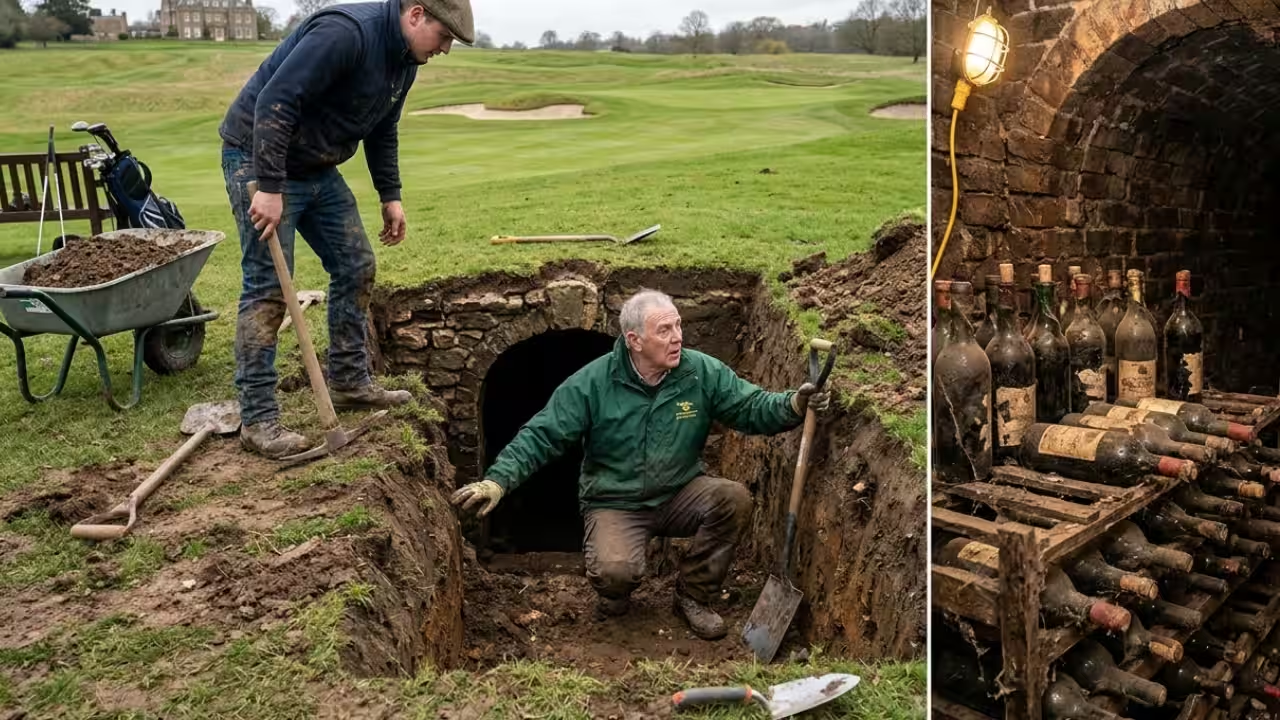
A routine inspection of a golf course in Greater Manchester took an unexpected turn when a patch of ground gave way, exposing a brick-built cellar hidden beneath the fairway. The opening appeared to be the sort of problem groundskeepers encounter from time to time, possibly caused by a damaged drain. As reported by the BBC, a closer look revealed something rather different. Beneath the 13th hole at Davyhulme Park Golf Club lay dozens of old glass bottles, some still coated in mud, inside a structure believed to have remained sealed for more than a century. The discovery has also revived questions about the site's connection to Davyhulme Hall, a manor house demolished in 1888.Sinkhole at Davyhulme Park Golf Club reveals a forgotten wine cellarThe cellar came to light during a morning inspection by Steve Hopkins, deputy head greenkeeper at Davyhulme Park Golf Club. When he noticed the sinkhole, his first thought was that a drain beneath the course had failed. Such holes can develop when underground drainage systems collapse, leaving the soil above unsupported.Hopkins discussed the problem with the head greenkeeper before they began excavating with a small digger. As the earth was removed, the space below the surface proved much larger than expected. Rather than finding a damaged pipe that could be cleared or repaired, the team encountered a brick structure extending into the ground.Hopkins climbed inside with a torch and began looking around. There, scattered through the confined space, were dozens of empty glass wine bottles of different shapes and sizes. The find was reported by the BBC on 2 March 2026.Hidden wine cellar beneath golf course may date back to Davyhulme HallThe location has given the find a particular significance for the golf club. The section of the course where the sinkhole appeared is already known as The Cellars, a name that takes on a different meaning in light of the newly exposed structure.Hopkins also suggested that the space may once have served as a tradesmen's entrance associated with Davyhulme Hall. The cellar contains a blocked doorway at one end, which has raised the possibility that it once connected with a larger arrangement of underground rooms or passageways.The doorway has not been confirmed as an entrance to any further structure, and the full extent of the cellar is unclear. Until more work is carried out, it is difficult to establish whether the exposed room was an isolated storage space or part of a more extensive building beneath the grounds.For now, the bottles and the brickwork offer physical evidence of an earlier use of the land. They also provide a possible link between the golf course and the manor house that once occupied the site.Davyhulme Hall stood on the estate for centuriesAccording to Trafford Council, Davyhulme Hall was built by the Hulme family in the 12th century. The property remained part of the area's history long before the surrounding land became a golf course, although the precise relationship between the newly discovered cellar and the original house has yet to be confirmed.The estate later passed to Robert Henry Norreys, who is believed to have established the golf club on the grounds in 1844. Norreys died in 1887, leaving the hall to his nephew, J. B. N. Entwisle of Rochdale. Attempts to sell the property were unsuccessful, and the building was demolished the following year, in 1888.Some of the former estate eventually became part of the golf club's land. The club bought a portion of it in 1923, decades after the hall had disappeared. The cellar's position beneath the modern course has therefore prompted the suggestion that it may have belonged to the former manor house or its associated buildings.What happens to the underground room nextThe discovery has attracted interest among club members, with discussions expected over how the site should be handled. Some have suggested making the cellar a feature of the course, allowing visitors to see a surviving piece of its history rather than simply repairing the ground and covering the opening again.Hopkins acknowledged that the structure could add to the club's appeal, given its possible connection to the estate. Any decision, though, rests with the club, and no final plan for the cellar was reported at the time of the BBC's account.You use AI every day. Now get your AI Quotient. Take the AIQ test.
Topics in this story
Gathered from external sources. Rights to this text belong to whoever originally published it.