In 2007, a New York family’s $3 garage-sale bowl became a $2.2M fortune after experts uncovered its 1,000-year-old identity in 2013
US News: In 2013, a family's $3 garage-sale find turned out to be a rare 1,000-year-old Chinese Ding bowl that sold for $2.2 million at Sotheby's auction, revealing the astonishing journey from an ordinary living room to global art fame.
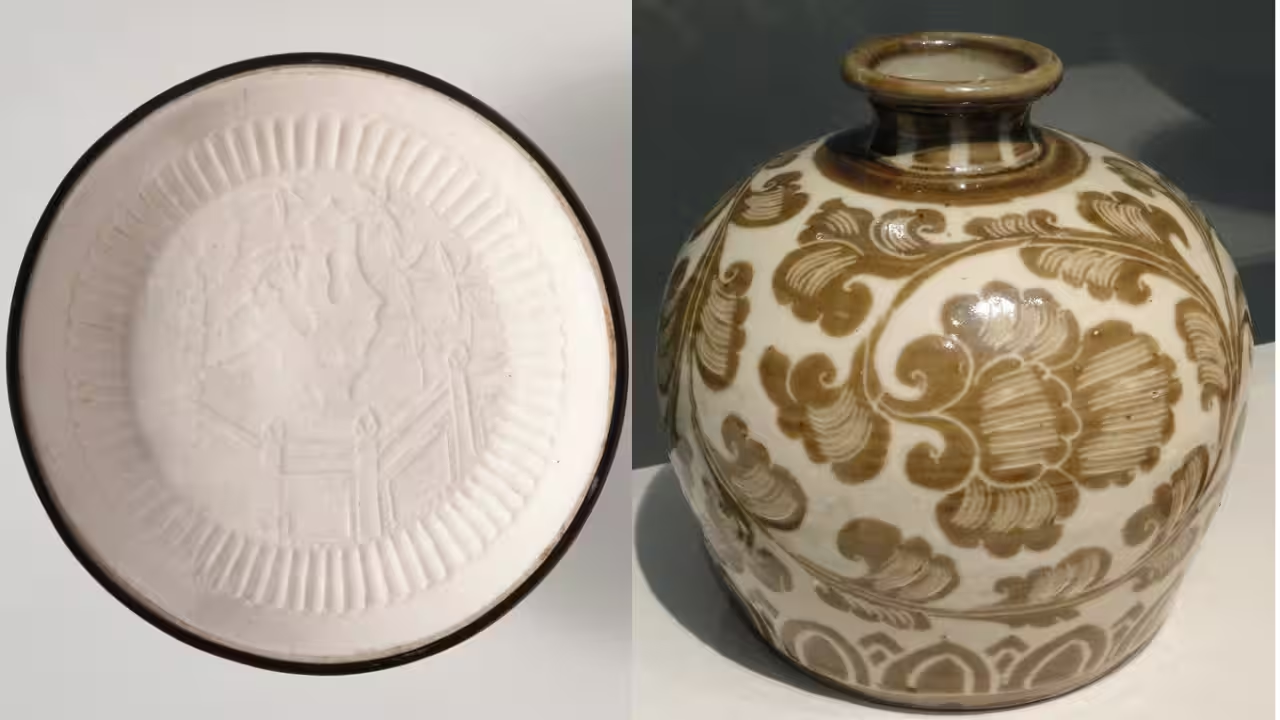
A small white bowl was bought for $3 at a New York state garage sale in 2007, and sat in a family's living room for years. In 2013, experts identified it as a rare Chinese Ding bowl from the Northern Song dynasty. Sotheby's estimated it at $200,000 to $300,000, and at auction, a London dealer paid $2.225 million including commission. It came from a garage or tag sale where the buyers paid no more than $3. They took it home and kept it on display, and were apparently unaware that the plain-looking bowl dated to a period roughly 1,000 years earlier.Experts examined the object and identified the ceramic as Ding ware, a type of Chinese porcelain that is associated with the Northern Song dynasty, which ruled from 960 to 1127. A contemporary report by the Los Angeles Times said the bowl was about five inches across and had an ivory-colored glaze with carved decoration. Sotheby's had placed a pre-sale estimate of $200,000 to $300,000 on it.A bowl from the Northern Song dynastyDing ware was known for its thinly potted bodies and pale glaze, and the bowl found in New York belonged to a recognized ceramic tradition whose surviving examples are held by major museums and collectors. The Metropolitan Museum of Art's collection includes Northern Song Ding ware dating to the 11th and 12th centuries. The museum describes its own example as porcelain with an incised design beneath an ivory-white glaze and identifies it as Ding ware from China. The Met also makes images of many of its collection objects available for unrestricted commercial and noncommercial use through its Open Access program.That context helps explain why specialists valued the garage-sale bowl so highly, as its age was only part of the story. The form, decoration, material and glaze placed it within a closely studied category of Chinese ceramics. Contemporary accounts said Sotheby's knew of only one other bowl with the same form, size and almost identical decoration, and that example was in the British Museum in London. The auction house's estimate already reflected the object's rarity, but the eventual sale price went far beyond it.The auction changed the value of a $3 purchaseOn March 19, 2013, the bowl went under the hammer in New York as part of a Sotheby's sale of Chinese ceramics and works of art, with the successful bidder being Giuseppe Eskenazi, a London dealer and specialist in Chinese art. The final price was $2.225 million including commission, according to contemporary reports. The sale price was more than seven times Sotheby's high estimate and hundreds of thousands of times what the family had paid for it at the garage sale.Reuters' account, republished by the Bangor Daily News, said the unnamed New York family had bought the Ding bowl for no more than $3 in 2007 and displayed it on a mantelpiece without knowing its value, and after experts examined it, the family consigned it for auction.The bowl measured just over five inches across, yet its combination of age, workmanship, rarity and documented similarities to a museum-held example put it in a completely different category from the ordinary household objects surrounding it at the garage sale.The sellers remained anonymous, as did the circumstances that had brought a Northern Song ceramic into a New York garage sale in the first place. The object had been worth $3 when they found it in 2007 for the buyers, and six years later, after expert examination established its identity and provenance, it sold at auction for $2.225 million.Catch the latest World News and Live updates. Download the TOI app.
Topics in this story
Gathered from external sources. Rights to this text belong to whoever originally published it.