In 1997, Texas researchers mixed waste printer toner into asphalt; a 10% dose raised the binder grade from PG64-28 to PG70-22 and increased mix strength and stability
In a groundbreaking 1997 study, researchers at the University of Texas at Austin revealed that adding waste printer toner to asphalt significantly improves its strength and stability, raising its binder grade and promising better performance on the roads.
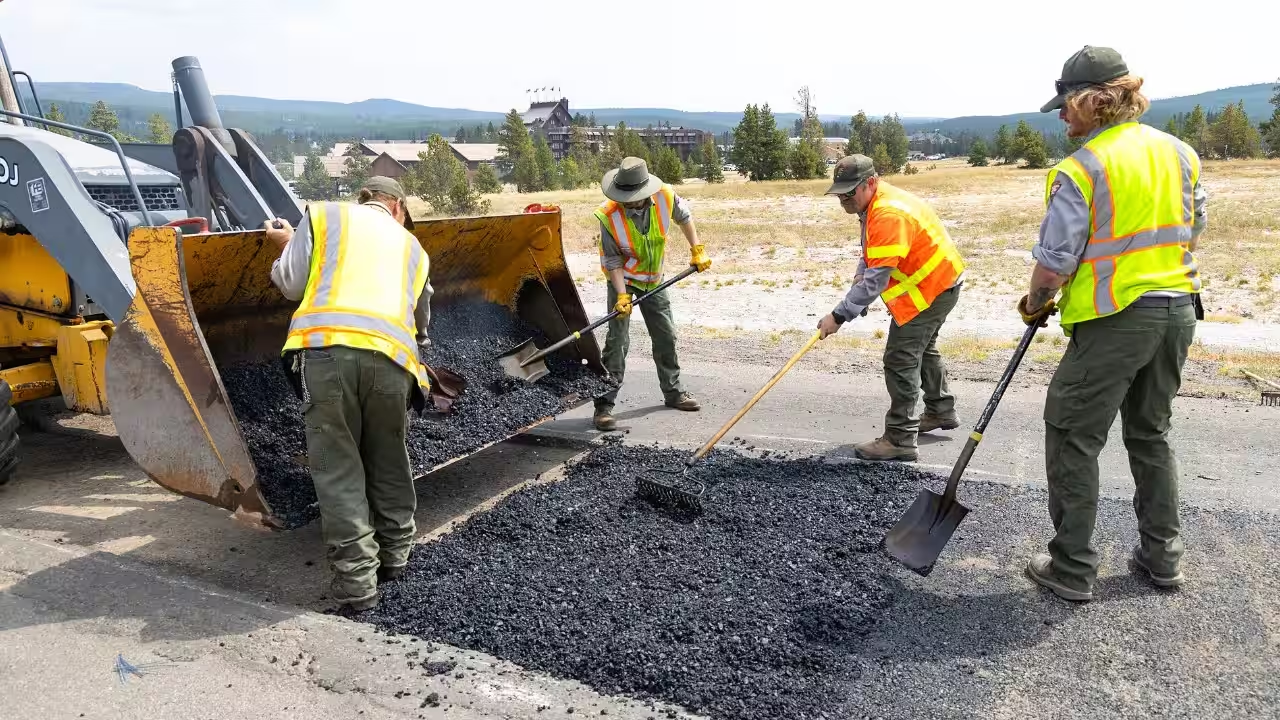
In February 1997, researchers at the University of Texas at Austin’s Centre of Transportation Research reported that waste printer toner could be blended into asphalt and make it stiffer and stronger. A 10% dose of toner raised an asphalt binder from PG64-28 to PG70-22; in their tests and mixes made with the modified binder showed higher strength and stability than unmodified ones. The work came out of a cooperative project between the Texas Department of Transportation and the University and its final report is titled Use of Waste Toner in Asphaltic Concrete; Mansour Solaimanian, Thomas W. Kennedy and R.B. McGennis are its authors.Toner went into the binder, not the finished mix Toner’s two primary components are styrene-acrylic copolymer and carbon black, and a TxDOT patent, U.S. Patent 6,113,681, titled Toner-modified asphalt compositions, said both are known to help asphalt. The patent covered compositions with up to 20% toner. It also explained why the order of mixing mattered: toner added after the asphalt and aggregate had been combined tended to act as a filler instead of a modifier. The patent’s preferred method was dry blending the toner into asphalt at least 10°C above the toner’s melting point, which it said was typically about 100 to 150°C depending on the type of toner and it reported the best results when the blending temperature stayed above about 165°C.A 10% dose moved the grade from PG64-28 to PG70-22TxDOT’s summary of the 1997 report says an AC-20 asphalt cement, graded PG64-28 under the Superpave system, grades as PG70-22 with 10% waste toner. The study found that stiffness and viscosity rise as more toner goes into the blend and the increase shows up at high, intermediate and low temperatures. A 1998 paper in the Transportation Research Record, which reported the same research, noted that unused and spent toner was otherwise dumped in landfills. It also carried a caution: the modified binder suited places where rutting was the main worry and where somewhat stiffer behaviour in the cold was not a cracking concern. In North and Central Texas, a PG64-22 binder was expected to perform satisfactorily at 98% reliability and the toner-modified AC-20 met that standard for those regions.Mixes with toner tested stronger and more stableThe researchers put the modified binders into asphalt and aggregate mixtures and measured Hveem stability, resilient modulus and indirect tensile strength. They also ran a Superpave mix design at three toner levels: 0%, 5% and 16% by mass of the binder and toner blend. The mixture analysis showed higher strength and stability for toner-modified asphalt concrete than for unmodified mixtures. Asphalt Magazine’s 2012 review adds that Solaimanian reported the optimum binder content in a Superpave mix design was not affected at a 10% toner level. The report itself ran its mix design at 0%, 5% and 16% and found that toner in the 5% to 16% range did not significantly change the optimum binder content.A Waco highway took 5,000 tons of toner-modified mixThe same year, TxDOT and the Center for Transportation Research completed a field trial in Waco, Texas. Asphalt Magazine reports that 5000 tons of toner-modified hot mix paved two km of a six-lane highway and the road was in excellent condition after about two years, Lora Robosky wrote in Asphalt Magazine’s July 2012 article “Printer and copier toner in asphalt still has jams to consider.” The patent followed in September 2000, according to the same magazine and later test sections went down in the Houston, Laredo and Pharr districts. A 2004 report from the same research centre, Design of Toner Modification for the Houston, Laredo, Pharr and Bryan Demonstration Project, covers the binder design for each site, including blending time, performance grading, storage stability and mixing and companion temperatures.The performance grades of the toner-modified binders varied with the amount of polymer in each toner. The 2004 report by Yetkin Yildirim, Thomas W. Kennedy and Jorge Prozzi found that two hours of blending was enough to get a uniform toner-asphalt mix, but it expected significant storage stability problems regardless of the toner level in the blend. As mentioned in the above study of 1997, stiffness rose with every increase in toner, so the polymer content of each toner mattered for the grade a binder reached. According to TxDOT, additional projects had not been completed, mainly because of the cost of waste toner, the magazine reported.You use AI every day. Now get your AI Quotient. Take the AIQ test.
Topics in this story
Gathered from external sources. Rights to this text belong to whoever originally published it.