In 2014, Verona removed its bronze Juliet statue after years of touching for luck in love; repeated handling left cracks and wear that made it unfit for display
Rest of World News: The iconic bronze Juliet statue in Verona, renowned for bringing love luck to touch, has been removed due to excessive wear and tear; explore the tale of its replacement and preservation.
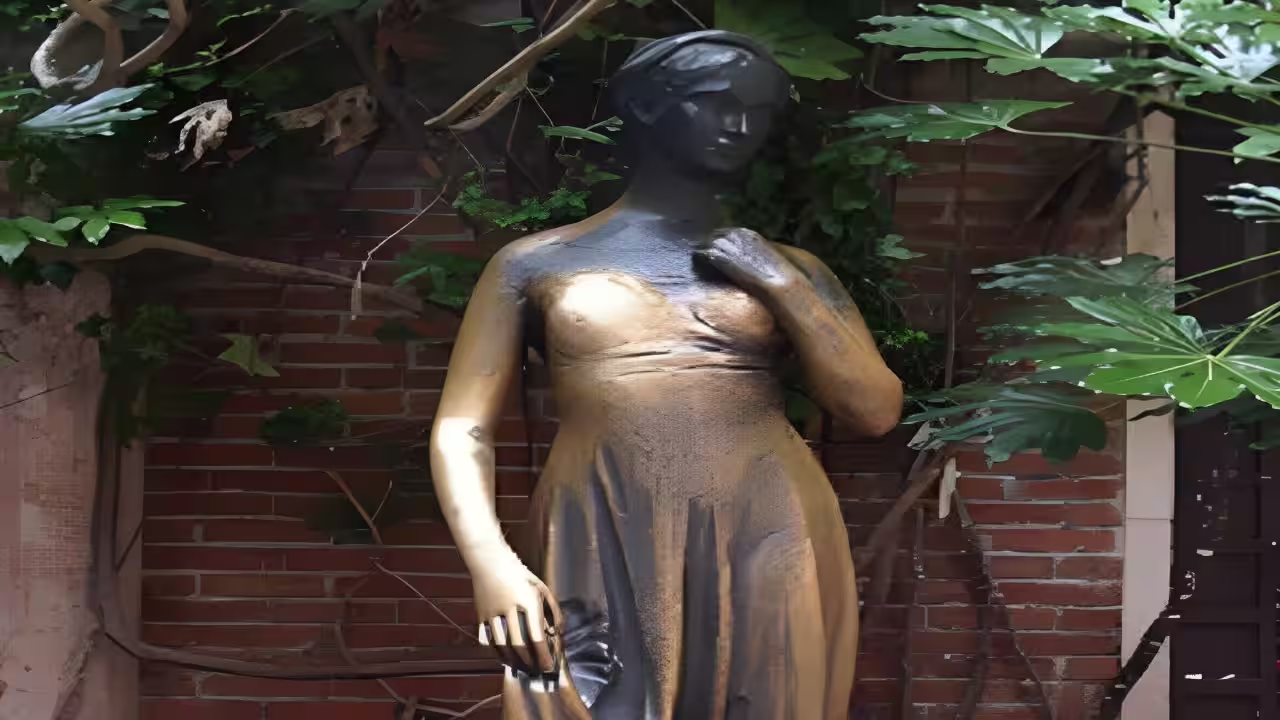
For more than 40 years, people visiting Casa di Giulietta in Verona used to line up in the courtyard to touch the bronze statue of Juliet's right breast, a gesture believed to bring good fortune in matters of love. In 2014, city authorities decided to remove the statue from the site because its structure had deteriorated, making it unfit to display in public. The statue was installed in the courtyard in 1972. It was created by Veronese sculptor Nereo Costantini in 1969 and donated by the Verona Lions Club, according to Verona's official tourism pages.Millions of tourists visit the same small spot of bronzeCasa di Giulietta's courtyard is one of the most visited spots in Verona, according to Verona's tourism office, and visitors often deliberately touch the same point on the statue, believed to bring luck in love. This kind of wear differs from ordinary weathering, since natural exposure affects a bronze surface evenly, while repeated touching erodes one small area far faster than the rest. By 2013, city officials confirmed the statue had sustained significant wear on its right side, arm, and breast, where a crack had also formed beneath the surface. Assessments concluded the damage was too extensive for the statue to safely remain in the courtyard for continued public handling, so officials opted to cast a new statue rather than attempt a repair.Building a replica from a silicone mold of the originalThe replacement sculpture was installed in the courtyard toward the end of June 2014. The project had a budget of approximately €15,000, supplied by the Italian insurance company Società Cattolica di Assicurazione. The new statue was cast at the Fonderia Brustolin foundry under the direction of Rodolfo Camatta, using a silicone mold taken from the original bronze. According to Verona's museum authority, sculptor Novello Finotti, a former student of Costantini, returned to serve as a consultant on the casting.Rather than scrapping the damaged original, city authorities moved it indoors to the Casa di Giulietta complex, where it remains on display, protected from further handling. Visitors can still view the worn breast and cracked arm up close, though only through the museum's glass display case, not by direct contact. The custom of touching the statue's right breast for luck in love has no documented origin tied to a specific person, historical figure, or organization. It appears to have developed organically among visitors sometime after the statue's installation in 1972.What Verona learned from the replacementAs PBS NewsHour reported around the time of the statue's removal, Giulio Tamassia of the Juliet Club had warned for years about the sculpture's deterioration. City officials made no design changes in 2014 to protect the new sculpture from the same kind of wear, since the statue's appeal depends on direct public contact rather than distant viewing. Verona has not proposed installing a barrier or discouraging the touching tradition, suggesting the city has accepted periodic replacement as the practical cost of preserving a custom that has become part of the site's identity.Catch the latest World News and Live updates. Download the TOI app.
Topics in this story
Gathered from external sources. Rights to this text belong to whoever originally published it.