In 2023, Australia installed 13 sculptures beneath Busselton Jetty to add marine habitat; divers reported nearly 20 species using them within weeks
Discover how Australia’s innovative underwater sculptures have transformed Busselton Jetty into a vibrant marine habitat, attracting nearly 20 species in just weeks.
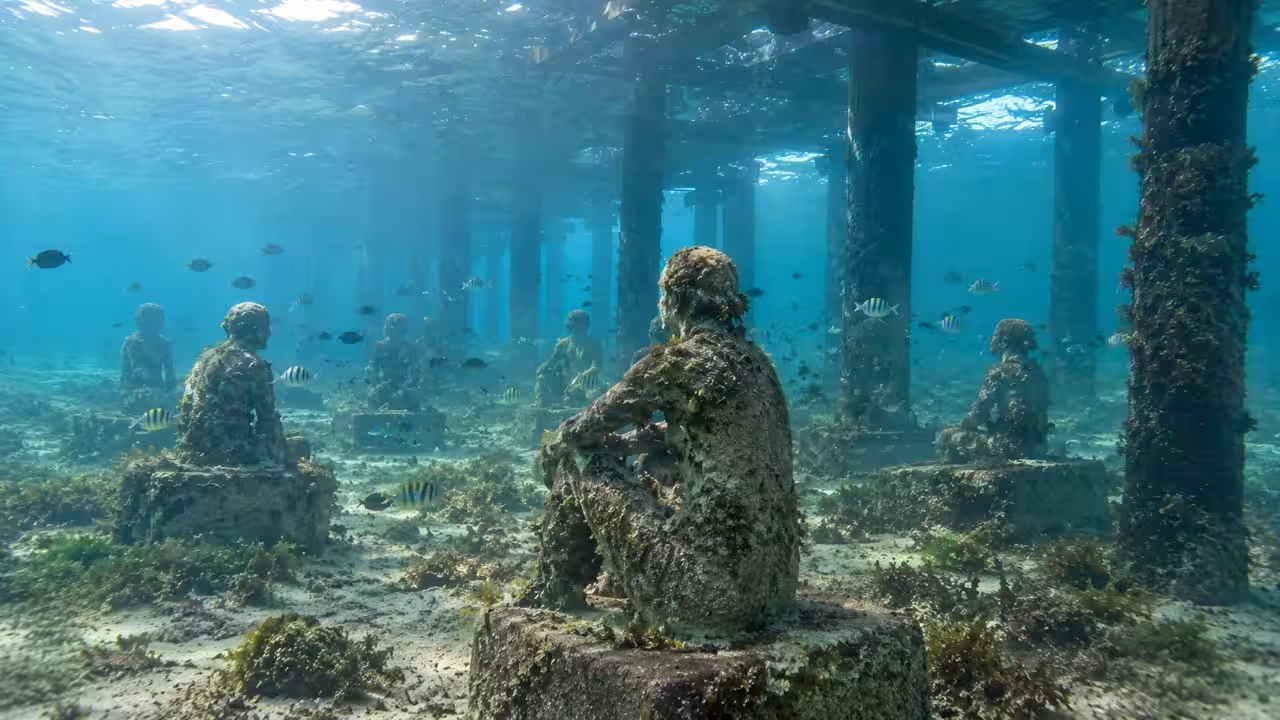
In 2023, a curious piece of art was created beneath the waters off Western Australia for a very different reason. 13 sculptures below the Busselton Jetty were attracting marine life within hours of being installed. Within weeks, divers reported that 20 species of animals moved in and were using the structure as a kind of home. However, at the end of the day, the artists creating them weren’t simply installing a public art project, but a piece of marine habitat creation.Thirteen sculptures transform the seabed into an artificial reefAccording to information from the Busselton Jetty, on Western Australia's south-west coast, it juts out into Geographe Bay and is the longest timber-piled jetty in the Southern Hemisphere. A colourful variety of marine creatures now inhabit what is today its wooden and steel piles. In 2023, the jetty’s environmental team amplified the miniature oceans by installing 13 sculptures made by artists from Western Australia. The sculptures included about 10 bronze mermaids, ceramic people and a 10 m-long steel whale, along with ceramic sculptures that each weighed about a tonne.The structures were placed beneath the sea near the end of the jetty, where they could serve as additional surfaces for marine organisms to colonise. Their location was particularly relevant because much of Geographe Bay's seabed consists of seagrass meadows, making suitable hard surfaces comparatively limited. According to the Busselton Jetty's environmental information, the existing reef beneath the structure supports more than 300 marine species. The sculptures were designed to extend this habitat by introducing additional solid surfaces and spaces into the surrounding marine environment.Marine creatures began exploring the artworks within hoursMarine life was drawn to the artwork soon after it was installed in the water. An ABC News story published on July 12, 2023, said a large school of skipjack tuna was recorded just hours after the first artwork went into the water and preferred one ship sculpture in particular over the following week. The Marine visitors became more diverse as further sculptures went into the water, with nearly 20 different species using the sculpture as habitat. Jetty environment manager Sophie Teede said.The ceramic work Postmaster General demonstrated the potential impact of design choices. Artist Georgia Zoric's 3 m-tall sculpture was built around stone water bottles with openings at its base, designed to offer refuge to octopuses, cuttlefish, eels and small fish. The swift response from marine life revealed the potential for underwater structures to provide new spaces for exploration and occupancy.A growing reef brings opportunities and ecological questionsThe project provided a pathway to linking marine conservation and engagement. Over time, the sculptures would have been colonised by marine life, with algae and other organisms growing on the surface and in crevices. Some areas would have formed hiding places for animals and would have ultimately become part of the oceanic environment. Visitors would have viewed these sculpture elements with the added richness of experience of the natural environment.The ecological benefits of artificial reefs rely on more than the quantity of fish they attract; the structural intricacy, location and ultimate impact on the neighbouring environment all contribute to the performance of these reefs. A 2024 study in Nature Sustainability reviews 109 studies and points to potential ecological benefits of artificial marine structures, varying by habitat type, species and structure. Ensuring the structures are not just for tourist attraction, the jetty’s environmental team will continue to keep an eye on how the structures evolve and form new habitats. While initial popularity and attraction to marine life progress, the long-term ecological impact remains.You use AI every day. Now get your AI Quotient. Take the AIQ test.
Topics in this story
Gathered from external sources. Rights to this text belong to whoever originally published it.