A disused railway tunnel in West Sussex became a winter refuge for rare bats, including a species declared extinct in the UK in 1992
A disused railway tunnel in West Sussex has become a vital winter refuge for rare bats, including the greater mouse-eared bat, which was declared extinct
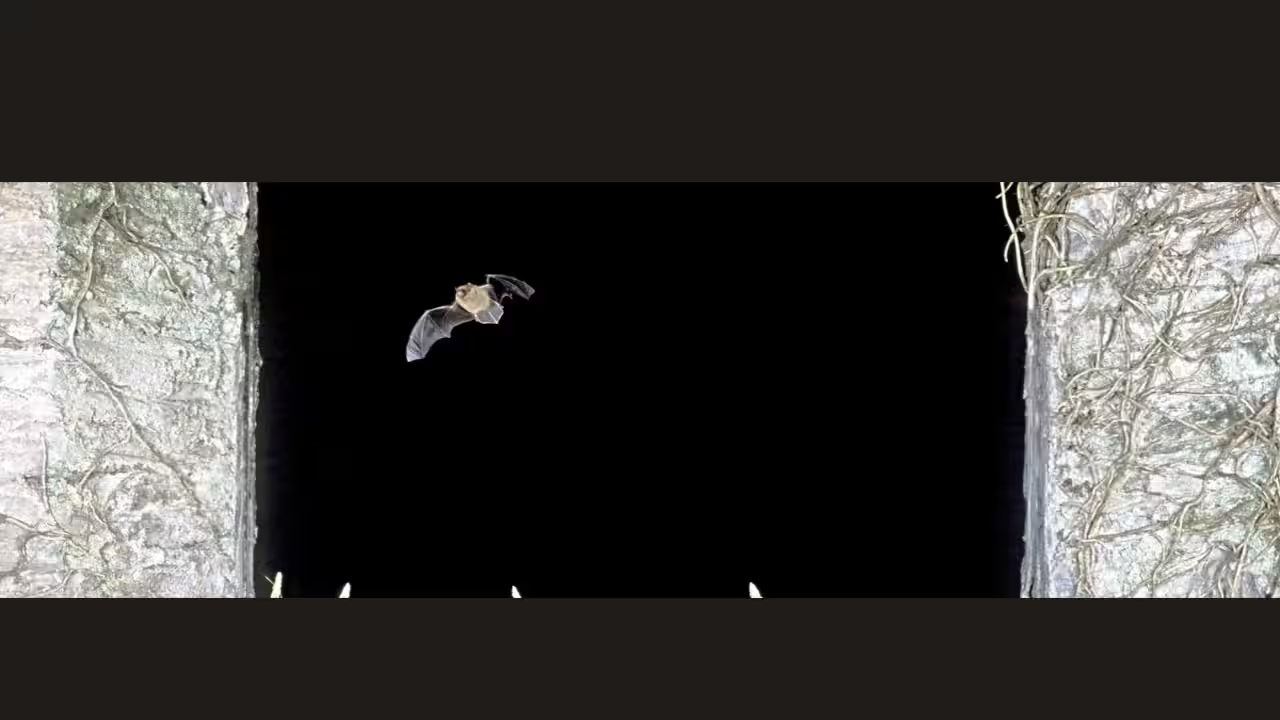
A disused railway tunnel in West Sussex has become a vital winter refuge for rare bats, including the greater mouse-eared bat, which was declared extinct in the UK in 1992. In January 2023, a second bat of this species was discovered hibernating in the same network of tunnels, following the discovery of a lone male there in 2002. According to the National Trust, the tunnel provides an important hibernation site for rare bat species. The discovery highlighted the importance of regular monitoring and safeguarding underground habitats, which offer cool, sheltered and relatively humid conditions for bats during winter.Why is a disused railway tunnel in West Sussex protecting rare batsThe National Trust identifies the disused railway tunnel on one of its West Sussex estates as a vital bat hibernation site containing some rare species. Its guidance on bat conservation explains that underground structures, including cellars, mines, ice-houses and tunnels, provide “sheltered, cool, relatively humid microclimates for hibernating”. These conditions make such places important habitats for bats during the winter months.The tunnel's importance reflects the wider role that existing structures can play in wildlife conservation. Bats use a variety of natural and man-made locations for shelter, including caves, tree cavities, buildings and underground spaces. The National Trust notes that structures such as bridges, houses, churches and barns can also provide suitable roosting places. Protecting these habitats helps maintain places where bats can rest, hibernate and, depending on the site, establish roosts.Why is protecting bat hibernation sites importantThe discovery in West Sussex underlined the need to safeguard the underground site rather than overlook its ecological value. Sheila Wright, a spokesperson for the Sussex Bat Group, said the finding demonstrated the importance of regular monitoring, adding that conservationists could otherwise have missed the discovery of the second greater mouse-eared bat in Britain. She also stressed the importance of protecting the locations used by bats during hibernation.The National Trust's conservation guidance similarly identifies the protection of roosting sites as an important part of its work. The organisation explains that bats face threats associated with the loss of roosts, feeding habitats and, in some cases, direct persecution. Its work includes monitoring bat populations and working with conservation partners, including the Bat Conservation Trust, to assess the condition of habitats on National Trust land. The West Sussex tunnel is one example of an existing underground structure that has value beyond its original transport purpose.Why was the rare bat discovered in SussexThe discovery of the second greater mouse-eared bat raised questions about whether the species might be returning to Britain. According to the BBC, the newly discovered bat was believed to be a vagrant that had crossed the English Channel from France, where an established population exists, before settling in Britain. However, the discovery did not establish whether a breeding population was present in Sussex.Dr Stephanie Murphy of the Sussex Bat Group raised the possibility that a small population might already be recolonising the area without having been detected. She also questioned whether climate change and the UK's increasingly hot summers could be contributing to greater mouse-eared bats moving from mainland Europe. Continued monitoring would help conservationists investigate these possibilities and understand the species' presence in Britain.The tunnel's continued significance demonstrates why disused underground structures can matter to wildlife conservation. The West Sussex rail tunnel is a vital hibernation site for rare bats, while the 2023 discovery showed the importance of regular surveys in detecting animals that might otherwise go unnoticed. Safeguarding such sites and monitoring their wildlife remains an important part of efforts to understand and protect Britain's bat populations.You use AI every day. Now get your AI Quotient. Take the AIQ test.
Topics in this story
Gathered from external sources. Rights to this text belong to whoever originally published it.