Netanyahu’s party alleges ‘serious criminal offenses’ in Israeli election
Israeli Prime Minister Benjamin Netanyahu’s Likud party on Wednesday accused Arab political parties of stealing the country’s election through widespread voter fraud, as preliminary results showed no clear winner. In a statement shared by Netanyahu on the social platform X, Likud alleged that Arab parties engaged in bribery, voter intimidation and forgery to influence election…
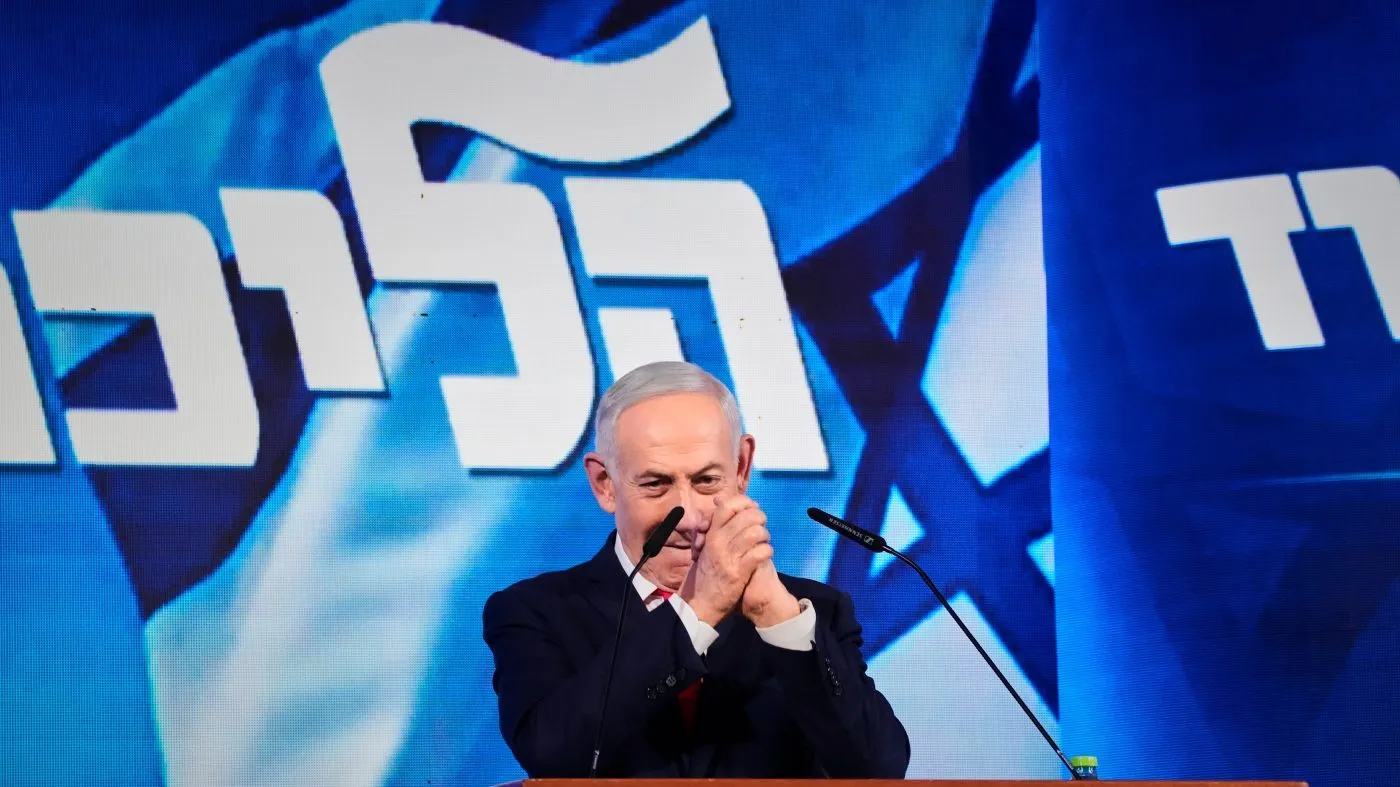
Israeli Prime Minister Benjamin Netanyahu’s Likud party on Wednesday accused Arab political parties of stealing the country’s election through widespread voter fraud, as preliminary results showed no clear winner.
In a statement shared by Netanyahu on the social platform X, Likud alleged that Arab parties engaged in bribery, voter intimidation and forgery to influence election results, as neither Netanyahu nor his primary challenger Gadi Eisenkot was projected to gain a parliamentary majority.
“The elections in the State of Israel were stolen by Arab parties that support terrorism and the elimination of the Jewish state through serious criminal offenses of bribery, threats, violence, forgeries, and the use of prohibited software to mobilize voters,” Likud said.
The party said it was turning over hundreds of witness accounts and pieces of evidence to the Israeli police, the Shin Bet domestic security agency and the Central Elections Committee.
Likud alleges that thousands of envelopes containing cash and ballots for Ra’am, an Arab political party, were distributed to voters. The party also claimed that voters cast multiple ballots, used false identities and employed prohibited software to boost turnout.
The allegations have not been independently verified, and Likud did not publicly release the evidence it said it had collected.
“We demand from the police and the Shin Bet a thorough investigation into the election theft by the Arab parties and the full prosecution of the criminals,” the party said.
The accusations come as Netanyahu, who was endorsed by President Trump, faces an uncertain political future following an election in which an opposition bloc led by Eisenkot made historic gains and could play a decisive role in determining Israel’s next government.
With 85.6 percent of ballots counted by election authorities as of Wednesday, there is no clear winner, as Netanyahu’s right-wing coalition has won 53 seats, the opposition coalition has won 48 seats and the Arab parties have won 19 seats, with each bloc falling short of the 61 seats needed for a parliamentary majority.
Topics in this story
Gathered from external sources. Rights to this text belong to whoever originally published it.