A Bee Gees song released in 1979 still generates money for children; royalties from ‘Too Much Heaven’ have contributed to more than $10 million in UNICEF funding
A song released by the Bee Gees in 1979 continues to support children around the world, decades after it first reached audiences.
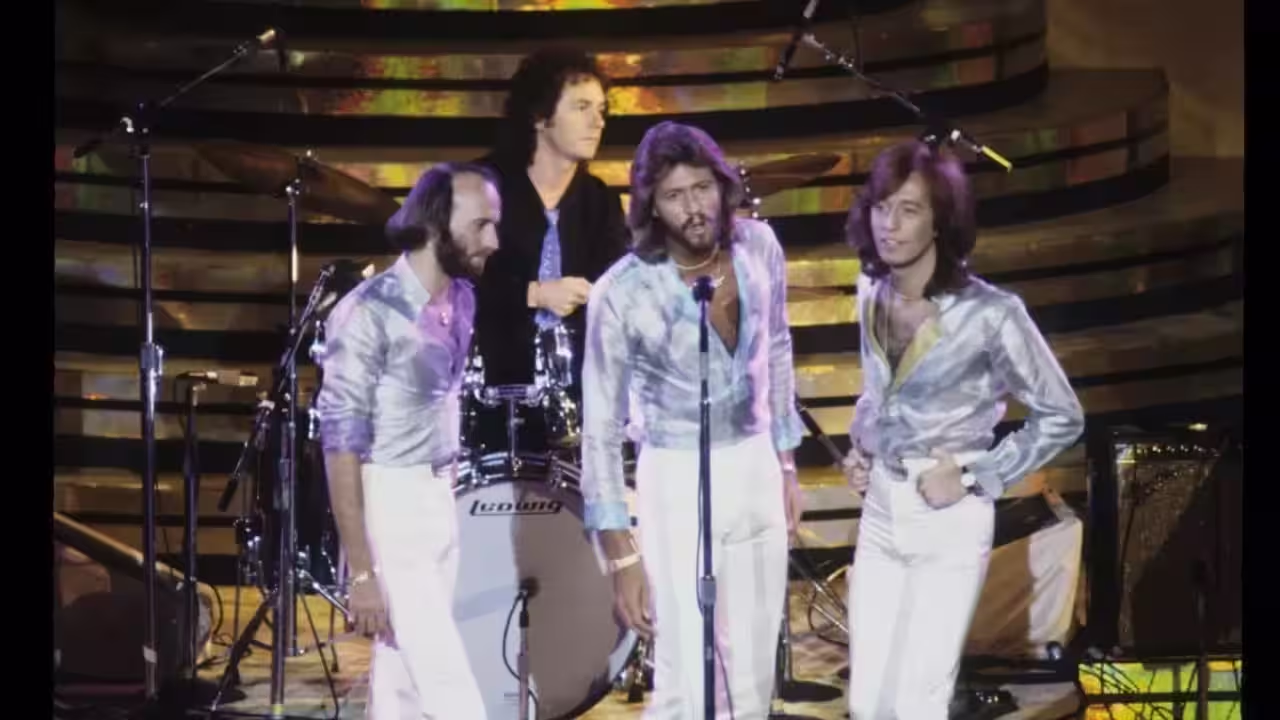
A song released by the Bee Gees in 1979 continues to support children around the world, decades after it first reached audiences. ‘Too Much Heaven’ became part of a fundraising initiative that allowed the band to donate royalties to the United Nations Children’s Fund (UNICEF). The arrangement has generated more than $10 million in contributions, helping sustain programmes that improve children’s lives. According to UNICEF, the money has become part of a wider pool of funding supporting long-term projects, including access to clean water, sanitation and hygiene education in vulnerable communities.How does the Bee Gees song continue to support childrenThe story of Too Much Heaven began with a decision to use music for a purpose beyond entertainment. In 1979, the Bee Gees performed the song at the Music for UNICEF Concert, dedicating its royalties to programmes for children worldwide.According to UNICEF, the contribution has raised more than $10 million in flexible, non-restricted funding. This means the money can support different areas of UNICEF’s work rather than being limited to one particular project.The arrangement also means the song continues to generate funds whenever it is played. The 1979 concert marked an important moment in the relationship between the music industry and charitable giving. By donating royalties from popular songs, musicians created a way for their work to keep contributing to children's welfare long after its original release.The 1979 concert brought leading musicians togetherThe Music for UNICEF: Gift of Song concert took place at the United Nations General Assembly in 1979. It was organised by the Bee Gees, their manager Robert Stigwood and British television host David Frost.The event brought together several prominent performers, including ABBA, Donna Summer, Earth, Wind & Fire, Rod Stewart, Olivia Newton-John, Kris Kristofferson and Rita Coolidge.The artists pledged royalties from their songs to UNICEF. Among the tracks included in the initiative were ABBA’s Chiquitita, Rod Stewart’s Do Ya Think I’m Sexy? and the Bee Gees’ Too Much Heaven.The commitment was significant because it extended beyond a single fundraising performance. Instead of limiting their support to money raised on the night, the musicians agreed to donate income generated by their music over time.UNICEF’s account records Barry Gibb, the Bee Gees’ chief songwriter, explaining that the group wanted to give something back after earning substantial money. His brother Robin Gibb also recognised the urgent needs of children, particularly in areas such as food, medicine and education.Why do music royalties make a lasting differenceTraditional fundraising events often depend on donations collected at a particular time. Royalties from music offer another approach because a song can continue generating income through repeated listening and purchases.According to UNICEF, donated songs can produce funds whenever they are streamed, purchased or played. This creates an ongoing source of support rather than a contribution tied to a single event. Too Much Heaven illustrates how that model can work across generations. Although the song was released in 1979, its contribution has continued into the present day.The money is also flexible, allowing UNICEF to direct resources towards different needs as circumstances change. This is particularly important for an organisation working across countries and communities where access to basic services remains uneven.UNICEF’s history of music and giving also highlights the contributions of artists such as George Harrison, Ravi Shankar, Fleetwood Mac and ABBA.A village in India shows how long-term funding can helpThe impact of sustained support becomes clearer through the experience of Bandaguda, a village in Odisha, India, described in UNICEF’s March 2026 article about the Bee Gees’ contribution.The community once faced serious challenges in accessing safe drinking water and sanitation. Residents relied on streams for everyday needs, while inadequate sanitation exposed families to waterborne illnesses.Naranga, a village resident, experienced the consequences personally when her youngest child died from diarrhoea. The loss became a turning point, prompting her to work with other women to improve sanitation and hygiene in the community.UNICEF had been working with government partners since the early 1980s to expand access to safe water and strengthen health monitoring. Funding from various sources, including the broader pool of contributions supported by the Bee Gees’ song royalties, has helped sustain UNICEF programmes. The money is not presented as the sole reason for the village’s progress, but as part of the wider support that enables communities to build lasting improvements.By 2011, Bandaguda had become the first tribal village in Odisha to be declared open defecation free, according to UNICEF.Women are building on the progress made by earlier generationsThe changes in Bandaguda have continued beyond the initial improvements in sanitation. Women who once struggled to access basic services have become community leaders, helping families adopt healthier practices and encouraging wider participation in local development.UNICEF reports that the district government selected Self-Help Groups to promote sanitation across the region in 2015. Women involved in these groups helped households understand the importance of toilets and hygiene, while community initiatives made construction more affordable.The results have influenced younger generations. Kalpana, Naranga’s daughter, now conducts menstrual health training for adolescent girls and helps teach young children proper handwashing techniques.According to UNICEF, access to piped safe drinking water in Koraput district rose from less than 3% in 2019 to more than 68% in 2026. Schools in the area also have toilets and handwashing facilities, allowing children to practise hygiene as part of their daily routines. The 1979 concert helped establish a model in which popular music could provide sustained support for humanitarian work.You use AI every day. Now get your AI Quotient. Take the AIQ test.
Topics in this story
Gathered from external sources. Rights to this text belong to whoever originally published it.