In 1906, three Wyandot sisters guarded ancestors’ graves with their late father’s shotgun; Lyda lost her 1910 court fight, but a 1913 law saved the cemetery
Discover the remarkable story of the Wyandot sisters who courageously defended their ancestors' graves in Kansas City against government threats, leading to a historic Supreme Court case and eventual preservation efforts.
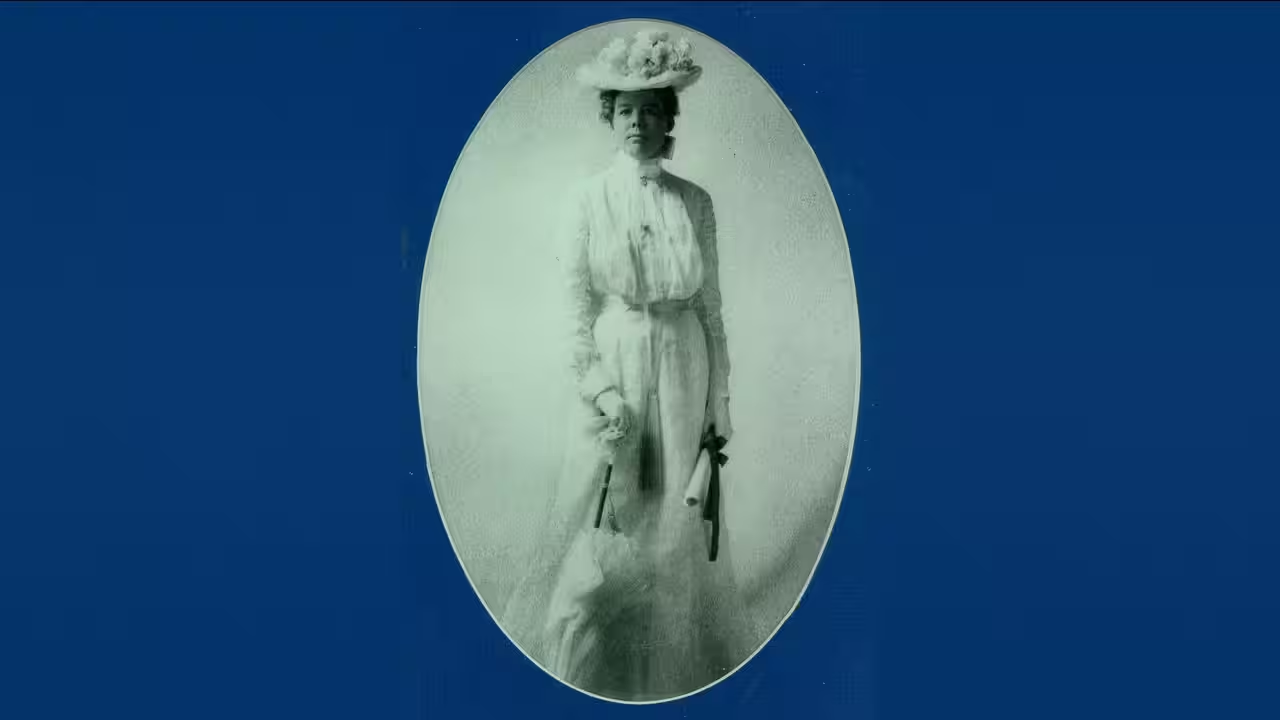
Throughout history, women have often had decisions made for them without their consent. But once in a while, some women have refused to succumb and have held their ground. In 1906, a cemetery in downtown Kansas City, Kansas, became the site of an armed standoff, according to the Wyandot Nation of Kansas. It was led by three sisters who guarded the graves of their relatives against government regulations to sell the land and relocate the remains.According to the Wyandot Nation of Kansas, Lyda Conley, one of the three sisters, took the case to court. Her case reached the US Supreme Court in 1910, but she unfortunately lost. Three years later, in 1913, the cemetery was saved from sale when Senator Charles Curtis secured legislation that repealed the authorisation.The Wyandot National Burying Ground, also called Huron Indian Cemetery, was built in 1844 after the Wyandot people were removed from Ohio. The Wyandot Nation of Kansas recorded that the community buried its dead on high ground near the meeting of the Missouri and Kansas rivers. The Treaty of 1855 dissolved the Wyandot Nation and made its members US citizens, but permanently reserved the enclosed cemetery for burials.Sacred land in the crosshairsEfforts to sell the cemetery predated the sisters’ occupation. According to the Wyandot Nation of Kansas, Senator Preston B. Plumb labelled it a “nuisance” in 1890 and tried to sell it. The attempt failed, but local historian and businessman William Elsey Connelly later negotiated with the Wyandotte Nation of Oklahoma. Connelly was appointed the agent with a promise of a 15% commission if the deal went through.Holding the line at Fort ConleyA clause in a federal appropriations act in 1906 authorised the Secretary of the Interior to sell and move the graves, according to the Wyandot Nation of Kansas. The sisters resisted the move and occupied the grounds, KCUR reported in 2025. The Wyandot Nation of Kansas account said Lyda, Lena and Ida locked the gate, displayed a “Trespassers Beware!” sign and built Fort Conley, a six-by-eight-foot wooden guard post. The sisters defended the site by holding up their father’s double-barreled shotgun. Kansas City, Kansas, rejected an initial Interior Department offer of $75,000 in 1907, the Wyandot Nation records.Making history at the Supreme CourtIn 1907, Lyda filed a petition in the US Circuit Court for the District of Kansas, relying on the 1855 treaty’s reservation of the cemetery for burials, the Wyandot Nation of Kansas noted. She did not, however, need a lawyer in Washington to sponsor her admission to the Supreme Court Bar, since she was already a licensed attorney in Kansas and Missouri. As a result, she argued her own case and became the first Native American woman to argue before the court. According to the Wyandot Nation of Kansas, Justice Oliver Wendell Holmes wrote that her Wyandot descent and relatives’ graves did not give her a legal claim to the land. The opinion treated the government’s treaty obligation as one of honour, not an enforceable legal duty.Rebuilding Fort Conley to a lifelong vigilThe ruling did not put an end to the occupation. Federal marshals demolished Fort Conley in July 1910, but the sisters rebuilt it. The Wyandot Nation recorded three rounds of demolition and reconstruction until authorities abandoned the effort. Senator Charles Curtis eventually stepped in and took up the issue.According to the Wyandot Nation of Kansas, Curtis secured a bill repealing the 1906 provision that allowed the cemetery to be sold. It was passed in February 1913. Regardless, the sisters continued to challenge work they believed threatened graves. In 1929, Lyda sat in a ditch to prevent construction of a retaining wall, the Wyandot Nation of Kansas noted. She served 10 days in jail in 1937 after she chased off people from property with a broomstick, according to the Wyandot Nation records.Lyda passed away on 28 May 1946, after being struck during a robbery, according to the Wyandot Nation of Kansas. She was buried in the cemetery. According to the National Park Service, the cemetery was entered into the National Register of Historic Places in September 1971 and became a National Historic Landmark in December 2016. The Wyandot Nation now leads the preservation work at the burial site.You use AI every day. Now get your AI Quotient. Take the AIQ test.
Topics in this story
Gathered from external sources. Rights to this text belong to whoever originally published it.