In 1912, Beulah Louise Henry patented a vacuum-sealed ice cream freezer, launching a career of over 100 inventions that earned her the nickname “Lady Edison”
In 1912, American inventor Beulah Louise Henry patented a vacuum-sealed ice cream freezer, marking the beginning of a career that would earn her the
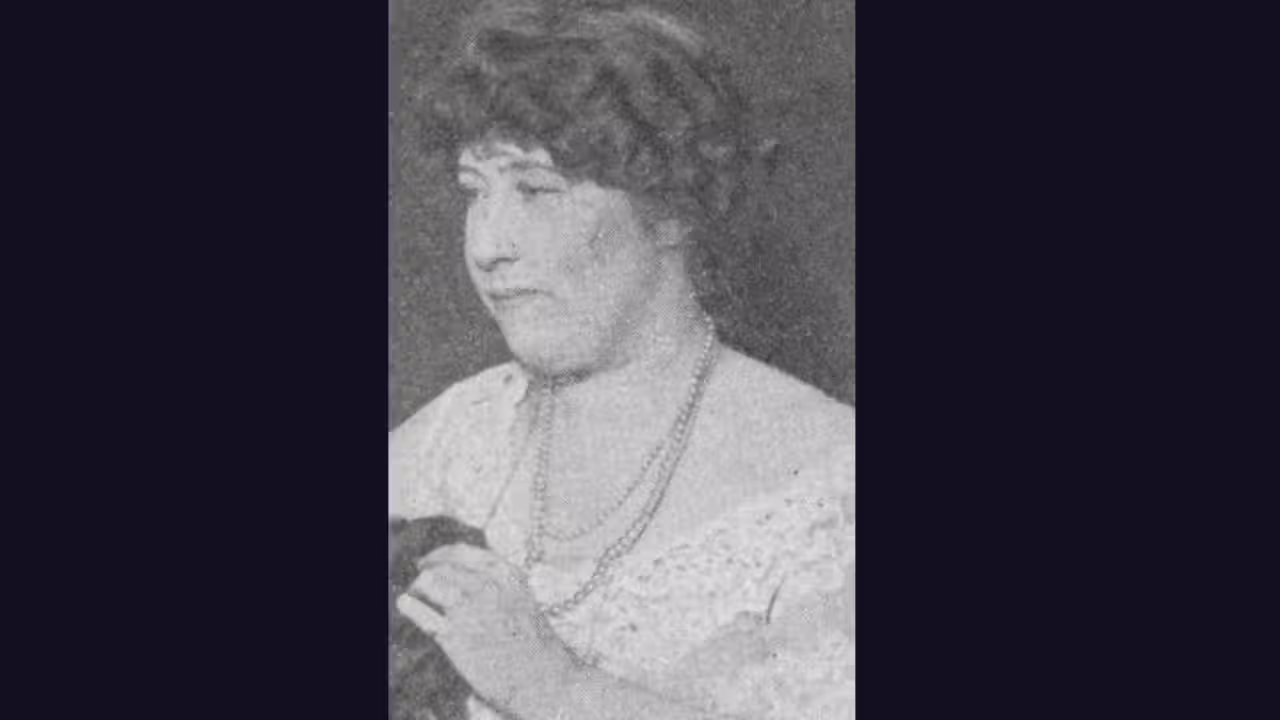
In 1912, American inventor Beulah Louise Henry patented a vacuum-sealed ice cream freezer, marking the beginning of a career that would earn her the nickname “Lady Edison”. Her design improved on earlier ice cream-making technology, including Nancy M. Johnson’s hand-cranked freezer patented in 1843. Henry went on to develop more than 100 inventions and received 49 United States patents during her lifetime. Her work included innovations in sewing machines, typewriters, umbrellas, dolls and other everyday products. Largely self-educated, Henry was inducted into the National Inventors Hall of Fame in 2006 for her inventive achievements.How did Beulah Louise Henry improve the ice cream freezerHenry’s invention built on earlier developments in ice cream-making equipment. According to the USPTO lesson plan, Nancy M. Johnson patented an “artificial freezer” in 1843. Johnson’s design used a hand crank, and the invention helped make ice cream more widely available. Henry subsequently developed an ice cream freezer that improved on Johnson’s design and other freezers that had been patented before hers.The USPTO explains that Henry’s freezer could be operated “by a crank or by motor power”. The educational resource describes this as an improvement on earlier hand-cranked models, which required users to turn the mechanism manually. Henry’s patent, numbered 1,037,762, was included in the USPTO lesson plan alongside Johnson’s earlier patent to illustrate the development of ice cream-freezing technology.How did Beulah Louise Henry earn 49 US patentsHenry’s work extended well beyond ice cream-making equipment. According to the National Inventors Hall of Fame, she developed a wide range of inventions, including a typographical device called the “protograph”, which produced an original document and four typewritten copies without carbon paper. Her other inventions included a lockstitch sewing machine without a bobbin, an umbrella with interchangeable snap-on covers, a children’s clock designed to teach the time and a doll whose eyes changed colour at the touch of a button.The USPTO’s educational resource credits Henry with 49 United States patents and more than 100 inventions. It also records that she founded two companies and worked as a consultant to other businesses. Her inventions covered sewing machines, typewriters, cash registers, umbrellas, dolls and toys. These examples demonstrate the breadth of her work across household products, office equipment and mechanical devices.Why was Beulah Louise Henry a pioneer among women inventorsHenry’s inventive career was particularly notable during a period when women inventors received comparatively little recognition. The USPTO lesson plan explains that only 32 patents had been issued to women by 1850. It also records that women received ten patents annually between 1855 and 1865, while men received 3,767. Henry, born in 1887, secured 49 United States patents during her lifetime, becoming a recognised figure in the history of women’s contributions to invention.Henry was largely self-educated and described her ability to visualise inventions before attempting to build them. The Hall of Fame inducted her in 2006 in recognition of her inventive achievements. Her first patented invention, the vacuum-sealed ice cream freezer of 1912, remains an important starting point in the documented history of a career that encompassed more than 100 inventions and earned her the nickname “Lady Edison”.You use AI every day. Now get your AI Quotient. Take the AIQ test.
Topics in this story
Gathered from external sources. Rights to this text belong to whoever originally published it.