Two spans of a 140-year-old Scottish railway bridge fell into the River Spey; engineers are investigating the collapse as restoration options could cost more than £1 million
Two spans of a 140-year-old railway bridge have collapsed into the River Spey in north-east Scotland, leaving engineers investigating the damage and
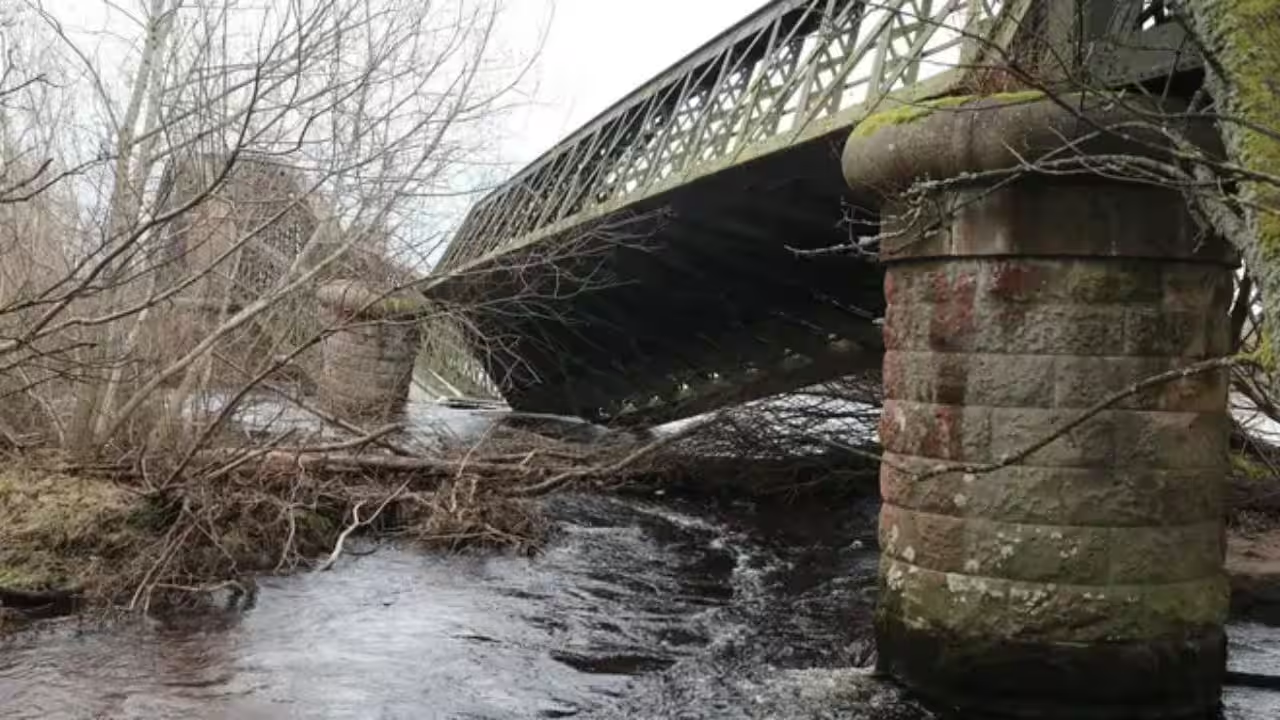
Two spans of a 140-year-old railway bridge have collapsed into the River Spey in north-east Scotland, leaving engineers investigating the damage and authorities weighing the cost of securing the historic structure. The Spey Viaduct, also known as the Garmouth Viaduct, partially collapsed on 14 December 2025, cutting off a popular walking and cycling route. Moray Council has since developed plans to remove the damaged sections safely, while the long-term future of the bridge remains uncertain amid questions about restoration costs and the condition of the surviving structure.The 140-year-old Spey bridge in Scotland collapsed into the riverThe collapse occurred on the morning of 14 December 2025, when two western spans of the iron structure fell into the river. According to The Independent, the viaduct was built in the 1880s as a railway bridge and later became a well-used route for pedestrians and cyclists.The structure was originally constructed between 1883 and 1886 for the Great North of Scotland Railway. Trains continued to use it until the railway closed in 1968. It subsequently became part of the area's walking and cycling network, connecting routes used by residents and visitors exploring the Moray coastline.Initial inspections by Moray Council engineers suggested that the collapse may have resulted from scour, a process in which flowing water gradually removes sand, gravel or other material from around bridge foundations.Moray Council explained that a specialist contractor's 2023 assessment had found no evidence of scour at the time. However, the river's flow path appeared to have changed over the following year, potentially altering the pressure on the bridge's supporting piers.The exact cause has not yet been established conclusively. A detailed investigation is required to determine what happened and whether the remaining structure can be preserved.The historic crossing remains closed to the publicThe collapse prompted the immediate closure of the viaduct and the surrounding area. Moray Council warned the public to stay away from the damaged structure, respect police cordons and avoid climbing onto any part of the bridge.The closure has affected an important local route. The viaduct forms part of the Moray Coastal Trail and National Cycle Network Route 1, while also providing access to the Speyside Way.The loss of the crossing has disrupted connections for walkers and cyclists travelling through the area. According to The Highland Times, the nearest alternative river crossing is at Fochabers, approximately 3 miles upstream.The incident also prompted concern among local representatives about the loss of a familiar landmark. Councillor Shona Morrison also expressed sadness at the collapse, describing the viaduct as a much-loved local landmark with personal significance for families in the area. Beyond its practical role, the bridge represents an important part of Moray's railway history.Engineers have chosen a safer method to remove the collapsed spansMoray Council's January 2026 update outlined two possible approaches for removing the damaged sections from the river.The first involved lifting each collapsed span out in one piece. However, this would require major lifting operations, create considerable safety risks because of the unstable structure and potentially cause further damage. The council estimated that this option would cost more than £1 million.The alternative was to cut the damaged spans into smaller sections and remove them individually. This method was considered safer for contractors, more practical given access restrictions around Garmouth and less likely to damage the surviving parts of the bridge.The initial estimate for this approach was approximately £500,000. Council officers and engineering specialists agreed that dismantling the spans in sections was the most practical option.Moray Council subsequently moved forward with the procurement process and sought the necessary Listed Building Consent. In February 2026, it confirmed that an application had been submitted for permission to remove the two failed sections. The proposed work did not include rebuilding or replacing the bridge.However, the removal project proved more complicated than initially anticipated. The Highland Times reports that the council had awarded the removal contract to TMS Ltd, a specialist marine and civil engineering contractor, following a competitive tender process. 4 contractors submitted bids. The final contract was valued at approximately £806,000, substantially above the original estimate for removing the spans in sections.The contractor is expected to dismantle and remove the damaged material from the river before arranging for it to be taken to an appropriate recycling facility.Restoration costs and temporary crossing options remain under reviewRemoving the collapsed spans is an essential step, but it will not immediately restore the crossing. Moray Council has said that a full investigation into the collapse and the condition of the surviving structure cannot be completed until the damaged sections have been removed and the site is safe to access.The investigation will examine the cause of the failure, assess the remaining bridge and determine whether reinstating the viaduct is technically possible.The council has also acknowledged community calls for a temporary replacement crossing. Early estimates put the cost of such a structure at between £1.5 million and £2 million. This option will be considered alongside the possibility of restoring the original viaduct.Transport Scotland has committed funding towards the response. Moray Council reported that the funding included £37,000 for investigating the collapse and assessing the structure's condition, £16,500 for examining the crossing's economic benefits and an additional £60,000 for initial diversion measures. Together, these contributions total £113,500. The council has also begun exploring alternative routes for walkers and cyclists while the viaduct remains closed.You use AI every day. Now get your AI Quotient. Take the AIQ test.
Topics in this story
Gathered from external sources. Rights to this text belong to whoever originally published it.