Passenger jet bound for US plunges 27,000 feet before circling for hours
Oxygen masks, a 27,000-foot drop and hours of circling: A retired fighter pilot breaks down what likely happened aboard a British Airways flight that descended suddenly.
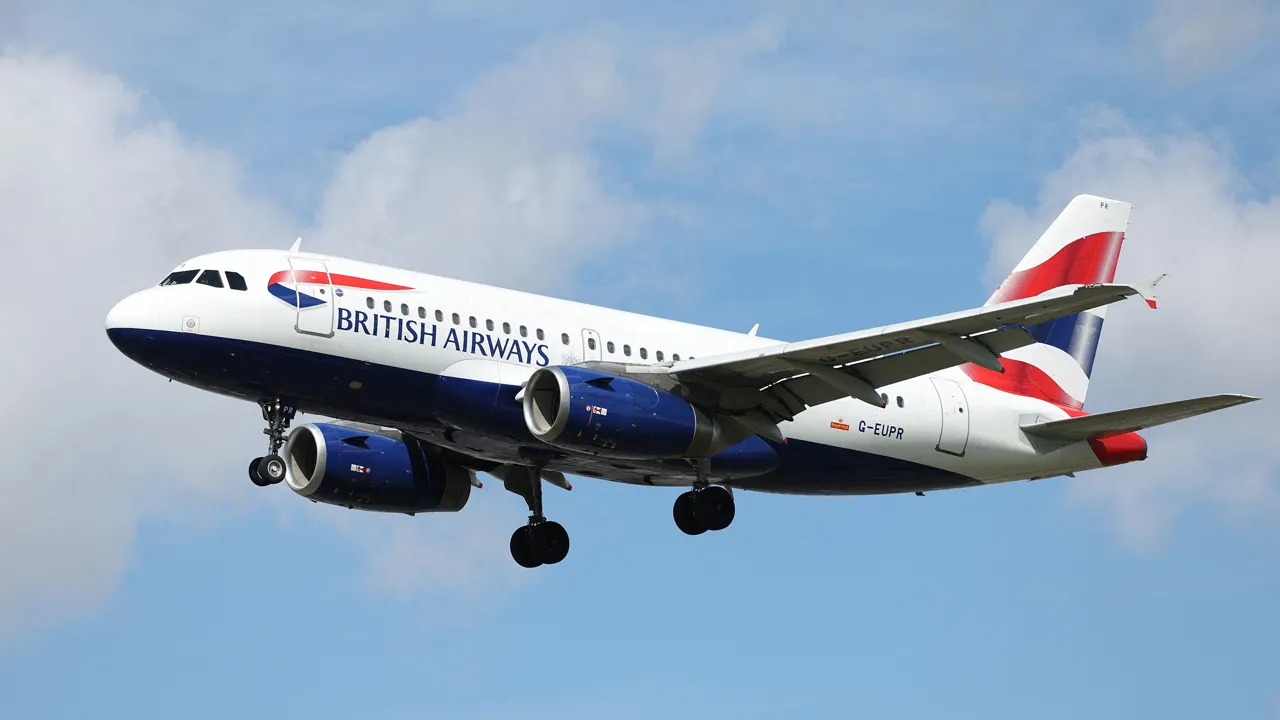
A plane bound for the U.S. experienced a dramatic change in altitude shortly after taking off from London before spending hours circling in the air. The British Airways flight was traveling from London Heathrow Airport to Chicago on Monday when the Boeing 777 descended roughly 27,000 feet, reaching an altitude of about 9,000 feet, according to reports. A British Airways spokesperson told Fox News Digital the aircraft returned to Heathrow following a "technical issue." CO-PILOT BECOMES SICK MIDAIR AS CREW ILLNESS REPORTS EMERGE AFTER OVERNIGHT LAYOVER "The safety of our customers and crew is always our top priority, and the aircraft landed safely after our highly-trained pilots returned to Heathrow following a technical issue," the spokesperson said. "Customers disembarked the aircraft normally and our teams worked to get their travel plans back on track as quickly as possible," the British Airways spokesperson said. FlightAware, a flight-tracking website, showed the aircraft turning back toward London but remaining airborne for several more hours. It circled over England before eventually returning to Heathrow. CLICK HERE TO SIGN UP FOR OUR LIFESTYLE NEWSLETTER Matthew "Whiz" Buckley of Florida, a retired U.S. Navy F/A-18 fighter pilot with nearly 40 years of flying experience, told Fox News Digital the flight pattern appeared consistent with an emergency descent that could follow a pressurization problem. Buckley said getting the aircraft below 10,000 feet would eliminate the need for supplemental oxygen if cabin pressure had been lost. "They did everything by the book," Buckley said. "It sounds like everything worked as advertised." For passengers, however, the sharper descent can be an unsettling experience — particularly if oxygen masks were deployed. CLICK HERE FOR MORE LIFESTYLE STORIES "If you're just used to regular boring airline flights, this one's gonna get your attention," Buckley said. "It's a roller-coaster ride." The aircraft's hours of circling after turning back also raised questions about why it did not immediately land. Buckley said a plane beginning a transatlantic flight would be carrying a significant amount of fuel and might need to reduce its weight before returning to the runway. If fuel could not be dumped, he said, the aircraft could remain airborne and circle while burning enough fuel to reach an appropriate landing weight. TEST YOURSELF WITH OUR LATEST LIFESTYLE QUIZ "You cannot land heavy," Buckley said, explaining that the additional weight can put greater strain on the aircraft's landing gear and brakes. Pilots facing an in-flight problem have to assess the aircraft's condition and determine the safest course of action before returning to the ground, Buckley added. CLICK HERE TO DOWNLOAD THE FOX NEWS APP "You don't want to turn one emergency into another," he said.
Gathered from external sources. Rights to this text belong to whoever originally published it.