An Oklahoma man donated his 14,000-acre ranch to protect wildlife; today, the nature preserve has grown to more than 17,000 acres
Discover how John T. Nickel's 14,000-acre donation to The Nature Conservancy transformed into a 17,000-acre wildlife preserve, home to black bears and elk, and a model for conservation in the Ozarks.
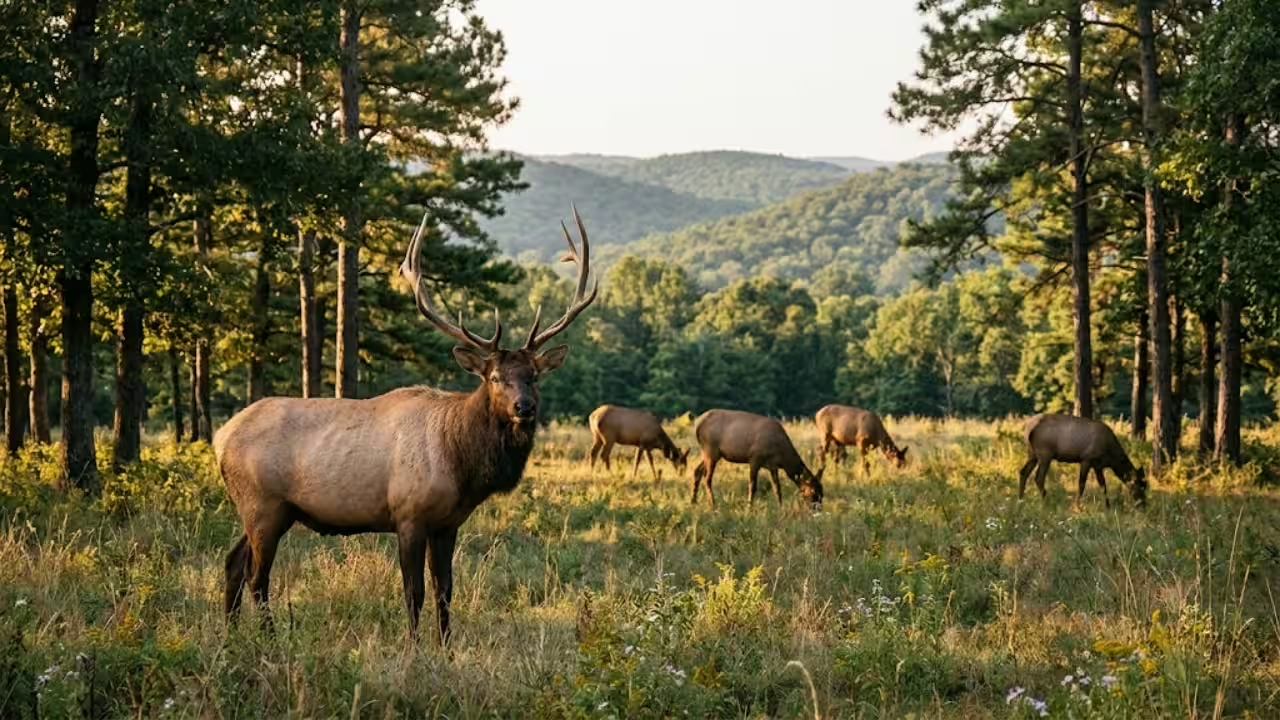
Oklahoma is better known for its oil derricks and cattle country than for its forests. Yet in the Cookson Hills of the eastern Ozarks, one landowner's decision helped protect a large stretch of woodland, grassland and wildlife habitat. Nurseryman John T. Nickel donated his 14,000-acre ranch to The Nature Conservancy in 2000. Further land acquisitions expanded the property into the J.T. Nickel Family Nature and Wildlife Preserve, which now covers approximately 17,500 acres. The Ozarks extend from eastern Oklahoma into northern Arkansas and southern Missouri, and the preserve is the largest privately protected conservation area in the region. Its landscape includes oak and hickory forests, pine woodland, savanna, shrubland and prairie.A boyhood trip on the Illinois RiverNickel's connection to the Oklahoma landscape began when he was young. During his studies at Connor's College, he visited the Bonner Ranch on a field trip and saw how native bluestem grasses could return when overgrown timber and brush were cleared. The experience shaped his conservation ambitions. Recalling the visit in an oral history, he said, “If I ever had a chance to own something like this, I'd make it into a refuge for the wildlife and nature.”Born in Muskogee in 1935, Nickel grew up working in his parents' retail nursery business. At 22, he established Greenleaf Nursery Company on Lake Tenkiller in Park Hill, developing it into a major wholesale producer of shrubs, trees and container plants. His success gave him the means to pursue his interest in conservation. Nickel purchased the 14,000-acre J-5 Ranch in the Cookson Hills in 1989. He later donated the property to The Nature Conservancy through a series of gifts completed in 2000. He said the agreement required the organisation to protect the property and prevented it from selling or trading the land. Nickel's recorded interview with Voices of Oklahoma documents his nursery career, ranch purchase and conservation plans.Turning cattle pasture into wild countryAfter the donation, Nickel removed his cattle from the property, and conservation work focused on restoring its woodland and grassland habitats. Prescribed fire became an important management tool. Nickel explained that controlled burns could clear dense underbrush without destroying mature trees, allowing sunlight to reach the forest floor and encouraging native grasses and herbs to grow. He described a rotational approach in which managers burn one area, leave it to recover for several years and then return to it. This helps restore the more open woodland conditions that historically supported wildlife in the region.Prescribed fire also has a long history in this landscape. Before fire suppression became widespread, periodic burns helped maintain open areas beneath the woodland canopy. The Nature Conservancy now uses carefully planned fires to manage vegetation and support biodiversity. On April 11, 2023, a team involving The Nature Conservancy and members of the Cheyenne and Arapaho tribes carried out a major controlled burn at the preserve. The organization's 2023 Oklahoma impact report described it as the largest burn there in more than a decade and recorded more than 2,300 acres treated.Wildlife restoration has been another important part of the preserve's development. The Nature Conservancy reintroduced elk in 2005 after the animals had been absent from the area for more than 150 years. The herd has since become one of the preserve's notable features. Black bears also inhabit the property, which provides habitat for uncommon and migratory bird species. These animals benefit from the combination of woodland, grassland, streams and other habitats protected across the site.A preserve that keeps growing The original ranch was not the final boundary of the preserve. The Nature Conservancy continued acquiring adjoining parcels, expanding the protected landscape beyond the 14,000 acres Nickel donated. Its current preserve profile lists the property at approximately 17,500 acres. That figure refers to the Nickel Preserve itself, while the Conservancy's broader Oklahoma land donation total covers multiple properties and conservation projects across the state.The preserve's management combines wildlife protection with habitat restoration and controlled public access. The Nature Conservancy has also improved its visitor trails with more stable walking surfaces and educational displays explaining local plants, animals and the importance of biodiversity. Its trail upgrades include accessibility improvements for visitors with mobility needs. The organisation continues to use prescribed fire to maintain the landscape and support its native plant communities.Visitors can explore three self-guided nature trails, which are open during daylight hours seven days a week. Access is limited to designated hiking trails. Hunting, fishing, camping, off-road driving and dogs are not permitted. The Bathtub Rocks area is permanently closed to the public following problems involving vandalism, littering and trespassing. The Nature Conservancy provides these rules to protect the preserve's wildlife and sensitive habitats.Nickel's decision created a lasting opportunity to protect the landscape that had shaped his interest in conservation. Through continued land protection, prescribed fire, habitat management and controlled public access, the preserve is working to maintain the woodlands, grasslands and wildlife of the eastern Ozarks. Its development shows how a privately owned ranch can become a long-term conservation landscape.You use AI every day. Now get your AI Quotient. Take the AIQ test.
Topics in this story
- Oklahoma wildlife conservation
- J.T. Nickel Family Nature and Wildlife Preserve
- land donation
- The Nature Conservancy
- Ozarks conservation efforts
- Oklahoma wildlife preserve
- donation of land for conservation
- elk and black bears in Oklahoma
- land conservation success stories
- restoration of ecosystems
- Nature Conservancy impact
- Cookson Hills wildlife restoration
Gathered from external sources. Rights to this text belong to whoever originally published it.