Copenhagen’s £200m underground Natural History Museum, under construction since 2019, to open in 2027 with eight galleries, 14m specimens, dinosaur skeletons, 3D exhibits and Ocean Hall
Europe News: A huge new underground attraction is set to open in one of Europe’s most popular cities, promising visitors immersive experiences, dinosaur fossils an.
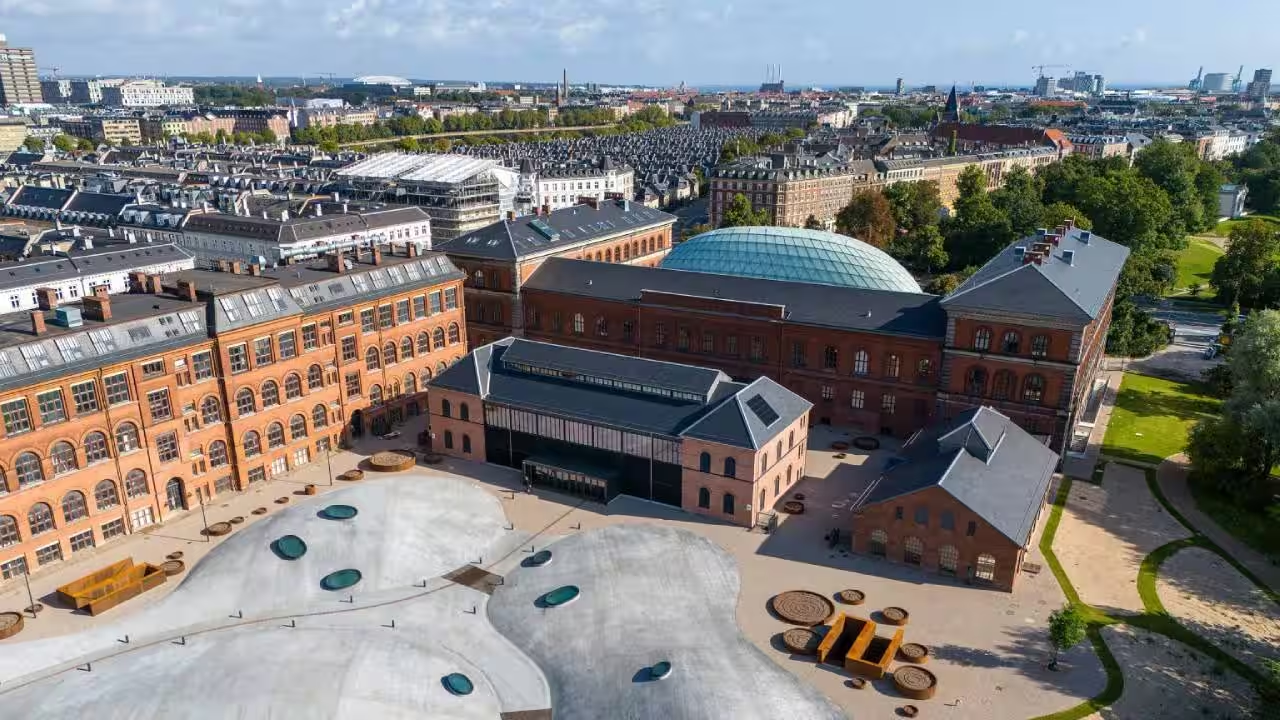
A huge new underground attraction is set to open in one of Europe’s most popular cities, promising visitors immersive experiences, dinosaur fossils and access to millions of specimens collected over centuries.The new Natural History Museum in Copenhagen, Denmark, will officially open on March 6, 2027, following a major £200 million redevelopment project that has been years in the making.The centrepiece of the project is a series of eight new galleries built underground, creating a vast new exhibition space beneath Copenhagen’s historic Botanical Garden.The eight exhibitions will be titled Universe, Earth, Life, Denmark, Arctic, Biodiversity, Humans and Ocean Hall, taking visitors on a journey through the history of the natural world, according to The Official Copenhagen City Card website.Eight galleries will be built undergroundThe museum has been designed to combine Copenhagen’s historic architecture with a striking new underground complex.According to architect Lene Tranberg, natural light will reach the underground exhibition galleries through skylights, while the design aims to “engage all the senses”.Inside, visitors will find concrete interiors, curved staircases and large exhibition spaces designed to create an immersive journey through natural history.The new museum connects the Botanical Garden, the existing historic buildings and new architecture inspired by organic forms found in nature.The museum says the project represents a new direction in Danish museum architecture, combining protected historic surroundings with new underground galleries and above-ground structures inspired by nature.14 million specimens include dinosaur skeletonsThe museum is home to an extraordinary collection of around 14 million items gathered over 400 years, including fossils and specimens documenting the history and diversity of life on Earth.Among the highlights are dinosaur remains, including a 17-metre-long Diplodocus skeleton and T-Rex skeletons.Visitors will also be able to explore specimens using interactive touchscreen tables, allowing them to rotate and zoom into 3D scans of objects from the museum's collections.The exhibitions will cover everything from the formation of the Solar System and the origins of species to biodiversity and the rapidly changing natural world.Ocean Hall features a huge glass domeThe scale of the new museum can be seen in the construction details.The exhibition halls have walls reaching up to 10 metres high, while ceilings are made using around 180,000 small wooden slats, designed to improve acoustics across the large spaces.The Ocean Hall measures 16 metres wide, 23 metres high and 50 metres long. Its dome consists of 2,000 steel frames fitted with 1,600 triangular glass panels.Remarkably, only two of the glass panes in the entire structure are identical.The museum's welcome hall is housed in a former engine house that was dismantled and reconstructed using original facade bricks and steel lattice structures.The excavation for the foundations reached 15 metres deep and stretched 400 metres in circumference.£200 million project has taken years to completePlans for the new museum were first revealed around 17 years ago, while construction began in 2019.The project was originally expected to open much earlier, but planning permission and funding issues contributed to significant delays.The exhibition concept was developed by the museum in collaboration with design agency Tinker Imagineers, which won an international competition in 2018. In 2023, the project entered its production phase, with Event Communications winning the contract to deliver the new permanent exhibitions.Christine Wiberg-Lyng, Foundation Director at Aage og Johanne Louis-Hansens Fond, said the new buildings create a sensory setting that supports the museum's core purpose.Museum will sit alongside Copenhagen’s Botanical GardenThe redevelopment will add around 7,000 square metres of exhibition space, while another 2,000 square metres will include public facilities such as the shop, ticket office, VILLUM Hall, restaurant, café and dining areas.Around 500 square metres will be dedicated to teaching facilities for school students.Collection storage, laboratories, offices and other staff facilities will occupy approximately 22,500 square metres. Overall, the new museum will comprise around 32,000 square metres, divided almost equally between new construction and renovated historic buildings.Above the underground galleries, Copenhagen's Botanical Garden offers visitors a living museum containing around 13,000 plant species, alongside alpine rock gardens and walking trails.The site also includes the Palm House and Butterfly House, located inside a Victorian cast-iron glasshouse dating back to 1874.The Botanical Garden is free to enter, while tickets for the new museum are listed at approximately £13.22 for adults and £5.75 for children aged three to 17.Catch the latest World News and Live updates. Download the TOI app.
Topics in this story
Gathered from external sources. Rights to this text belong to whoever originally published it.