In 2021, an investigation reported that Amazon’s Scottish warehouse sent millions of unsold or returned items, including TVs, laptops and books, to be destroyed each year
An investigation reveals Amazon's Scottish warehouse destroys millions of unsold or returned items each year, raising questions about waste in online retail.
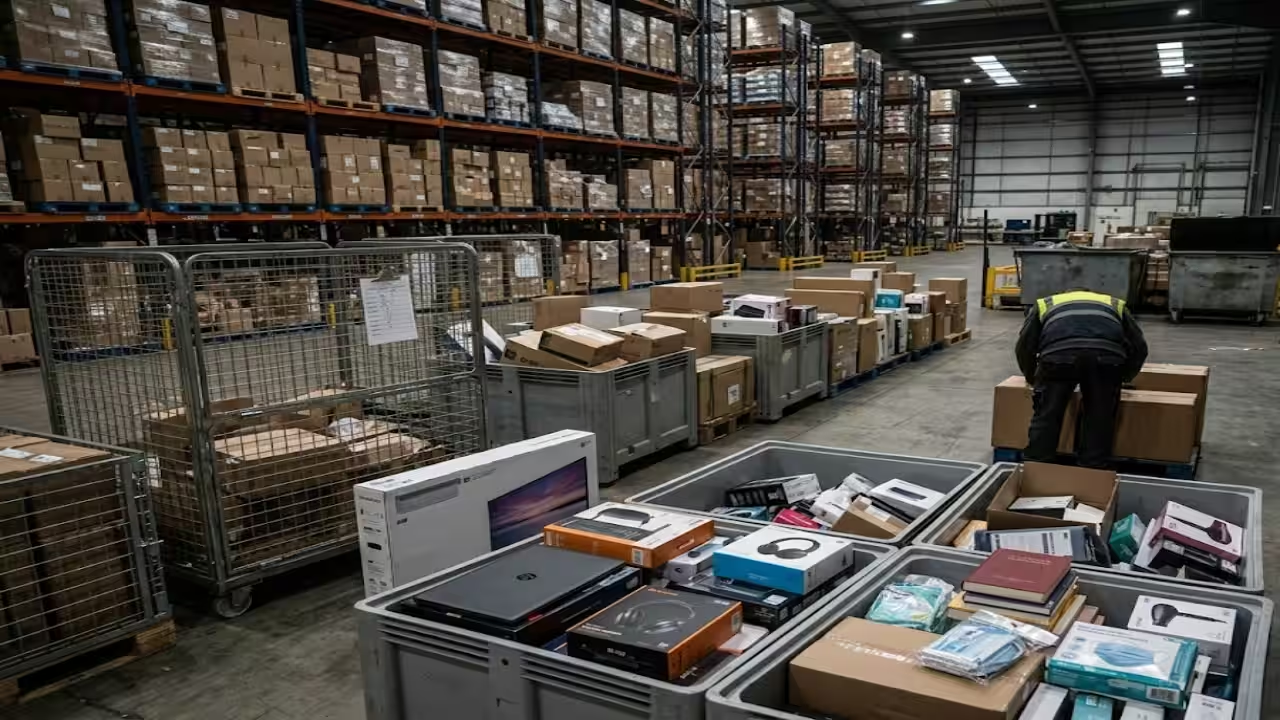
Every online order can create returns or unsold items that still need to be dealt with. As purchasing shifts to screens, returns have become commonplace, and someone has to decide what to do with a book that never sold or a laptop that was only opened once. The answer is not always what customers expect. That subject came into focus in June 2021 when ITV News filmed inside Amazon’s fulfilment centre in Dunfermline, Fife. ITV reported that the warehouse was destroying millions of unsold or returned items a year, including smart TVs, laptops and books. Amazon rejected that picture.In a statement to ITV, it said it was working toward a goal of zero product disposal, that its priority was to resell, donate or recycle unsold products, and that no items are sent to landfill in the UK. In the company’s account, returns are first inspected and, if they meet quality standards, relisted as new; if not, they can be routed to Amazon Warehouse, returned to suppliers or donated to charities. Amazon says most returned products can be resold this way, and that its UK donation partnership with In Kind Direct has reached more than 2,000 charities and volunteer organisations. The story reaches beyond one building in Scotland. It shows how the economics of online selling can push functional goods toward disposal. This article looks at what ITV reported, why it can happen and how governments are beginning to respond.What ITV reportedSecret footage from a former employee shows smart TVs, computers, drones, hairdryers, headphones, computer drives, novels and thousands of sealed face masks being sorted into crates marked for destruction. A leaked document showed that more than 124,000 items were tagged for destruction in one week in April, compared with just 28,000 marked for donation.The former worker said the usual target was to destroy about 130,000 items a week, and ITV said the total could reach 200,000 in some weeks. The same worker estimated that half of the items were still in their shrink wrap and that the rest were customer returns in good condition. ITV said it followed lorries carrying the goods to a landfill site and to recycling centres, and it published its findings on Amazon Prime Day.Why destruction sometimes costs lessITV said the reason was largely storage fees. The longer items sit unsold in a fulfilment centre, the more their owners pay to store them. At some point it can become cheaper to dispose of the stock than to store it, especially if the items were shipped in from overseas. Many items in Amazon’s warehouses belong to outside sellers rather than Amazon itself, so the decision often hinges on the seller’s numbers rather than any desire to waste goods.Amazon’s answer was unequivocal. John Boumphrey, its UK country manager, told ITV before the broadcast that the number of items destroyed was extremely small and that the company was working toward zero product disposal. The company also denied that the waste went to landfill, saying the site ITV tracked the lorries to is part of the Dunfermline Recycling Centre. The landfill denial does not answer the broader claim that functional goods were being destroyed, because items sent for recycling are also taken apart rather than resold. The dispute persisted in part because both claims could be true at the same time. ITV’s estimates rested on one leaked document and one former employee, and Amazon said they did not reflect its wider practice.Reaction and new rulesThe report drew a response from ministers and MPs. Business Secretary Kwasi Kwarteng told ITV News he was “very surprised” by the findings and wanted to get to the bottom of what was happening. The Guardian reported that three Labour MPs wrote to demand a meeting with Amazon’s UK country manager. Amazon says it works with the national charity In Kind Direct, which organises donations of leftover products, and that its FBA Donations programme has passed more than 20 million products from sellers to charities globally.Other countries had taken a harder road. According to the French government’s service-public.fr portal, France prohibited the disposal of unsold non-food products from January 1, 2022. Electrical and electronic items and books were among the first categories covered, and by the end of 2023 the rule covered all product types. Companies that break it can be fined up to 15,000 euros, the portal says.The Dunfermline case concerns one warehouse, and its figures were contested. But it illustrated how storage costs and returns may make destruction cheaper than giving, and it put the topic of what happens to unsold products in the public spotlight. Rules like France’s are one way to alter such incentives.You use AI every day. Now get your AI Quotient. Take the AIQ test.
Topics in this story
Gathered from external sources. Rights to this text belong to whoever originally published it.