In 1965, Les Heures Claires released a limited edition of Dalí’s Divine Comedy prints; a Kitty Hawk thrift-store find was identified as a wood engraving from the series and sold for $1,200.
A thrift store find by volunteer Wendy Hawkins reveals an authentic Salvador Dalí woodcut print, linked to Dante Alighieri's Divine Comedy, selling for $1,200. Discover the intriguing history and significance of this artwork and how it was verified by experts.
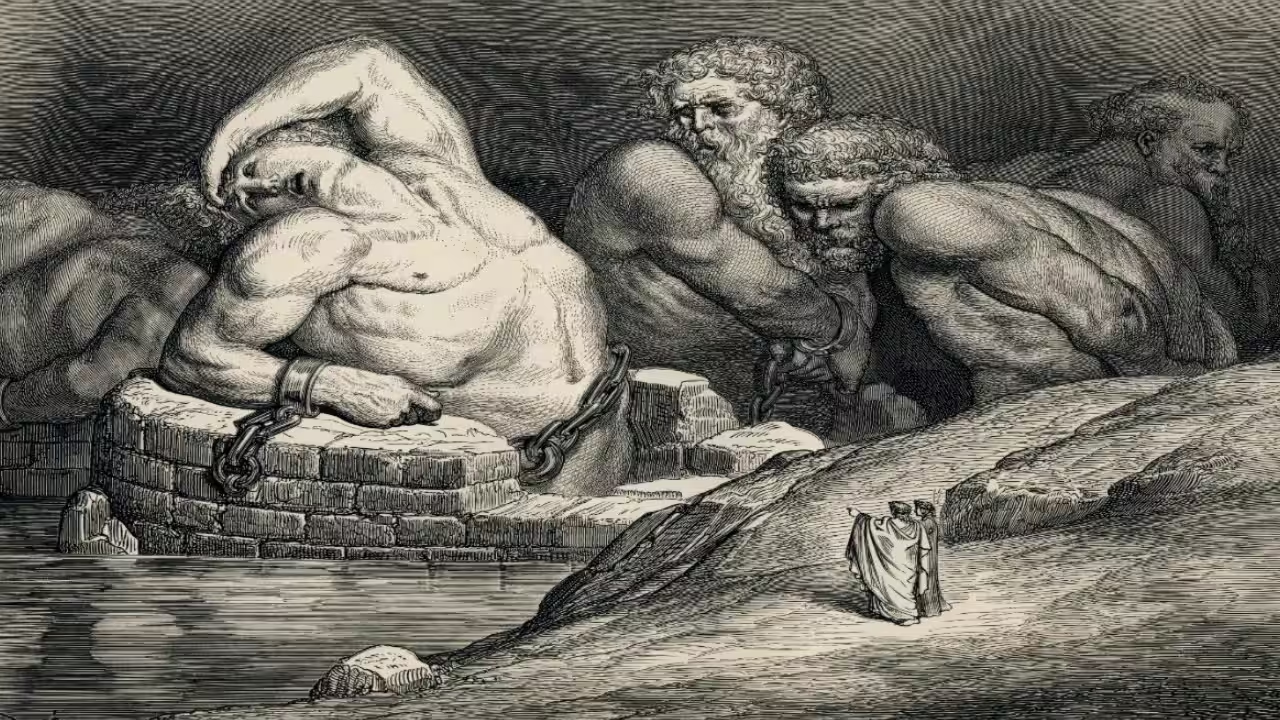
A woodcut print by Salvador Dalí turned out to be an authentic work after being found among donated artwork by Wendy Hawkins, a volunteer at Hotline Pink Thrift Shop in Kitty Hawk, according to Smithsonian Magazine. The print, titled Purgatory Canto 32, was part of Dalí’s illustrated series, which was based on Dante Alighieri’s Divine Comedy.Hawkins had recognised the print while sorting through artworks waiting to be priced as the shop routinely sold second-hand pictures. The frame of the artwork was damaged, and the surface was dirty; however, Hawkins suspected it to be older and potentially significant, prompting her to seek an expert opinion. She brought the artwork to Seaside Art Gallery, where its owner, Madeline Smith, took a week to research until she concluded that it was an authentic Dalí print. There were two signatures that caught her attention: one was a mark impressed into the print using a woodcut stamp, and the second was a handwritten signature in purple pencil.How the print was identified The artwork, which has been identified as Purgatory Canto 32, depicts a woman dressed in blue standing beside a man wearing red. The artwork belongs to a collection of 100 illustrations that Dalí created based on Dante’s Divine Comedy, an epic poem chronicling a journey through hell, purgatory, and Heaven. In essence, each illustration corresponded to one of the 100 cantos in the poem and, in doing so, followed Dante’s work closely, canto by canto.The project began in 1957, after the Italian government commissioned Dalí to produce illustrations to commemorate the 700th anniversary of Dante’s 1265 birth; however, in 1965, the decision was met with much opposition. The idea of appointing a Spanish artist to illustrate a celebrated work of Italian literature didn’t sit well with the government, so they withdrew the commission, but Dalí continued his work. In the subsequent years, Dalí completed 100 watercolours and translated Dante’s literary world into a visual language. The pictures encapsulated the dreamlike symbolism which was a hallmark of Dalí’s Surrealist art; for instance, one illustration depicted a fallen angel looking down at a body from which five open drawers protrude.Dalí had offered the completed works to the French publishing company Les Heures Claires and in 1965, they were released as a limited-edition of prints inside a six-volume edition of the Divine Comedy. The reproductions were produced by a process called wood engraving, which required carefully carved wooden blocks to transfer the illustrations onto paper. According to Smithsonian Magazine, it took an artistic team five years to carve the wooden blocks for the collection, while each watercolour required between 20 and 37 blocks, allowing the printed versions to reproduce the detail of Dalí’s original illustrations. The Kitty Hawk discovery was one of these reproductions rather than an original watercolour painting.Authentication and the print’s unknown historySmith researched the artwork against published records of Dalí’s graphic works and used a magnifying loupe because determining the print’s authenticity required more than Dalí’s signature. Combining the printed mark alongside the handwritten signature and the matching catalogue information helped her to verify that the piece indeed belonged to Dalí’s series.The purple-pencil signature also corresponded with the colour variations used on the Purgatory illustrations, and accounts of the series gave context to why Dalí used it. Dalí had used different pencil colours to sign the three sections of the poem: purple embodied Purgatory, blue was for Paradise, and red was used to represent Hell.The artwork’s earlier ownership remained unknown because donated items in thrift shops sometimes arrived without any information, according to Michael Lewis, executive director of Outer Banks Hotline. As a result, the shop could not establish how the Dalí print had entered its collection or how long it had remained in private ownership. Following the discovery, the print was sold to a couple for $1,200, and the proceeds went to a nonprofit organisation.You use AI every day. Now get your AI Quotient. Take the AIQ test.
Topics in this story
Gathered from external sources. Rights to this text belong to whoever originally published it.