In 2024, Nova Scotia boatbuilders recovered 162 kg of fiberglass from a turbine blade and used it to build a boat hull, reclaiming material headed for landfill
Discover how Nova Scotia boat builders recycled 162 kg of fiberglass from a wind turbine blade into a functional boat hull, demonstrating innovative sustainability solutions in maritime manufacturing.
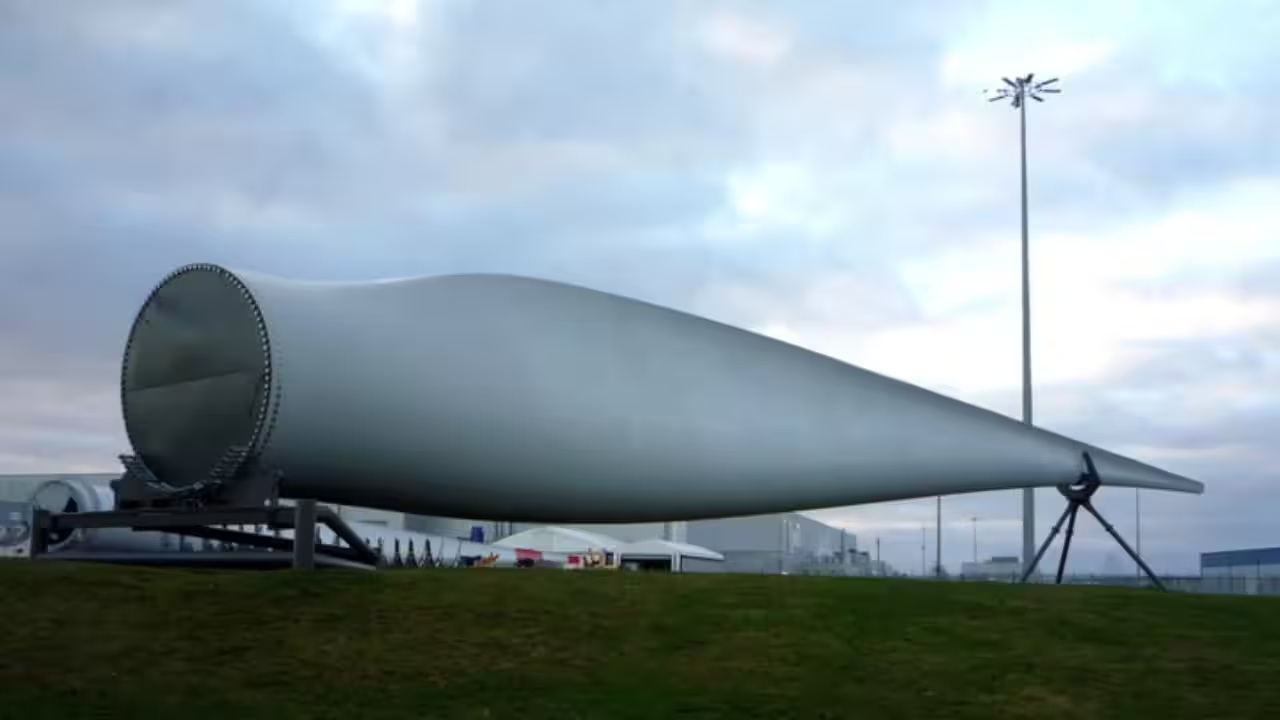
In 2024, a team of boat builders in Nova Scotia found a new use for material that might otherwise have ended up in a landfill. In an experiment that saw 162 kgs of fibreglass salvaged from a section of a wind turbine blade being utilised to make a boat hull, the Second Wind Project saw Resolve Composites team up with Siemens Gamesa to prove that composite materials from the wind energy sector can be recycled in boat production. According to Canada’s National Observer, Siemens Gamesa gave Resolve Composites a 20-foot section of blade in October 2023. By January 2024, Bigeau and his team had broken the blade down into 162 kg of reusable fibreglass sheets, the National Observer reports and that fibreglass was going into the hull of a Bantam Bay 17 Skiff.The Second Wind Project turned a turbine blade into boat materialThis concept was born out of a discussion that Nick Bigeau, a professional boat builder and CTO of Resolve Composites, was having thoughts about recycling old fibreglass boats using the composite material for other products when he got intrigued by the question of what to do with wind turbine blades. As described in Climate Council’s report on the project, Siemens Gamesa provided the team with a 20-foot blade section containing 27 layers of fibreglass held together by recyclable resin. The recovered material was then set aside for the construction of a Bantam Bay 17 Skiff. The project was at once a demonstration and an opportunity to refine the process by which the group recycled their material. Instead of breaking down the blade into smaller bits, the boat builders sought to recycle the fibreglass into something that would become part of another composite object.ReceTT separated fibreglass without shredding the bladeThe recycling technology of Resolve Composites is called ReceTT. According to Canada’s National Observer, the method applies a solvent to fibreglass end products to separate the resin from the fibreglass, without submerging the whole item in a tank. That separation matters because fibreglass composites are made by bonding fibreglass and resin together. After the resin hardens, the extraction of these materials from each other is not an easy task. Recycling of composite material using existing technologies may include the process of shredding the composite into smaller parts, altering the shape of the recovered material and reducing the number of possibilities for its use. ReceTT was developed so that fibreglass could be recovered as intact sheets. Bigeau told the National Observer it took him three hours to roll up all the fibreglass recovered from the blade section. It allows the manufacturing companies to use the recovered material in the production of new composite products rather than dispose of it.The project explored another use of discarded turbine bladesRecycling of wind turbine blades is not easy because of their size and composite material used for manufacturing. Disposal becomes complicated by the size and nature of the products, especially when regular recycling facilities are unable to cope with them. The Second Wind Project offered one possible solution. Through recovering useful fibre glass and using it in making a boat hull, the group was able to demonstrate how materials from the wind energy industry could be applied in maritime manufacturing.The Second Wind Project also attracted the interest of the wind energy industry. In the 2024 announcement concerning the Second Wind Project, both Resolve Composites and Siemens Gamesa were able to present the project as a collaboration between the marine manufacturing and wind energy industries. By recovering 162 kg of fibreglass, the group demonstrated how an old wind turbine blade could be used to create something new. For boat builders, it was an opportunity to see how recycling of composite materials could take place and how materials from wind energy waste could be reused.You use AI every day. Now get your AI Quotient. Take the AIQ test.
Topics in this story
Gathered from external sources. Rights to this text belong to whoever originally published it.