Department of State approves potential $2.6 billion military air defense equipment sale to Ukraine
The State Department approved a potential $2.6 billion air defense equipment sale to Ukraine Friday as its conflict with Russia resumed following trilateral talks with U.S. special envoys. In a congressional notification, the State Department wrote that the Ukrainian government requested S-300 Clone missiles, GAM-67 missiles, Range-Extended Air Defense Laser Guided Rocket missile systems, counter-drone…
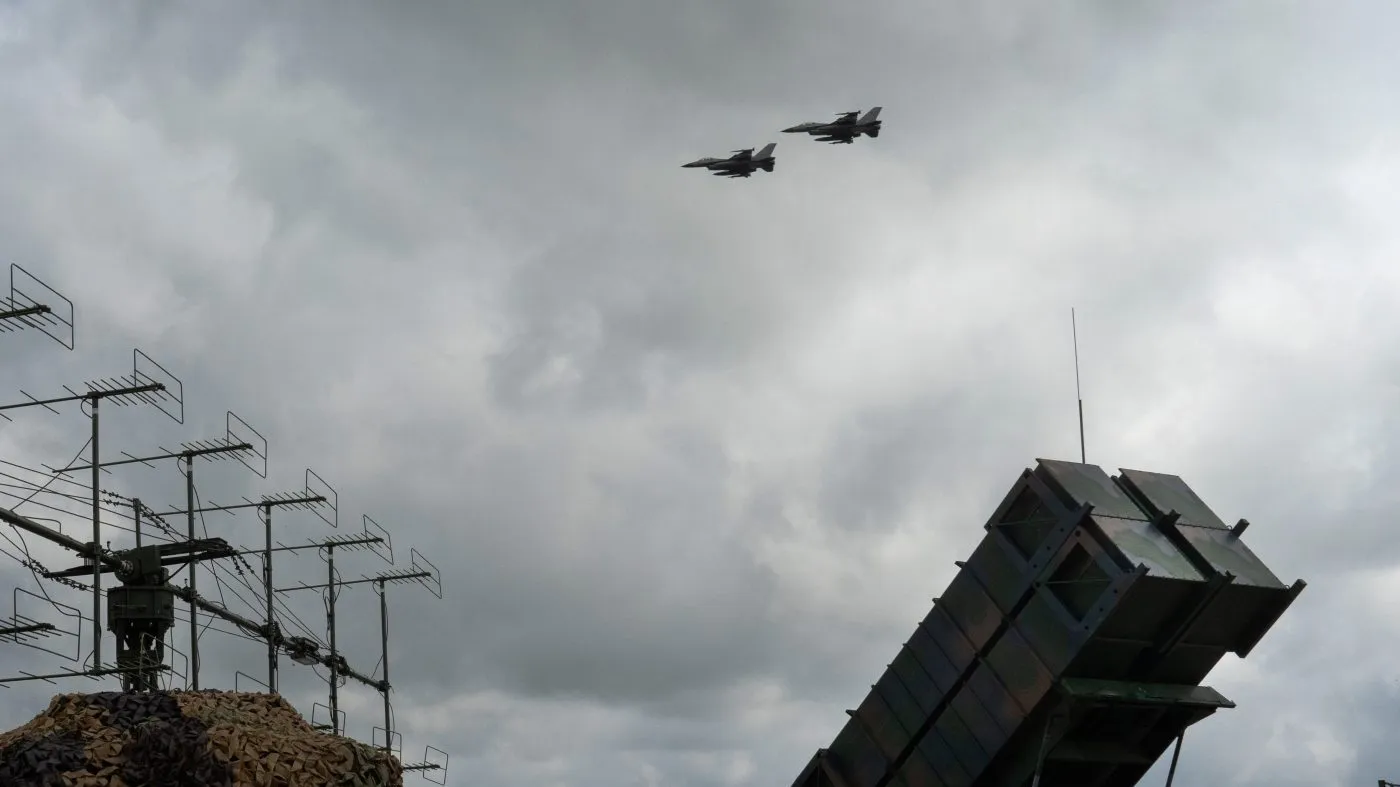
The State Department approved a potential $2.6 billion air defense equipment sale to Ukraine Friday as its conflict with Russia resumed following trilateral talks with U.S. special envoys.
In a congressional notification , the State Department wrote that the Ukrainian government requested S-300 Clone missiles, GAM-67 missiles, Range-Extended Air Defense Laser Guided Rocket missile systems, counter-drone radars and other related elements of logistics and program support.
The department continued that “if the proposed purchase is concluded, Ukraine would finance it using a combination of European contributions and U.S. Foreign Military Financing appropriated during the prior Administration.”
“The FMF [Foreign Military Sale] will be counted as a U.S. capital contribution to the Ukraine Reconstruction Investment Fund via a 1:1 reimbursement,” the agency stated.
The U.S. Embassy in Kyiv similarly posted on social media that the potential sale would “improve Ukraine’s capability to meet current and future threats” by “equipping it to conduct self-defense and regional security missions with a more robust air defense capability.”
President Trump also signed the Russia sanctions into effect Friday, which authorizes further sanctions and tariffs against Russia.
The bill — championed and named after late Sen. Lindsey Graham (R-S.C.) — called for the president to calls for the president to impose tariffs of up to 100 percent on the top five purchasers of Russian energy, or on countries helping Russia evade sanctions — even extending current sanctions on Iran
Ukrainian President Volodymyr Zelensky called the Russia sanctions bill “critically important” for his country.
“The best way to honor Lindsey’s memory will be to implement the provisions of this law fully and swiftly,” Zelensky said. “And the best reward for everyone helping us put pressure on Russia to end its war will be peace.”
The actions follow attempted trilateral peace talks between Moscow, Kyiv and U.S. special envoys Steve Witkoff and Jared Kushner, Trump’s son-in-law. Witkoff said the U.S. is confident that talks will result in a “ good resolution ” to the conflict after a weekend-long ceasefire was called for their visit.
The conflict, however, has reignited since peace talks, with Russia launching strikes against targets in Kyiv and other major cities earlier this week, according to Ukraine’s Defense Ministry . European Union Ambassador to Ukraine Katarina Mathernova confirmed that at least two people were killed and 10 injured in the strikes.
Zelensky, speaking at a press conference, said his country had pleaded to the U.S. and other allies to provide critical air defenses — particularly Patriot interceptors — to counter Russian ballistic missiles before the winter.
Topics in this story
Gathered from external sources. Rights to this text belong to whoever originally published it.