Netanyahu, Eisenkot meet to discuss unity government
Israeli Prime Minister Benjamin Netanyahu and opposition leader Gadi Eisenkot met on Sunday morning to discuss a proposed unity government, a major concession from the current prime minister as his political rivals inch closer to forming a coalition that could oust him from office. Netantahu offered to serve as alternate prime minister under a power-sharing…
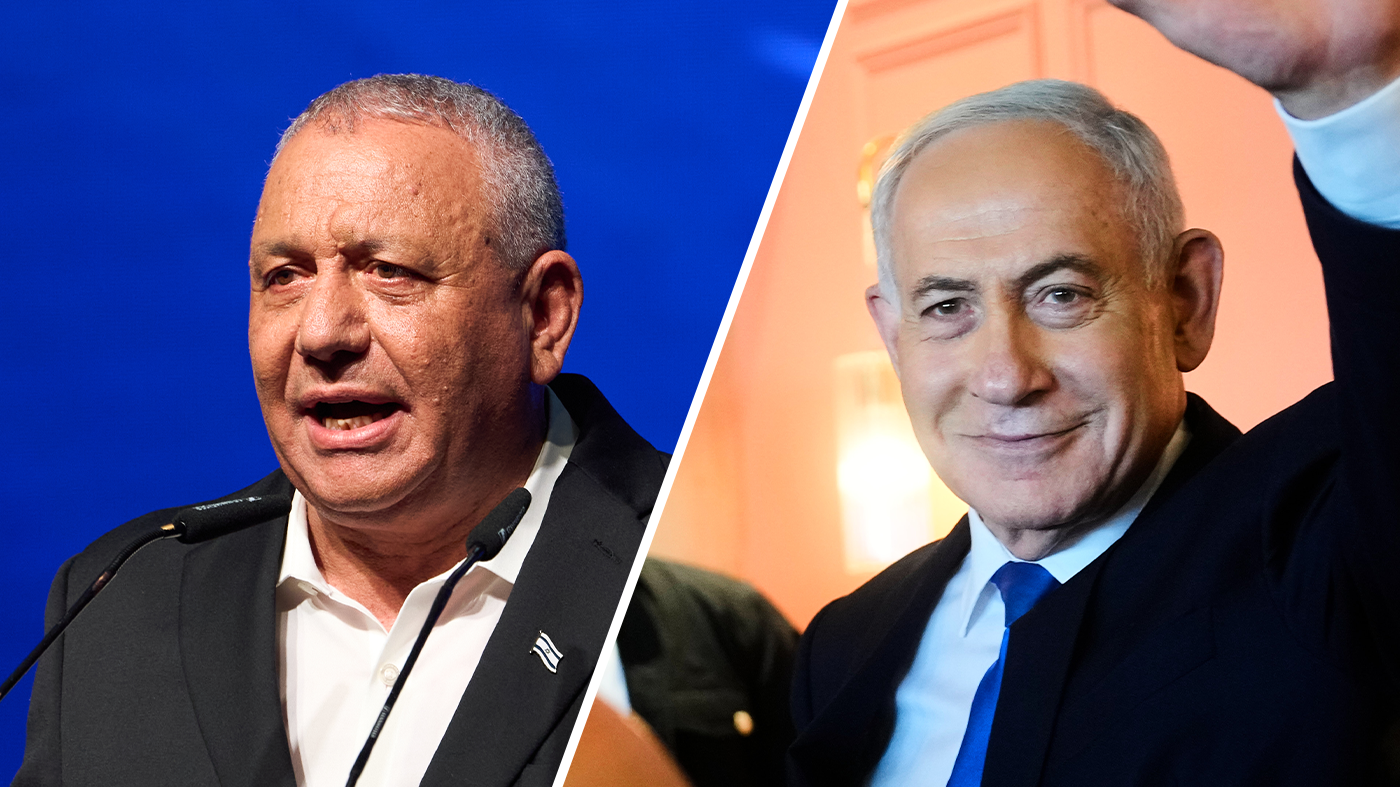
Israeli Prime Minister Benjamin Netanyahu and opposition leader Gadi Eisenkot met on Sunday morning to discuss a proposed unity government, a major concession from the current prime minister as his political rivals inch closer to forming a coalition that could oust him from office.
Netantahu offered to serve as alternate prime minister under a power-sharing agreement that would allow Eisenkot, a former Israeli military chief of staff, to hold the country’s top office before the two switch roles. It was the pair’s first known formal meeting since last month’s inconclusive parliamentary elections .
In a joint statement issued after the meeting, their parties said the leaders discussed “the formation of a national unity government,” with “both sides seeking to bridge the substantial differences between them,” according to The Associated Press .
The offer comes as Eisenkot faces a Dec. 6 deadline to form a government after being tapped by Israeli President Isaac Herzog earlier this month, despite Netanyahu’s attempts to discredit the votes with unsubstantiated claims that Arab-led parties had “stolen” the election, possibly with foreign interference.
If Eisenkot fails to assemble a governing coalition, Herzog could give Netanyahu an opportunity to do so, potentially setting the stage for another round of elections if neither leader succeeds.
Neither Netanyahu nor Eisenkot emerged from the Oct. 27 elections with a parliamentary majority. Nenyahu’s bloc won 53 seats in the 120-member assembly, which was far below the 68 it held at its peak in the previous parliament. Eisenkot’s bloc won 48 seats, while Arab-led parties picked up a combined 19 seats.
Netanyahu, Israel’s longest-serving prime minister, framed his offer as an effort to prevent a coalition reliant on Arab parties, which he has repeatedly attacked since the election.
“Without firing a single bullet, hostile elements will take control of the country from within,” Netanyahu said in a statement, warning against what he described as a “government of catastrophe.”
Eisenkot, who campaigned on removing Netanyahu from power, said Saturday that his party had spent weeks attempting to negotiate with Netanyahu’s Likud party but had been met with “refusal and evasion,” according to Reuters. He invited the prime minister to engage in substantive negotiations over party differences.
Topics in this story
Gathered from external sources. Rights to this text belong to whoever originally published it.