Israel leadership rivals clash over Iran threat
Gadi Eisenkot, who is tasked with forming the next Israeli govt, said he saw no immediate reason for attacking Iran Monday, contradicting caretaker PM
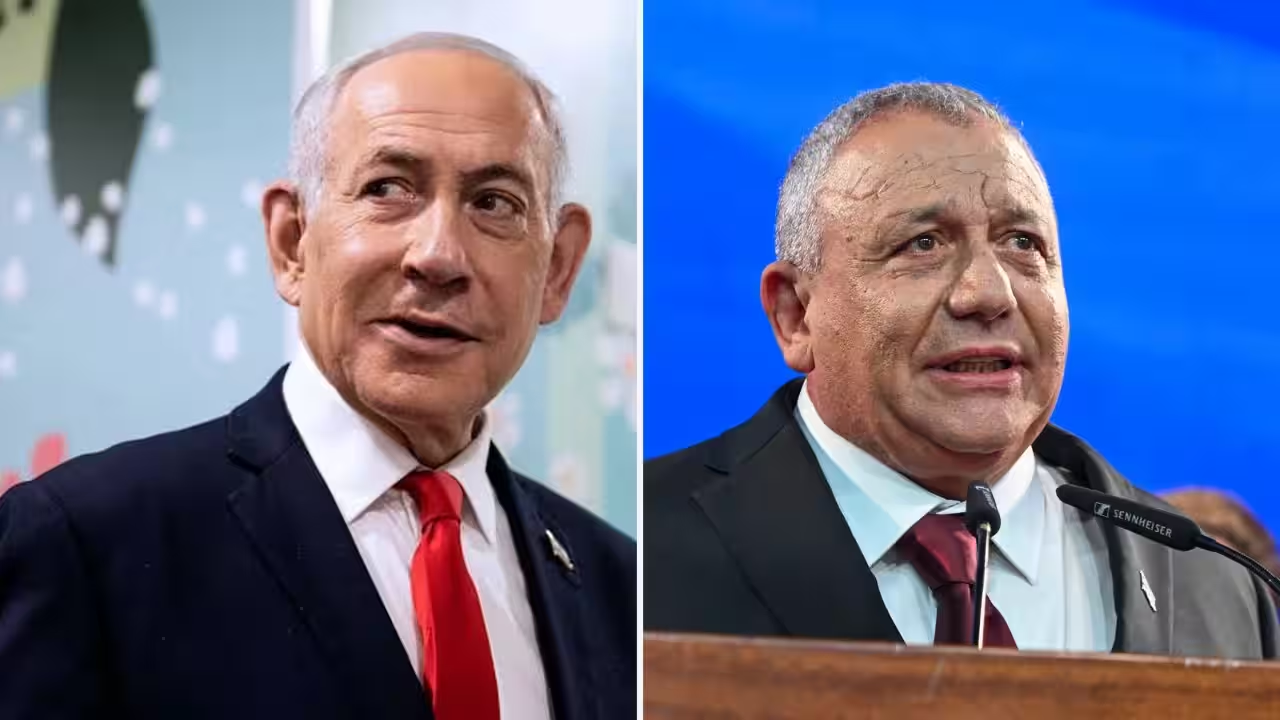
Gadi Eisenkot, who is tasked with forming the next Israeli govt, said he saw no immediate reason for attacking Iran Monday, contradicting caretaker PM Benjamin Netanyahu who warned against downplaying "grave threats".The remarks from both politicians came hours before their parties were due to meet for the third time to discuss possible coalition-building, after lengthy negotiations the day before delivered no breakthrough. Eisenkot has until Dec 6 - a deadline which can be extended by 14 days - to form a govt. Netanyahu has repeatedly pressed for a unity govt, which he says is needed to guarantee Israel's security.During a press briefing at Israel's parliament in Jerusalem Monday, Eisenkot said the "Iranian threat is the most serious threat to the State of Israel". "But at this moment I do not see a direct and immediate threat to the State of Israel that would require action before a government is formed," he added. Netanyahu in turn played up the need for unity "in the face of the great threats surrounding us". "Anyone who belittles or downplays these immediate, serious and grave threats surrounding us does so for political reasons," he said in televised remarks.Delegations from Eisenkot's centrist Yashar party and Netanyahu's right-wing Likud are due to meet Monday evening for a third round of negotiations, spokespeople for Likud and Yashar told AFP. Representatives from each party met for four hours Sunday and laid out their positions "on a range of substantive issues," but with no sign of a breakthrough.(This is an AFP copy)You use AI every day. Now get your AI Quotient. Take the AIQ test.
Topics in this story
Gathered from external sources. Rights to this text belong to whoever originally published it.