Since 2013, tourists have tossed coins into Japan’s Mount Fuji Oshino Hakkai ponds; about 50,000 were recovered amid concerns that corroding metal could affect the spring water
Rest of World News: Oshino Hakkai's beautiful spring-fed ponds at the foot of Mount Fuji have become unintended wishing wells, leading to the recovery of 50,000 coins. Local authorities warn of the potential environmental impact as they tackle the ongoing issue of coin tossing by tourists.
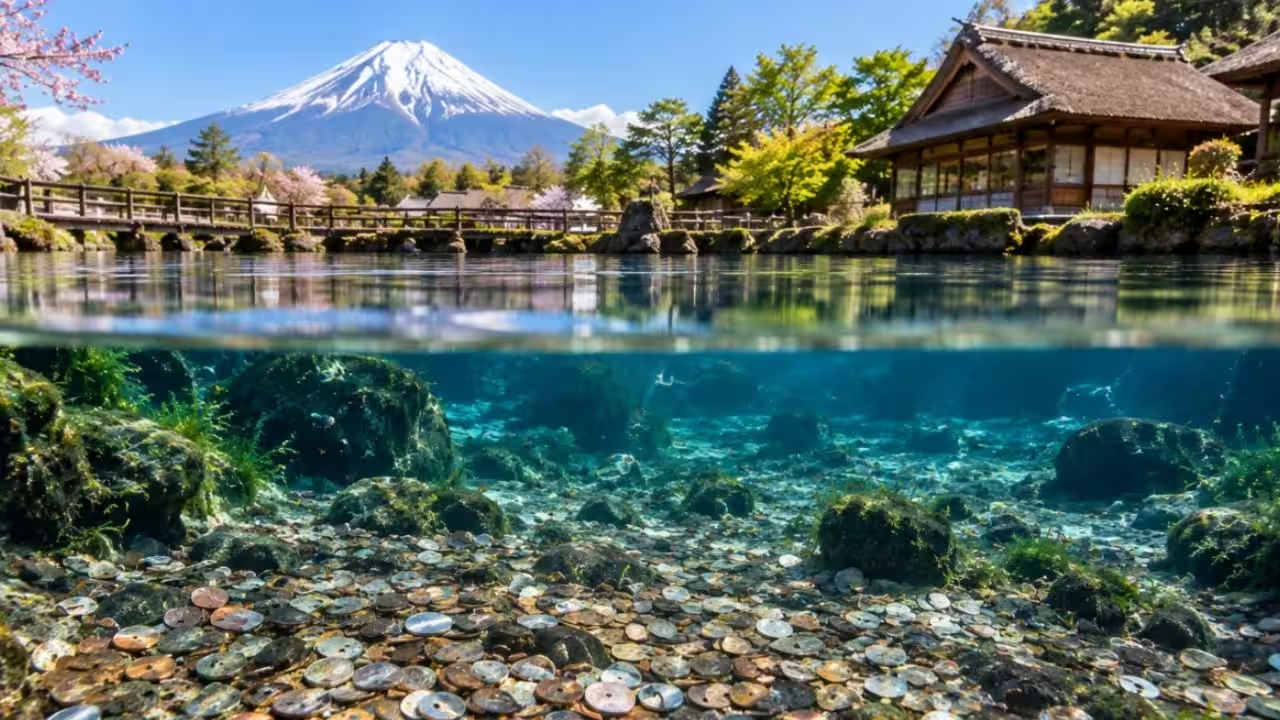
One of Japan’s most recognisable water landscapes lies at the foot of Mount Fuji. Oshino Hakkai in Yamanashi Prefecture, consisting of eight spring-fed ponds, is celebrated for its clear water and its connection to the mountain’s underground springs. But in 2013, after Mount Fuji was added to the UNESCO World Heritage list, local authorities began confronting an unusual challenge: visitors were tossing coins into the ponds as if they were wishing wells. Over the years, around 50,000 coins have been recovered, raising concerns about the possible longer-term effects of corroding metal on the springs.The coin-tossing behaviour was not necessarily created by the 2013 World Heritage inscription, though. Instead, the site associates noted an increase in the practice alongside the surge in visitors after the mountain received its UNESCO status. Oshino Hakkai had already received national protection decades before the World Heritage listing, having been designated a national natural monument by the Japanese government back in 1934.The 2013 UNESCO listing covered a much larger cultural landscape called ‘Fujisan, sacred place and source of artistic inspiration.’ Comprising 25 components, the property is associated with Mount Fuji’s religious traditions and cultural influence, with Oshino Hakkai’s springs included among them.The ponds were never traditional wishing wellsOshino Hakkai’s eight ponds are associated with underground water which originates from Mount Fuji. Japan’s official tourism describes the site as a group of ponds fed by spring water and points out the notable clarity of Wakuike. An explanation from the Japanese government’s online magazine suggests that snow and rain falling on Mount Fuji can travel underground for more than 20 years before emerging as spring water around Oshino Hakkai.Wakuike, the best-known of the ponds, is sufficiently clear for travellers to see several metres into the water. The Japanese National Tourism Organisation notes that the pond’s spring water is considered one of the features that make the Oshino Hakkai a popular tourist destination near Mount Fuji.Meanwhile, the coin-tossing practice allegedly appears to have come from visitors rather than from a local tradition. According to The Independent, the village officials believe foreign tourists began tossing coins into the ponds, with the behaviour increasing after the 2013 UNESCO recognition. Recovered coins have included currencies from several countries, thus supporting the view that international tourism contributed substantially to the issue.While visitors who are accustomed to tossing coins into fountains or wishing wells might find this practice harmless, at Oshino Hakkai, the objects end up in natural spring water, which could cause trouble for the clear water in future. Therefore, the village has repeatedly asked people not to throw coins or other objects into any of the eight ponds and has warned that retrieving them is difficult.Thousands of coins have been removed from the pondsRepeated collection operations made the scale of the problem clear. In 2016, volunteer divers carried out five collection efforts at Wakuike and recovered more than 18,000 coins, demonstrating that coins were not simply a handful of isolated objects; instead, substantial amounts had accumulated on the pond floor.The low temperature and depth of the water reportedly make retrieving foreign objects particularly challenging. Furthermore, the repeated need for divers means that simply removing the coins does not provide a permanent solution if visitors continue the coin-tossing practice, adding new ones into the springs.Several reports say approximately 50,000 coins had been recovered from the ponds over the years through several operations. The environmental concern centres on the metals in the coins, as different coins contain different combinations of metals, and prolonged water exposure might cause corrosion. Village officials have expressed that continued accumulation and deterioration could eventually affect the pond environment. This is, however, a potential long-term risk and not evidence that the ponds have already suffered a documented contamination event caused by the coins.Warnings replaced the idea of a wishing wellAuthorities increasingly focused on prevention as the practice persisted. Warning signs have been displayed in multiple languages, including Japanese, English, Chinese and Korean, requesting visitors not to throw coins into the spring. Additionally, the village has also explored a way of accommodating visitors who want to make a monetary contribution without putting coins into the water. Most recently, Oshino Village has introduced an environmental-preservation contribution box project that aims to redirect such money toward maintaining the site’s environment. The village’s objective is to provide visitors with an alternative while also protecting the ponds from further deposits and reducing the need for repeated underwater diving operations.Catch the latest World News and Live updates. Download the TOI app.
Topics in this story
Gathered from external sources. Rights to this text belong to whoever originally published it.