Iran speaker: Ball in Trump administration court to prevent renewed war
Iran’s chief negotiator says it’s on the United States to stop a return to all-out war after Tehran gave Washington a “firm and rational response” to its demands around nuclear weapons and opening the Strait of Hormuz. Mohammad Bagher Qalibaf did not specify what “response” he was referring to, though the comments came after the…
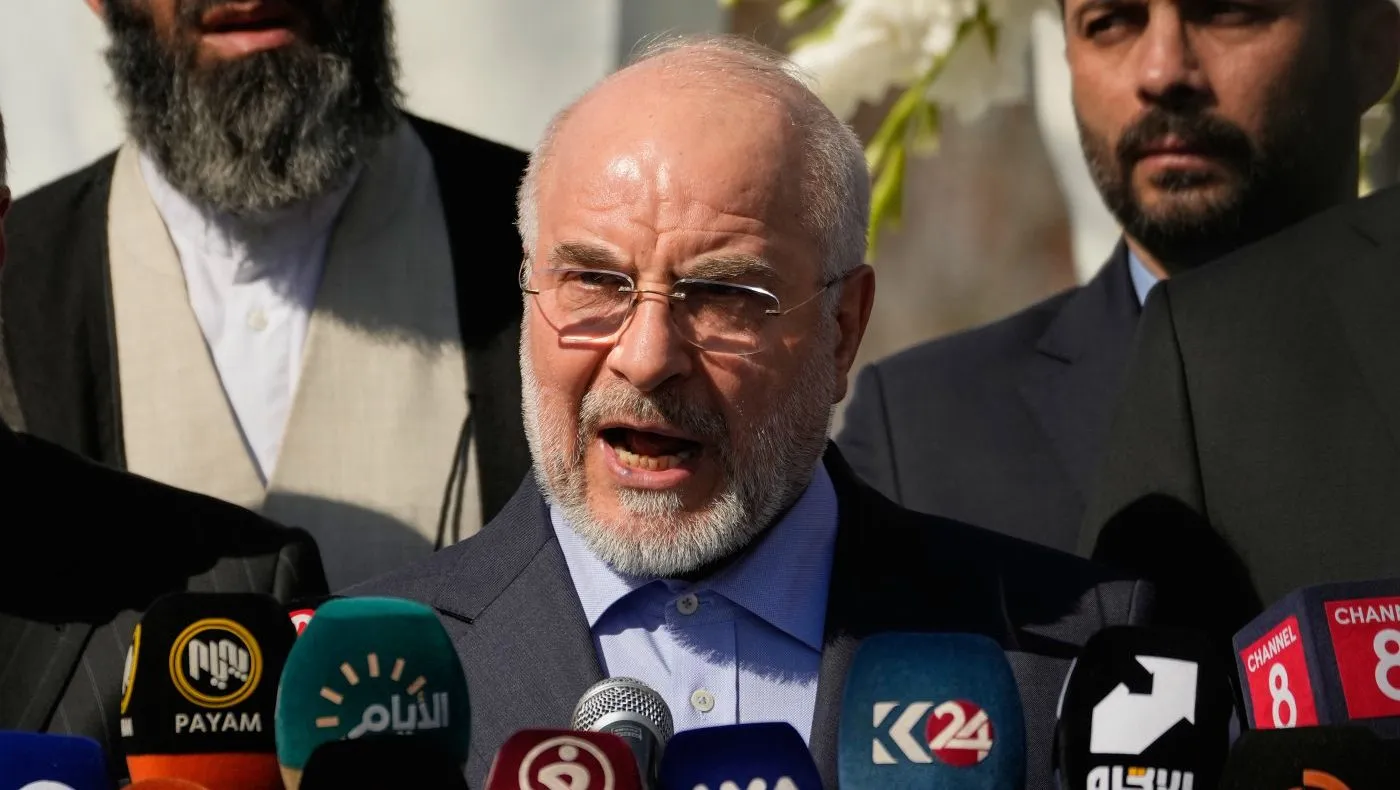
Iran’s chief negotiator says it’s on the United States to stop a return to all-out war after Tehran gave Washington a “firm and rational response” to its demands around nuclear weapons and opening the Strait of Hormuz.
Mohammad Bagher Qalibaf did not specify what “response” he was referring to, though the comments came after the U.S. on Monday conducted what it said were defensive strikes on an Iranian anti-aircraft facility on Qeshm Island and Hengam Island, both in the Strait of Hormuz.
President Trump on Tuesday confirmed the attack, which took place a day before the U.S. midterm elections, describing it as “minor” rather than a return to full conflict.
Speaking to Fox News by phone Tuesday, Trump said Washington watched as Iran spent roughly two months building the facility, which reportedly included radar detectors and missile launchers.
“We watched it get built, as soon as it was completed, we hit it last night very nicely,” he said.
Current diplomacy between the U.S. and Iran is shaky at best as both sides have been engaged in indirect talk s via Qatari mediators. Vice President Vance reportedly reached out to Iran’s security chief Mohsen Rezaei in recent days as part of efforts to restart talks.
Trump has given mixed messages as to what he plans to do next, for weeks threatening to authorize major combat operations against Tehran after the midterms while also pushing for a peace deal.
Vance on Monday said that he and Trump “both feel pretty good about the prospects for potentially coming to a negotiated settlement.”
The U.S.-Israeli war against Iran, which began Feb. 28 and led to Tehran’s closure of the vital Strait of Hormuz, has led to soaring fuel costs across the globe — an issue that has crippled the Republican Party ahead of elections.
Iran has made any concessions on the strait or its nuclear program contingent on the U.S. lifting its naval blockade on Iranian ports, waiving sanctions on Iranian oil sales, and demanding a ceasefire between Israel and Hezbollah in Lebanon, among other stipulations.
“America’s response to Iran’s rights and demands was not convincing, and they must fully and explicitly address Iran’s seven conditions and act upon them,” Rezaei wrote on social media Tuesday. “Only in this case will the Strait of Hormuz be reopened.”
Topics in this story
Gathered from external sources. Rights to this text belong to whoever originally published it.