UN pushes nations to consider slavery reparations but legal group says idea 'not going to fly in the US'
The United Nations says countries are legally obliged to consider slavery reparations and implement restorative justice for racial discrimination.
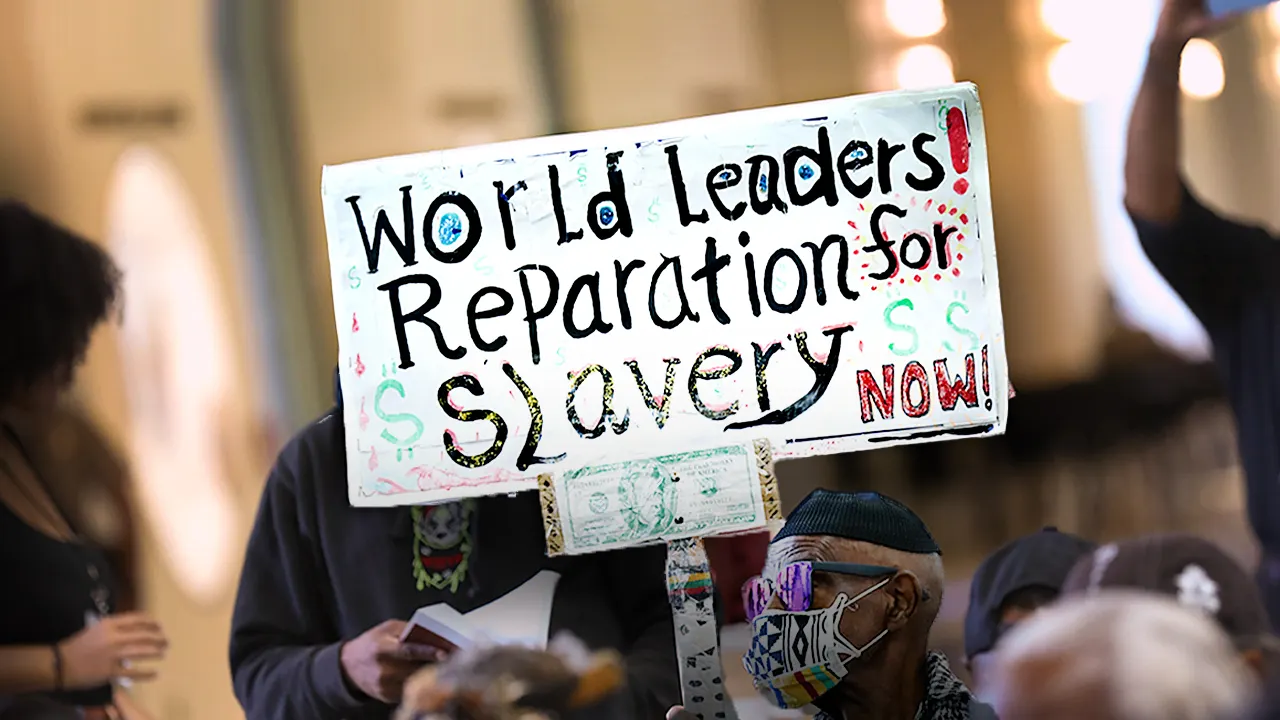
The United Nations (UN) said on Monday that countries are legally obliged to consider reparations for the transatlantic slave trade and other measures to address what it says is the enduring legacy of racial discrimination, but an attorney seeking to shut down the effort insists it won't work in the U.S. The Committee on the Elimination of Racial Discrimination (CERD) is calling on "States to implement comprehensive restorative justice, combining compensation, restitution, rehabilitation and structural reforms," the UN News reported. "Irrespective of the legal characterization of the original historical acts, States Parties remain bound by their present obligations under the Convention to address structural inequalities," the UN document states. Guidance published by the Committee on the Elimination of Racial Discrimination stated that the obligations stem from a legally binding 1965 convention on racial discrimination, not from the legal standards that existed during the slave trade era. 1619 PROJECT CREATOR CLAIMS PAYING REPARATIONS WOULD BE ADMISSION THAT US EXISTENCE IS A 'CRIME' "It's just outrageous that the United Nations comes in and tells countries that they have to give free money away to their citizens," Michael Bekesha, a senior attorney at Judicial Watch, told Fox News Digital. "I mean, who are they to say what we can and can't do? The bigger issue for Judicial Watch and something we'll be watching is if the States were ever to do something like this, they would have to follow our Constitution and our laws, and the UN doesn't care about that … whatever the UN is thinking isn't going to be constitutional and is not going to fly in the United States." Bekesha made the comments after the DOJ joined their class action lawsuit challenging the Local Reparations Restorative Housing Program in the City of Evanston, Illinois. TRUMP ADMIN VOWS TO STOP REPARATIONS PROGRAMS, ACCUSES OFFICIALS OF 'VIRTUE SIGNALING' TO GET 'VOTES' The DOJ contends the Chicago suburb's initiative unlawfully distributes public benefits based strictly on race and ancestry. The DOJ’s proposed complaint alleges that the program violates the Equal Protection Clause of the Fourteenth Amendment, as well as the Fair Housing Act, because the housing-related financial assistance is distributed on the basis of race. The litigation began in May 2024 when Judicial Watch, a conservative legal group, filed a class-action lawsuit on behalf of six non-Black descendants of Evanston residents, arguing they were unconstitutionally excluded from the program. The announcement came after the U.N. General Assembly adopted a resolution earlier this year declaring the transatlantic slave trade the gravest crime against humanity and for member states to pursue reparations to rectify "historical wrongs." The implementation of reparations has been a growing trend in the United States, spanning from the East to West Coast. Evanston, Illinois was the first U.S. municipality to establish a reparations program and later began providing $25,000 benefits to eligible Black residents and descendants to address the city's history of housing discrimination. CHICAGO SUBURB LOCALS HOPE REPARATIONS ADDRESSES 'AFFORDABILITY PRESSURES' AS BLACK POPULATION DWINDLES Despite efforts to issue reparations, some of these programs are facing obstacles due to budgetary or legal pressures. While some states and local governments push for reparations, "financial compensation alone is not sufficient," according to the CERD. The committee additionally called for comprehensive measures beyond financial compensation. "It also advocates for comprehensive and far-reaching remedial measures, both financial, non-financial and structural, including restitution, compensation, rehabilitation, satisfaction and guarantees of non-recurrence," UN News reported. Reparations can take many forms but broadly refer to payments or other compensation intended to address harms suffered by Black Americans and their descendants because of slavery or discriminatory government policies. "To ensure the effectiveness of reparations, they advocate the implementation of national action plans with specific deadlines, developed in consultation with people of African descent and the committees in charge of reparations," UN News reported. Bekesha added that reparations are by nature discriminatory. "The Evanston case of Judicial Watch in the United States were to win this case, it would show not only the United Nations but every other state and city in the United States that you cannot in the United States provide benefits to individuals solely based on the color of their skin," Bekesha said. CLICK HERE TO DOWNLOAD THE FOX NEWS APP
Topics in this story
Gathered from external sources. Rights to this text belong to whoever originally published it.