London homeowner ordered to repay £225,000 to Thames Water after High Court finds she claimed her flood-hit home was unsaleable despite selling it for £780,000
A London homeowner has been ordered to repay £225,000 to Thames Water after the High Court found that she pursued a compensation claim describing her
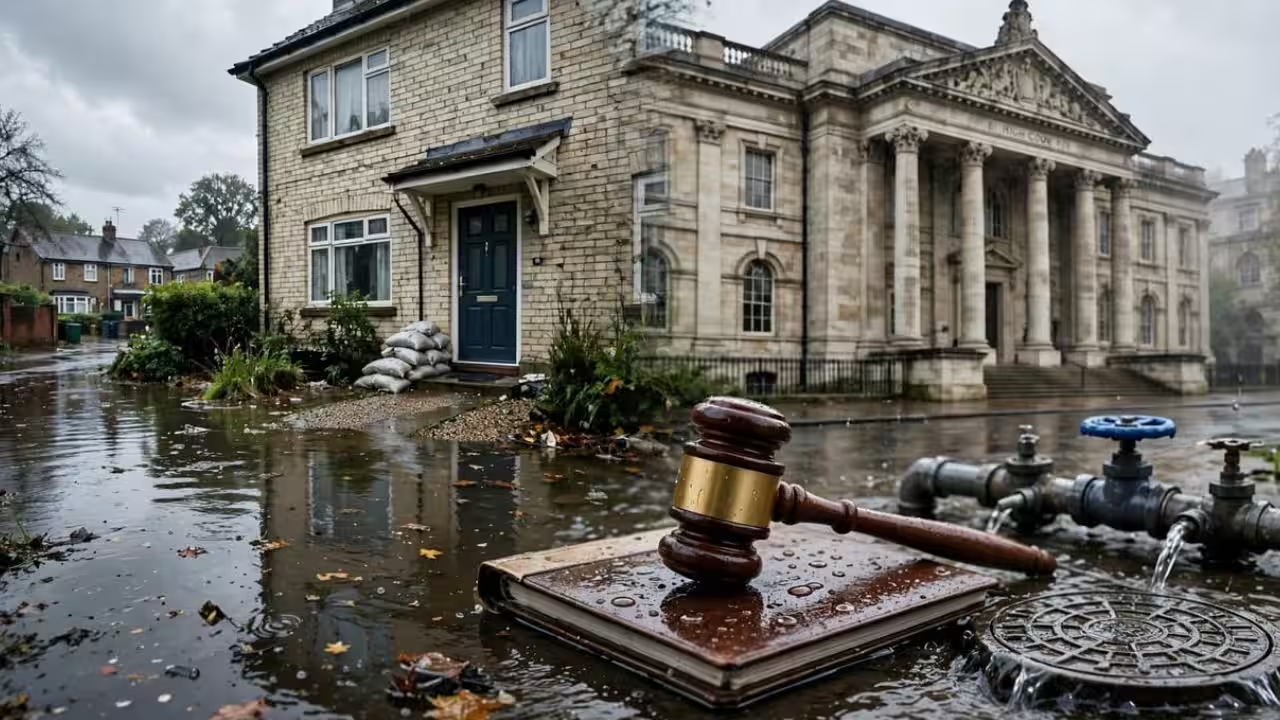
A London homeowner has been ordered to repay £225,000 to Thames Water after the High Court found that she pursued a compensation claim describing her flood-hit property as unsaleable even though she had already sold the property. Karen Imber’s home in Woodford Green, Essex, suffered sewage flooding in 2006, 2007 and 2014.According to International Comparative Legal Guides (ICLG), she brought a claim against the water company for losses caused by the flooding and agreed to a £225,000 settlement in September 2023.However, Thames Water later discovered that Imber had accepted an offer of £780,000 for the property before mediation and completed the sale on 3 August 2023. On 23 October 2026, the High Court rescinded the settlement after finding that the claim involved fraudulent misrepresentation and dishonesty.How did a house sale lead to a £225,000 Thames Water repayment orderDeputy Master Marzec granted summary judgment in favour of Thames Water after finding no real prospect that Thames Water would fail to establish misrepresentation, reliance and dishonesty. Imber had claimed that she was trapped in the property because it was unsaleable. However, she had already accepted an offer to sell the house before the mediation and completed the sale on 3 August 2023.The court found that the completed sale fundamentally changed the factual basis of her claim for a reduction in property value. Thames Water had agreed to pay £225,000 on 6 September 2023 without being informed that the property had been sold. The judge rescinded the settlement agreement and ordered Imber to repay the full amount.Repeated sewage flooding led to a second Thames Water claimImber’s home in Woodford Green, Essex, was flooded by sewage water in 2006 and 2007. She sued Thames Water, and those proceedings concluded in 2013 with a £500,000 settlement agreement. The property flooded again in 2014, prompting her to bring another claim against the company for uninsured losses caused by the flooding. Thames Water denied liability but continued to engage in correspondence.During mediation in 2023, Imber said she was trapped in the property and described it as unsaleable. An expert report valued the property at £817,000 on the hypothetical basis that it had never suffered flooding. Her additional claims covered relocation costs, increased insurance and mortgage premiums, legal costs, distress and inconvenience, totalling £144,000.How did a £780,000 house sale lead to a Thames Water fraud claimThames Water disputed that the flooding had reduced the property's market value and argued that it could be sold for its full market value. Nevertheless, the company agreed to the £225,000 settlement on 6 September 2023. It later discovered that Imber had accepted a £780,000 offer before the mediation and completed the sale on 3 August 2023.The company then brought a claim alleging fraudulent misrepresentation. Imber denied acting dishonestly or fraudulently by failing to correct her statement during mediation. Deputy Master Marzec held that describing the property as unsaleable implied that it had not been sold and that there was no prospect of a future sale. Those implied representations became false when the transaction was completed.High Court orders homeowner to repay £225,000 to Thames WaterDeputy Master Marzec found that Thames Water had relied on the false representation when agreeing to the settlement. He said it was impossible to imagine that the company would have reached the same agreement if Imber had corrected the statement. The judge applied the honesty test established by the Supreme Court in Ivey v Genting Casinos (2017), considering the defendant’s knowledge and beliefs before assessing her conduct against the standards of ordinary decent people.He held that continuing to pursue and settle a claim based on a property being unsaleable, without disclosing that it had been sold, would plainly be regarded as dishonest. The court found no real prospect that Thames Water would fail to establish misrepresentation, reliance and dishonesty. The settlement was rescinded, and Imber was ordered to repay £225,000.Disclaimer: This article is based on publicly available information. The Times of India has not independently verified the court proceedings, settlement details, repayment order, or other circumstances mentioned. The information should not be interpreted as an independent legal assessment or as confirmation from the parties involved.You use AI every day. Now get your AI Quotient. Take the AIQ test.
Topics in this story
Gathered from external sources. Rights to this text belong to whoever originally published it.