Flood-hit Nepal sees child-trafficking risk rise; 102 children in camps without families
South Asia News: Flood-hit Nepal faces heightened child-trafficking risk as 1,283 children live in relief camps and 102 are without family; NGOs plan checkposts and monitoring.
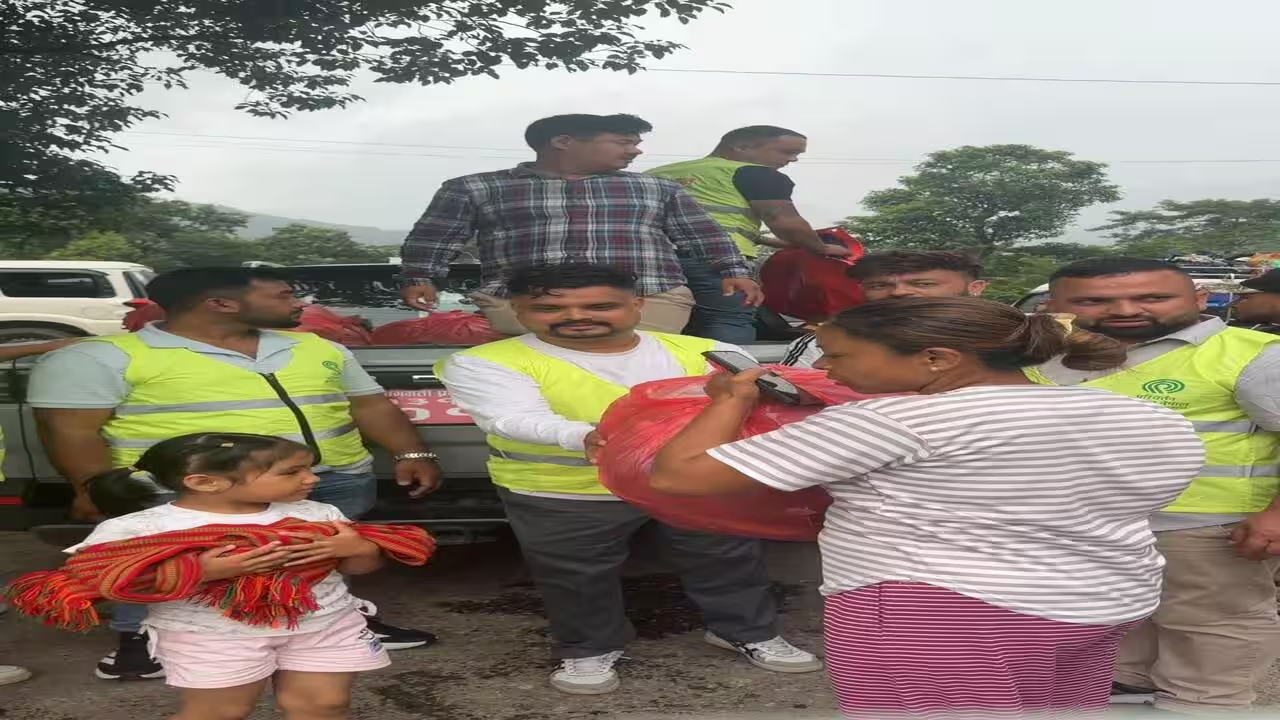
DEHRADUN:The risk of child trafficking has risen sharply in flood-hit Nepal, where at least 1,283 children are living in relief camps and 102 have no family members with them, prompting anti-trafficking groups to plan road checkposts, identify vulnerable children and monitor camps in areas devastated by the Aug 26 flash floods. Unicef has separately said more than 22,000 children urgently need sanitation, hygiene and food assistance.Anti-trafficking activists said the exact number of children who lost their entire families in the disaster was still unclear, making early identification particularly important. Anjila Dahal, who has worked on anti-human trafficking for eight years, told TOI that the 2015 earthquake had shown how quickly trafficking patterns could shift after a disaster. “We saw a significant move from cross-border trafficking to internal trafficking, with children from affected areas being taken to Kathmandu and Pokhara and pushed into snack houses, spas and massage centres. That is why we are more vigilant this time,” she said.Dahal said her organisation, whose name was withheld because of safety concerns for field activists, was focusing on prevention rather than waiting for trafficking cases to emerge. “We need to reach vulnerable communities early and stop children from falling into trafficking in the first place. We are planning checkposts on connecting roads in Nuwakot and Kispang, as in 2015 disaster, we had rescued children from vehicles carrying relief material. We are also monitoring relief camps sheltering children who have been left alone,” she said, adding that the NGO was prepared to move the most vulnerable children to shelter homes until their safety was secured.At a relief camp in Betrawati near Trishuli, Nepal-based NGO Karmayog Foundation’s founder Saurab Rimal said around 55 people were staying there, including 20 children, of whom five had no family member looking after them. “The children are aged between four and 15. Teenagers understand something of what has happened, but the younger children keep crying for their missing parents. It is heartbreaking, and the trafficking threat has made the situation even worse,” Rimal said.KIN India, which works to prevent cross-border human trafficking, has also deployed activists in affected areas to identify vulnerable children. Representative Naveen Joshi said difficult terrain and disrupted connectivity had slowed data collection, but teams would continue gathering information and coordinate with authorities for protective measures.Rasuwa chief district officer Narendra Pariyar said local bodies were running relief camps with support from NGOs and that the administration was alert to trafficking risks. “Relief camps for survivors, including children, are being run with the required facilities, and the administration is fully aware of the trafficking risk and is taking steps to mitigate it,” he said.The heightened vigilance reflects lessons from Nepal’s 2015 earthquake, when displacement, family separation and economic distress created new opportunities for traffickers. Activists said the immediate challenge now was to identify children separated from relatives, verify guardianship and stop anyone from moving them out of affected areas without scrutiny.Catch the latest World News and Live updates. Download the TOI app.
Topics in this story
Gathered from external sources. Rights to this text belong to whoever originally published it.