Lutnick’s last-minute demands derailed Canada trade talks: Reports
Commerce Secretary Howard Lutnick’s interventions in the U.S.-Canada trade talks helped the weeks-long negotiations fall apart, according to multiple reports, thrusting the two countries into a trade war. U.S. and Canadian officials had felt good about an outline of a trade deal struck last Tuesday ahead of the original Wednesday deadline. President Trump took to…
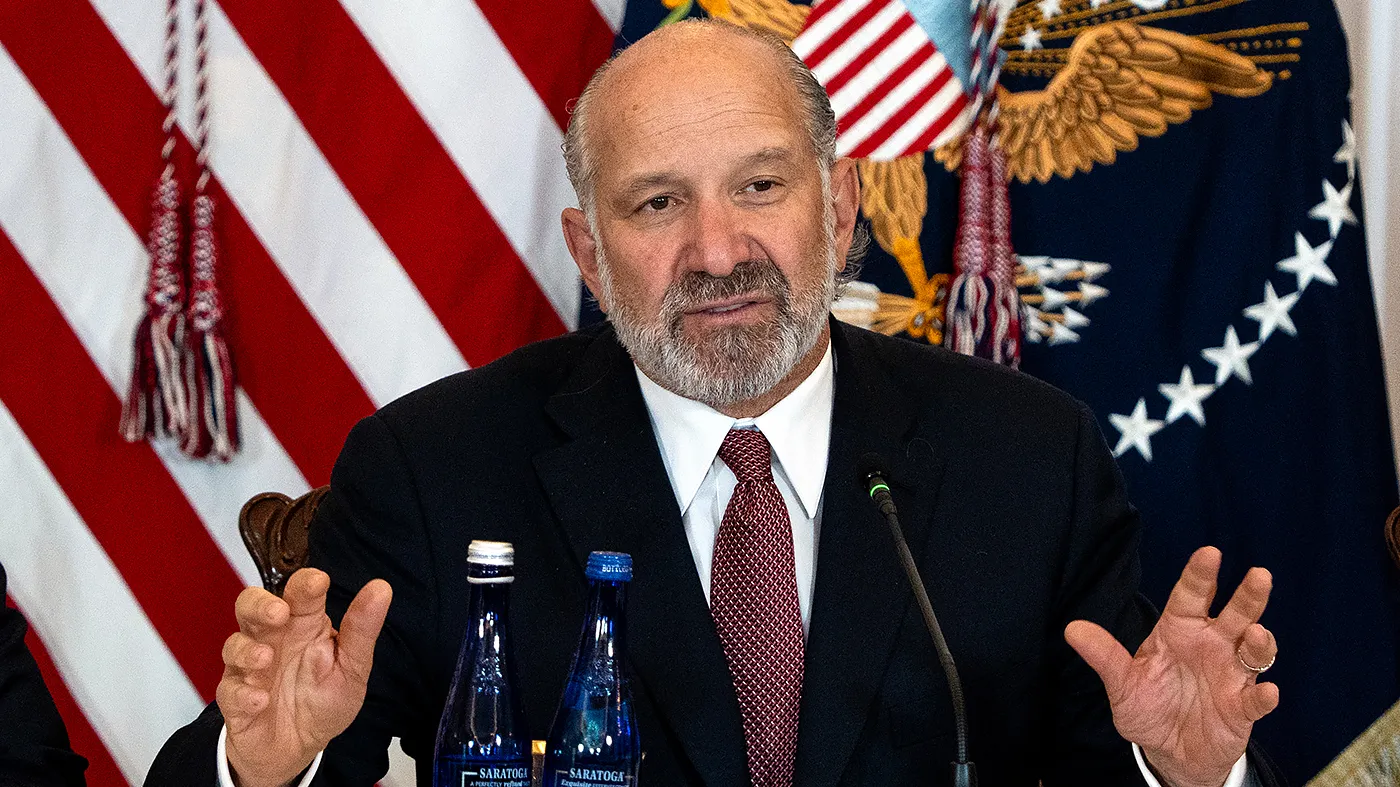
Commerce Secretary Howard Lutnick’s interventions in the U.S.-Canada trade talks helped the weeks-long negotiations fall apart, according to multiple reports, thrusting the two countries into a trade war .
U.S. and Canadian officials had felt good about an outline of a trade deal struck last Tuesday ahead of the original Wednesday deadline. President Trump took to social media to say that a deal had been struck, and he was pausing the 50 percent tariffs on some Canadian goods until Friday to finalize the paperwork.
But Lutnick was leery of Canadian proposals that would lower the tariff on autos to a level lower than what he wanted, according to The New York Times . He said instead that only a certain volume of aluminum should get lower tariff rates, and that heavy trucks should not have tariffs lowered like cars.
Canada produces some heavy trucks at the General Motors and Ford plants in Ontario.
Canadians put the blame on Lutnick for moving the goalposts at the eleventh hour, according to Bloomberg , while some business leaders were happy he was making demands on a deal they saw as hurting the U.S. metals industries.
When asked Saturday whether Lutnick’s involvement in the final days of negotiations was an impediment, Canadian Prime Minister Mark Carney said that’s “a question for the U.S. administration.”
Carney said his Canadian team was “unified … but you cannot say that about the United States administration.”
The talks between the U.S. and Canada fell apart on Friday, just hours before the tariffs were set to go into effect on items including wine, hockey sticks, cement and others.
Canada vowed to “match those tariffs dollar for dollar.” The tariffs apply to around $20 billion of Canadian goods.
Since then, Trump has threatened further hits on Canada — in the form of 50 percent tariffs on cars, trucks, auto parts and steel that would go into effect on New Year’s Day.
He accused Canada of “ripping off the United States of America for years” in a Truth Social post.
“On Trade, and in other ways, also, they are among the worst Nations in the World to deal with,” he wrote. “They feel entitled, and yet, WE DON’T NEED CANADA, THEY NEED US! They do 95% of their business with the U.S., with us, the exact opposite!”
Canada said Monday it is expected to unveil retaliatory tariffs on the U.S. on Tuesday. They would go into effect on Sept. 8.
Topics in this story
Gathered from external sources. Rights to this text belong to whoever originally published it.