Diwali 2026 Puja Guide: Puja Vidhi, Laxmi Pooja Shubh Muhurat, Mantras, and everything you need to know
Ask anyone what Diwali looks like and you’ll hear about diyas on the windowsill, rangoli at the door, new clothes, boxes of mithai and relatives crowding
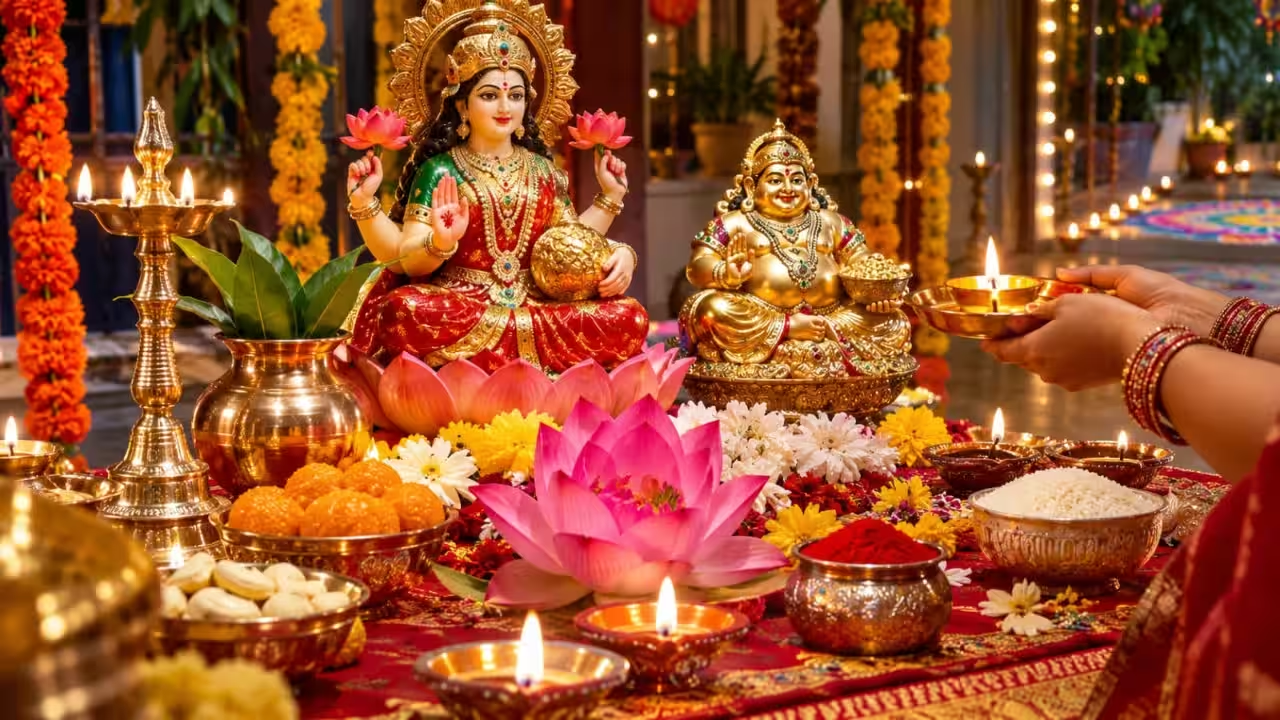
Ask anyone what Diwali looks like and you’ll hear about diyas on the windowsill, rangoli at the door, new clothes, boxes of mithai and relatives crowding into one living room. All of that is real. But under the sparkle sits an older idea that people keep coming back to every year: light wins over darkness, knowledge over ignorance, and hope over despair. It’s one of the biggest festivals in India, and for many families it’s the time of year to ask for blessings, welcome prosperity and start fresh.This year Diwali falls on Sunday, November 8, 2026. The main focus is the worship of Goddess Lakshmi, who is associated with wealth and well-being, together with Lord Ganesha, the one who clears obstacles from our path. Below is a plain walkthrough of why the festival is celebrated, when to do the puja, how to do it, and which mantras go with which day.Why do we celebrate Diwali?The word Deepawali comes from two Sanskrit words: deepa, meaning lamp, and avali, meaning row. So the name literally describes what you see on the festival night, long lines of small flames lighting up homes, lanes and public spaces.The best-known story comes from the Ramayana. After fourteen years in exile, and after defeating Ravana, Lord Rama came back to Ayodhya with Sita and Lakshmana. The city welcomed them by lighting earthen lamps along their path, and the custom has survived ever since.That’s only one version, though. Different regions and communities hold different stories close. Some link the day to Lord Krishna’s victory over the demon Narakasura. Others see it mainly as the day to honour Lakshmi and begin a new, hopeful chapter. What they share is the sense of good prevailing over bad.There’s a quieter lesson in it too. Prosperity isn’t only about money. Good health, people who care about you, a sense of contentment and the sense to spend wisely all count, and Diwali is a decent moment to remember that.Lakshmi Puja Shubh Muhurat and Amavasya timingsAccording to Drik Panchang, Lakshmi-Ganesha Puja is traditionally done during Pradosh Kaal, the period after sunset, while the Amavasya Tithi is in effect. Many astrologers also suggest choosing a fixed Lagna, which is believed to be favourable for worshipping Lakshmi.The fixed Lagna windows listed for November 8, 2026 are:Kumbha Lagna (Aquarius): 01:18 PM to 02:55 PMVrishabha Lagna (Taurus): 06:12 PM to 08:12 PMSimha Lagna (Leo): 12:38 AM to 02:47 AM on November 9The Amavasya Tithi starts at 11:27 AM on November 8 and ends at 12:31 PM on November 9.For most households, the Vrishabha Lagna is the one that matters, because it overlaps with Pradosh Kaal. That makes the early evening, roughly 6:12 PM to 8:12 PM, the window most families aim for. Tradition names four fixed signs for this puja: Vrishchika, Kumbha, Vrishabha and Simha. The belief is that worship done in a fixed Lagna brings steadier, longer-lasting prosperity.One caution: these timings are for Manwat, India, as published by Drik Panchang. Muhurat times shift from place to place, so check a local Panchang for your own city before you sit down for the puja.Diwali puja vidhi: how to worship Lakshmi and GaneshaLakshmi Puja is the heart of the festival. It’s done to ask for happiness, good fortune and wellbeing for the household.Most of the preparation happens before the evening. People clean the house thoroughly, since a tidy home is considered the right way to invite Lakshmi in, then decorate the entrance with rangoli, flowers and diyas.Here’s a simple outline of the puja itself:Set up the puja space. Clear a clean platform or chowki and place idols or pictures of Lakshmi and Ganesha on it.Gather the samagri. Keep flowers, fruits, sweets, incense, a diya, rice, kumkum and sandalwood paste within reach, along with any other offerings your family customarily makes.Start with Ganesha. He is prayed to first so the rest of the worship goes without hindrance.Worship Lakshmi. Offer flowers, sweets and fruit while chanting Lakshmi mantras.Light the lamps. Place diyas in the puja area and in different corners of the house.Finish with aarti. Sing the Lakshmi-Ganesha aarti and ask for blessings for everyone at home.Families do this in slightly different ways, and that’s fine. Customs vary by region, and many households follow what their grandparents did. The common thread is welcoming prosperity with gratitude, in a calm and clean home.Important mantras and their meaningsMantras give the mind something to hold onto during prayer. The ones below belong to Lakshmi Puja and to the days around it.Lakshmi MantraOm Hreem Shreem Lakshmyai Namah॥Meaning: I bow to Goddess Lakshmi, the giver of wealth and prosperity.Yamadeep MantraMrityuna Pashadandabhyam Kalen Shyamaya Saha।Trayodashyam Dipadanatsuryajah Priyatam Mama॥Meaning: On Trayodashi, this lamp is offered to Yama, the son of Surya. May he keep devotees safe from the noose of death and grant them wellbeing.Narak Chaturdashi Deepdan MantraDatto Dipashchaturdashyam Narakapritaye Maya।Chaturvartisamayuktah Sarvapapapanuttaye॥Meaning: This lamp with four wicks is offered on Chaturdashi to please the deity linked with Naraka and to remove sins.Govardhan MantraGovardhana Dharadhara Gokulatranakaraka।Bahubahukritachchaya Gavam Kotiprado Bhava॥Meaning: O Govardhana, protector of Gokul, held up by Lord Krishna, bless your devotees with abundance.Keep in mind that these belong to different days and rituals within the larger festival. You don’t need all of them on the night of Lakshmi Puja. The first one is the main chant for that evening.The five days of DiwaliDiwali isn’t a single evening. It’s a five-day festival, and each day has its own meaning.Dhanteras opens the celebrations. It’s tied to health, prosperity and the worship of Lord Dhanvantari.Naraka Chaturdashi, also called Choti Diwali, remembers Krishna’s victory over Narakasura.Diwali itself is the main evening, given to Lakshmi-Ganesha Puja.Govardhan Puja recalls Krishna lifting Govardhan Hill to shelter the people of Gokul.Bhai Dooj closes the festival by celebrating the bond between brothers and sisters.Get the latest movie news, reviews, and celebrity updates. Download the TOI App.
Topics in this story
Gathered from external sources. Rights to this text belong to whoever originally published it.