Iran warns vessels of fines, detention for violating Strait of Hormuz rules
Iran’s Persian Gulf Strait Authority (PGSA) on Sunday warned that it will fine and detain commercial vessels accused of violating its protocols for passing through the Strait of Hormuz. The PGSA stated on social media that 45 named vessels have been blacklisted and could have their cargoes confiscated. “Effective immediately, any vessel cooperating with listed…
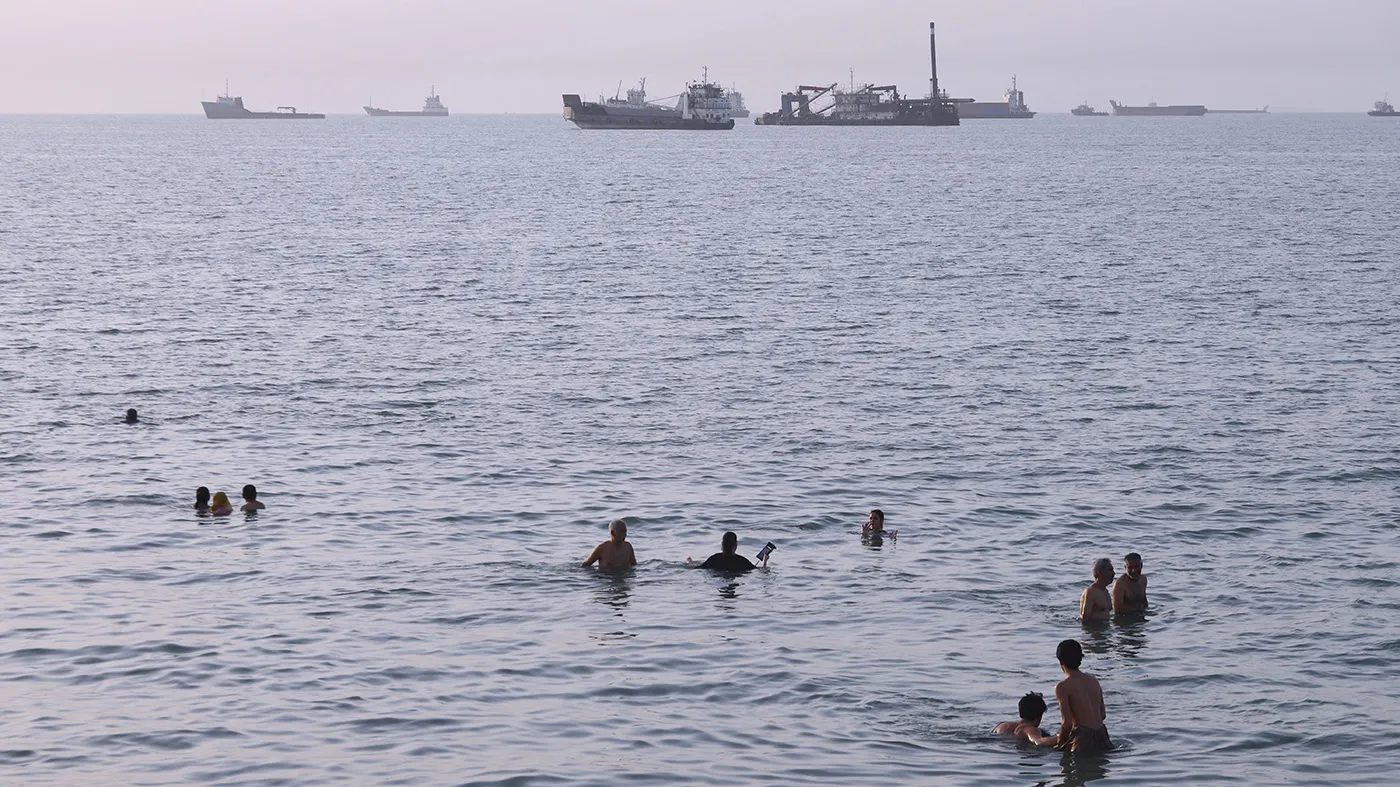
Iran’s Persian Gulf Strait Authority (PGSA) on Sunday warned that it will fine and detain commercial vessels accused of violating its protocols for passing through the Strait of Hormuz.
The PGSA stated on social media that 45 named vessels have been blacklisted and could have their cargoes confiscated.
“Effective immediately, any vessel cooperating with listed vessels … will be added to the list,” the PGSA wrote on the social platform X, adding that the owners of these vessels can submit a formal application to request their removal from the blacklist.
Some of the ships on the PGSA’s blacklist include several ships owned by the United Arab Emirates’s ADNOC Logistics and Services and Saudi Arabia’s national shipping carrier Bahri, Reuters reported .
Treasury Secretary Scott Bessent warned countries on Monday to cut their financial ties with Iran as the U.S. carries out “Operation Economic Outcast,” marketed as an “economic D-Day,” in reference to the U.S. invasion of Normandy Beach in World War II.
“Well, we are giving everyone the opportunity to remedy bad behavior, why would I want to blow up the global financial system?” Bessent responded to a question about the lack of details about the plan.
Bessent said that President Trump was making calls to world leaders, with the Defense, Treasury and State departments contacting their counterparts with the same warning.
Trump hinted at the “economic D-Day” last week, saying it would be a “CRUSHING” economic operation against Iran.
The PGSA was also targeted, with the Treasury Department sanctioning the new body out of Tehran, one of 60 entities, individuals and vessels related to Iran’s nuclear and missile technology programs and its ability to conduct cyber operations and generate oil revenue.
The Trump administration said its goal in going to war with Iran since Feb. 28 was to prevent it from developing and obtaining a nuclear weapon. Iran has retaliated militarily over the last six months while also shutting down the Strait of Hormuz, where roughly 30 percent of the world’s crude oil is exported.
Iran’s hold over the strait has caused global gas prices and inflation to rise. The national average for gas in the U.S. reached $4.09 per gallon on Monday, nearly $1 more than the average last year, according to data from AAA .
Negotiations to reopen the strait and permanently end the war have stalled after both countries initially signed an interim peace deal in June. After a period last month when both countries exchanged strikes, Trump has vowed to crush Iran through economic warfare.
Bessent hinted Sunday that this economic warfare will usher in a final phase of the conflict.
“We are now entering the endgame. At dawn begins an economic D-Day — the single greatest financial offensive ever marshaled against an adversary,” he wrote on X.
Topics in this story
Gathered from external sources. Rights to this text belong to whoever originally published it.