Lanzarote opened Europe’s first underwater art museum in 2017 to create an artificial reef; an early survey reported marine biomass up by more than 200%
Discover how Lanzarote's Museo Atlántico, Europe's first underwater art museum, is boosting marine biodiversity by over 200% while combining art and conservation efforts.
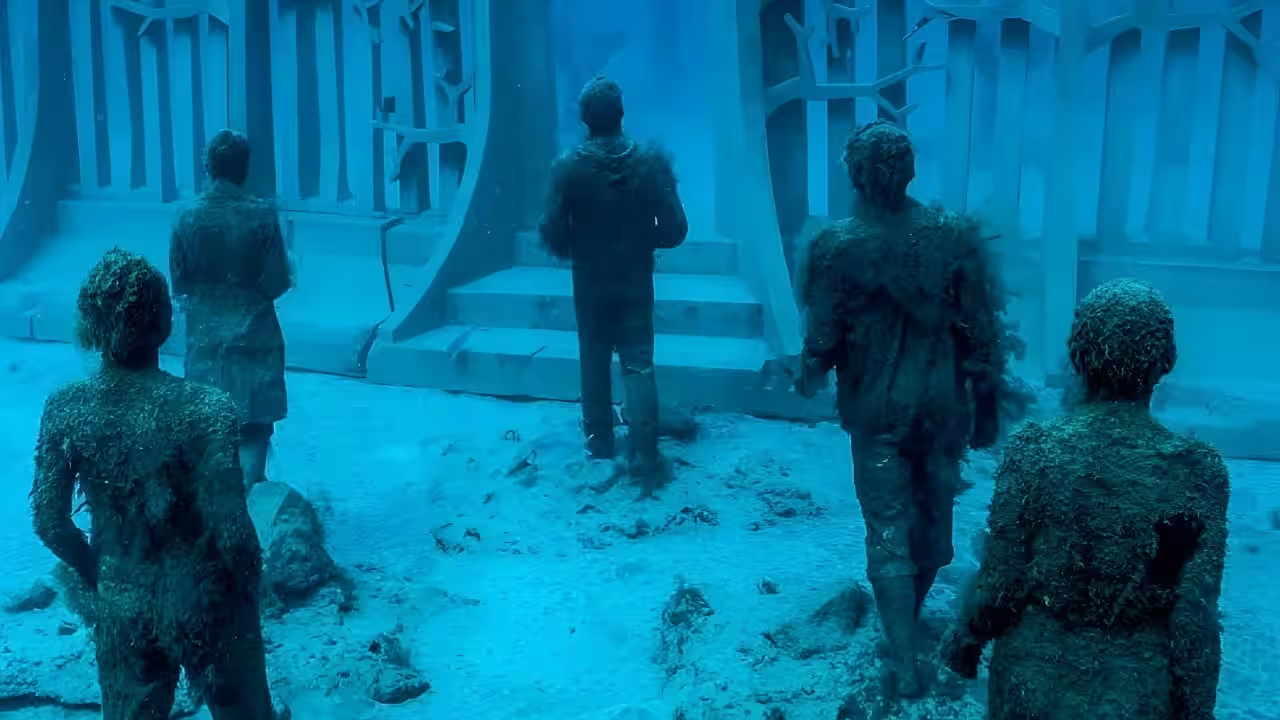
Most museums ask visitors to keep their voices low and hands to themselves. This one sits under the Atlantic Ocean, and some of its most curious visitors have fins. A Guardian travel gallery from 10 January 2017 covered the opening of Museo Atlántico off Lanzarote, Europe's first underwater art museum. The project was made for people and also for marine life. The sculptures were intended as an artificial reef, and an early survey reported marine biomass up by more than 200%.A museum made for fish as well as people British sculptor Jason deCaires Taylor created this underwater museum. He installed more than 300 works between February and December 2016. The final piece was Human Gyre, a circle of over 200 life-size figures for which local residents and tourists had posed for the cast. The sculptures were made of pH-neutral, inert materials that would suit local marine life and not harm the waters. The project was meant to create a large artificial reef that would attract local fish and increase marine biomass, while also raising awareness about threats to the world's oceans.What the 200% figure really shows The 200% figure was from the earliest sculptures sitting in the water for less than a year when the museum opened. It was a hopeful sign, but it wasn’t the result of a long-term study. Instead, it was based on numbers released in the project's opening announcement. Biomass is the total weight of all living things in an area. A higher number can mean more fish, bigger fish, or even more small creatures growing on the structures. However, it cannot tell us whether that life was newly produced or simply moved in from nearby. For years, scientists have debated that difference.Fish do settle on the new reefs in the Canary IslandsEarlier research from the same island group shed light on this issue. In a 2002 article titled ‘Observations on fish colonization and predation on two artificial reefs in the Canary Islands’, published in the ICES Journal of Marine Science, Herrera-Pérez and colleagues studied fish on two artificial reefs over several years using visual counts. They observed 53 fish species across the two reefs. The isolated oceanic reef was associated with fish that live on rocky seabeds, as well as a large seasonal influx of small open-water fish. This study suggested that fish could colonise newly built structures in these waters. It did not include Museo Atlántico and therefore couldn't confirm what exactly happened there.Do artificial reefs create life or just attract it? The real question is how much life an artificial reef does add. A 2025 Fish and Fisheries review looked at the evidence. The authors, including Raymond Czaja Jr., noted that artificial reefs are often assumed to increase fish production. But their search turned up only 12 studies that measured how much new animal biomass the reef produced, and only three of those had a control site. All three recorded greater production at the artificial reefs, but the team concluded three studies were too few to make a broad conclusion.A hopeful start, not the last wordSo what does this mean for Lanzarote? The sculptures gave the seabed new structures where fish and other marine life can find a home. The project also announced an early increase in biomass. Fish are known to colonise new reefs in the Canary Islands, so early gains are possible. But the rise measured in less than a year isn’t enough to show whether the reef added new life or just brought fish from somewhere else. Several independent surveys over many years might be needed to show lasting benefits. However, Museo Atlántico shows how art and conservation can work together.You use AI every day. Now get your AI Quotient. Take the AIQ test.
Topics in this story
Gathered from external sources. Rights to this text belong to whoever originally published it.