2026 set to be second-hottest year ever recorded; El Nino yet to peak
The planet is heading for another year of extreme heat, with 2026 likely to rank as the second-hottest year ever recorded as an exceptionally strong El
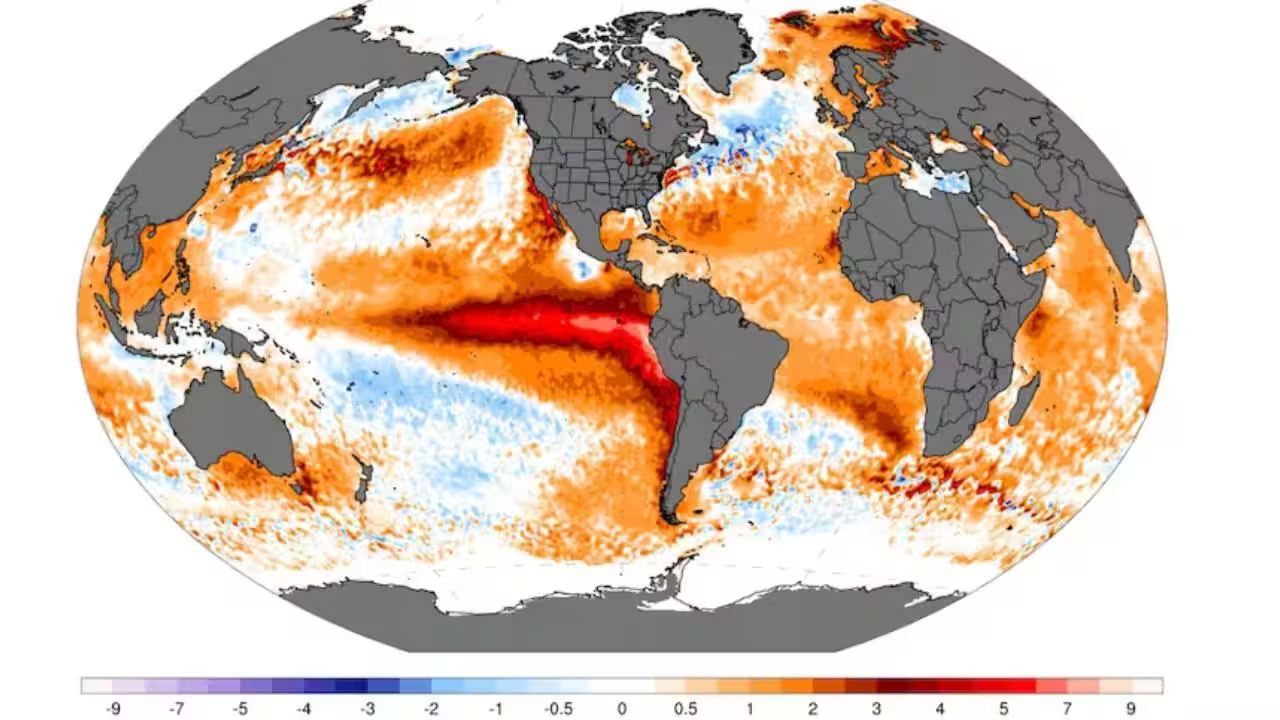
The planet is heading for another year of extreme heat, with 2026 likely to rank as the second-hottest year ever recorded as an exceptionally strong El Niño adds to the warming caused by human activities. The warning comes as global temperatures continue to hover above the critical 1.5°C threshold, raising fresh concerns about the pace of climate change.According to the European Union's Copernicus Climate Change Service, 2026 has a 20 per cent chance of matching or surpassing 2024 as the warmest year on record, while global temperatures are virtually certain to exceed 1.5°C above pre-industrial levels this year.The four-year average global temperature from 2023 to 2026 is also expected to exceed 1.5°C above pre-industrial levels, marking a significant warning for the Paris Agreement's goal of limiting long-term global warming to 1.5°C.October 2026 was the warmest October ever recorded, with global average surface air temperatures reaching 1.75°C above pre-industrial levels (1850-1900), according to Copernicus. It also marked the third consecutive month in which global temperatures exceeded the 1.5°C threshold."October has continued the pattern of remarkable global warmth, with record global and surface ocean temperatures," said Samantha Burgess, strategic lead for climate at the European Centre for Medium-Range Weather Forecasts (ECMWF), which operates Copernicus.She added that an exceptionally strong El Niño was adding further heat to a climate already warmed by human activities.The 1.5°C threshold refers to the global warming limit that countries agreed to pursue under the 2015 Paris Climate Agreement, which aims to restrict the rise in average global temperatures to 1.5°C above pre-industrial levels (1850-1900).Scientists warn that exceeding this limit over the long term could significantly intensify extreme weather events, including heatwaves, droughts, floods and rising sea levels.El Niño yet to peak, 2027 could be hotterThe World Meteorological Organization (WMO) has warned that the ongoing El Niño is expected to intensify further and could become one of the strongest events ever recorded.The phenomenon is forecast to peak towards the end of 2026, with its effects likely to persist into early 2027.According to the WMO, the warming of the central and eastern tropical Pacific Ocean is expected to push sea surface temperatures to exceptional levels, increasing the likelihood of extreme heat and disrupting rainfall patterns across several parts of the world.El Niño is a naturally occurring climate phenomenon characterised by the abnormal warming of surface waters in the central and eastern equatorial Pacific Ocean. It occurs every two to seven years and influences weather patterns far beyond the Pacific, increasing the risk of droughts in some regions and heavy rainfall and flooding in others.Its effects vary across countries and seasons, but a particularly strong event can intensify heatwaves and put pressure on agriculture, water supplies and ecosystems.The WMO has warned that the strengthening phenomenon could bring above-average temperatures to much of the world, while shifting rainfall patterns and increasing the risks of droughts and floods.Its warming impact on global temperatures is often felt most strongly in the year following its development, raising concerns that 2027 could surpass previous records to become the hottest year on record.
Topics in this story
Gathered from external sources. Rights to this text belong to whoever originally published it.