France accuses Iran’s Revolutionary Guards of hacking supermarket refrigerators
French Foreign Minister Jean-Noël Barrot accused Iran’s Revolutionary Guard Corp of being behind a recent cyberattack on French supermarket fridges.
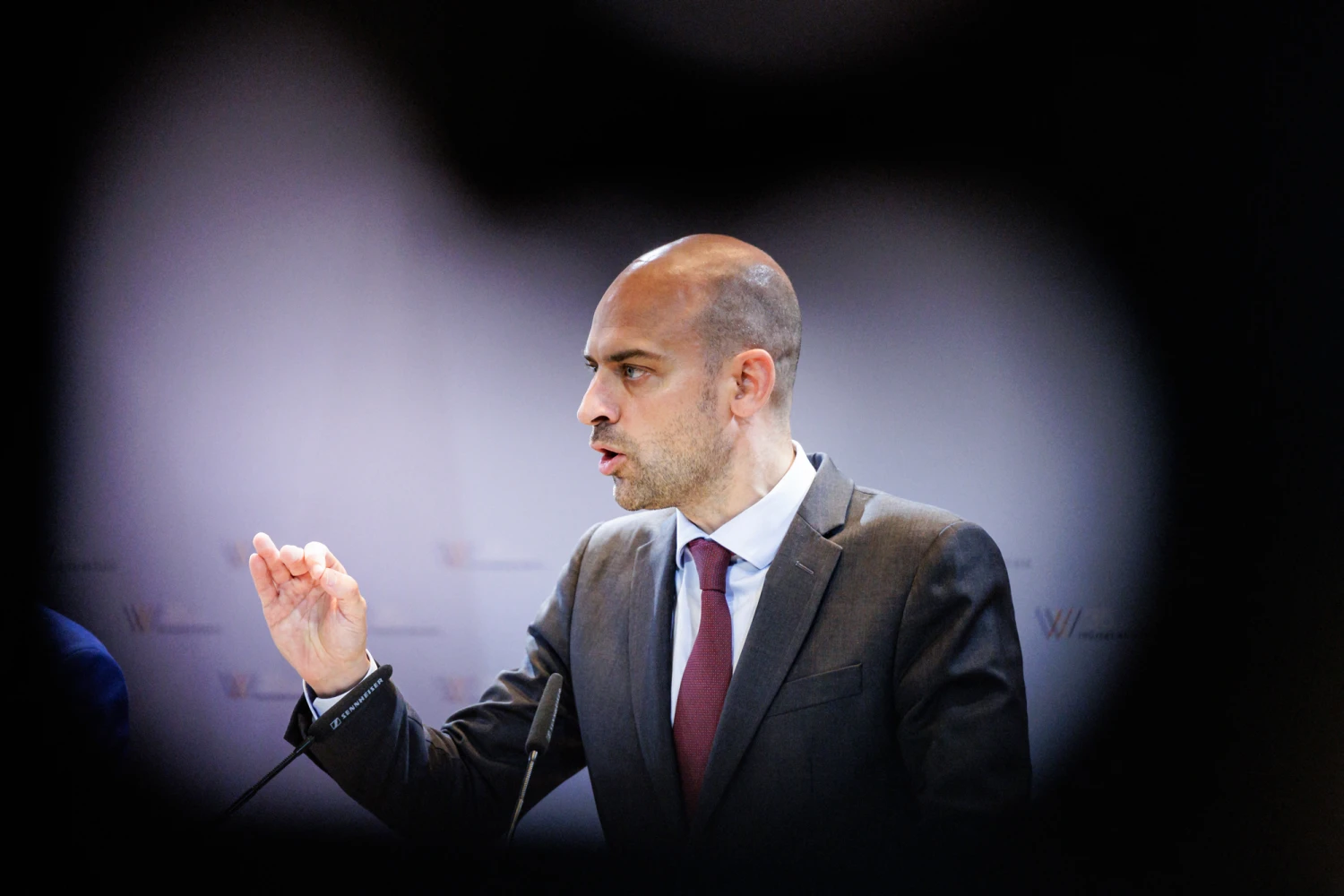
French Foreign Minister Jean-Noël Barrot on Monday accused Iran’s Revolutionary Guard Corp of being behind a recent cyberattack on French supermarket fridges, saying there would be consequences for the Islamic Republic. Meanwhile the Paris prosecutor’s office said it had requested international arrest warrants against the leader of Shahid Kaveh, an offensive cyber unit affiliated with the Revolutionary Guards, and his two deputies. The hacks that struck hundreds of French supermarkets in early October were among the most disruptive cyberattacks of the Iran war that began in February, a conflict that has been marked by scattered incidents of alleged digital disruption. These have included hacks against the Los Angeles transit system in March, against U.S. water treatment plants in July and against ships bound for the United States in August. Iran’s mission to the United Nations did not return messages seeking comment. Iran routinely denies carrying out malicious cyber operations. Barrot said the Iranian ambassador had been summoned to France’s foreign ministry. He also threatened further European Union sanctions against Iran. The Oct. 11 cyberattack, which overrode the temperature controls on commercial fridges in hundreds of establishments, appeared to have been easy to pull off, cybersecurity experts previously told Reuters. The firm behind many of the stricken units said that several were obsolete or were running outdated firmware, which could have made it easy for hackers to break in. The effects were still dramatic. Some refrigerators had the temperature turned up so high they caught fire. In the hours following the hack, supermarket employees carted boxes full of perished meat and melted ice cream into giant trash containers. The attack’s total costs could add up to tens of millions of euros nationwide, one French supermarket owner estimated. Reuters could not establish exactly how the French made their determination. The October hacks were followed this month by a second wave of hacking that hit more than 100 establishments across Europe and even affected refrigerators used by French blood banks, prompting employees there to have to move some of the blood to different cold storage units. The seemingly straightforward nature of the refrigerator hacks — and their repetition across multiple countries — prompted speculation about who might be responsible amid ongoing concerns over Russia’s suspected sabotage campaign in Europe, the war between the U.S. and Iran and the global rise of artificial intelligence powered cyberattacks. The sabotage of European supermarket fridges was preceded by at least one similar incident in the United States. In August, refrigerators in at least half a dozen military commissaries went out of commission. Pentagon investigators are treating the malfunctions as a suspected cyberattack and are working with French officials to get to the bottom of what happened. It was unclear if there was any link between the attacks.
Topics in this story
Gathered from external sources. Rights to this text belong to whoever originally published it.