Iran attacks US sites after American strikes, wedding deaths
Iran launched a wave of attacks on US sites across the Middle East on Wednesday as violence surged after an extensive American bombardment and the deaths of...
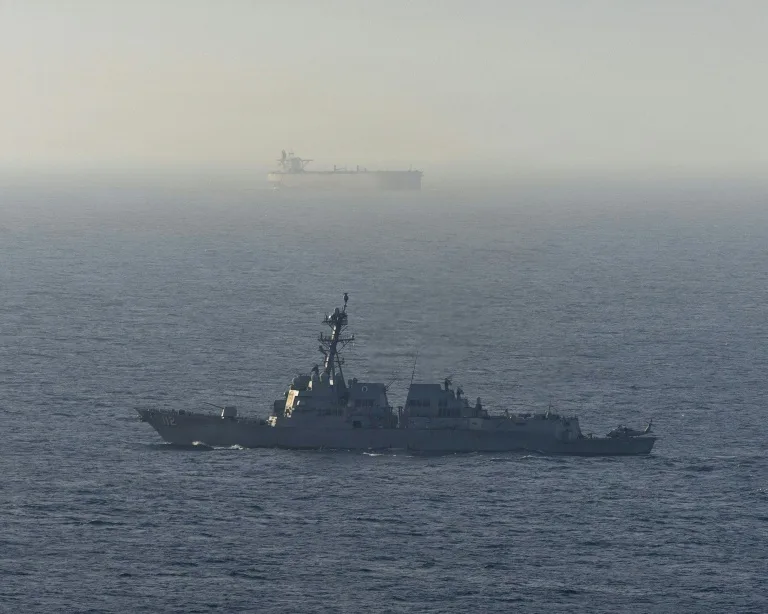
Iran launched a wave of attacks on US sites across the Middle East on Wednesday as violence surged after an extensive American bombardment and the deaths of four people at an Iranian wedding party.
Iran's Revolutionary Guards announced attacks on US bases in Jordan, the UAE, Kuwait, Bahrain and Iraq's autonomous Kurdistan region, in the six-month conflict's heaviest exchange in weeks.
US President Donald Trump had warned earlier of "much harder and higher" attacks if Iran retaliated to the US strikes, which Iran's military and state media said killed 18 people.
The renewed attacks deepen the impasse in the war, as Iran maintains a stranglehold on the Strait of Hormuz oil export route while the US presses a counter-blockade of Iranian ports.
In the latest strikes, the Iranian Red Crescent said on Tuesday that four people including a child were killed and more than 50 people were wounded by a US attack at a wedding in Iran's south.
A video shared by an Iranian government account showed debris and damage at what it said was the wedding site in Sirik following a US strike, with people heard screaming in the background.
"Unfortunately, this is a residential building. And unfortunately, this happened during my daughter's wedding ceremony," Ali Mallahi, father of the bride and owner of the building, said in a video carried by state TV.
"It is a very saddening incident... Thank God the casualties were not higher."
Iran's top negotiator Mohammad Bagher Ghalibaf lashed out over the wedding attack, calling the United States "Satan".
"If a power acts like Satan, picks targets like Satan, and kills like Satan, it's Satan," he posted on X.
The US military did not address the incident directly.
US Central Command (CENTCOM) spokesman Tim Hawkins said "the US military never targets civilians, unlike the IRGC", referring to Iran's Revolutionary Guards.
The latest round of fighting began when Washington hit Iranian targets on Sunday, the first known strikes in several weeks.
Tehran's forces then targeted US troops in Jordan and the United Arab Emirates, and projectiles struck two oil tankers in unclaimed attacks.
Two Filipino sailors died in one of the tanker attacks on Monday, Saudi Arabia's national shipping company said Wednesday.
Trump said the US strikes were "in retaliation for the Iranians' failed attempt at adding sea mines to the Strait" and firing missiles at the base in Jordan.
More US attacks came on Tuesday, with Iranian state TV reporting explosions in the south along Hormuz and on an island in the Gulf, and that US forces hit an airport in the southern province of Kerman.
Seven people were killed and eight others wounded in a missile attack in the southern Khuzestan province, IRNA reported.
The Guards said four personnel were killed in a US strike in the Kermanshah province, and three paramilitaries died in an attack on Lavan island in the Gulf.
It said Iran's retaliatory strikes included "a coordinated missile and drone attack on US bases in Erbil", according to a statement carried by the state-run IRNA news agency.
The Guards also announced a missile attack on a US Marine training camp in Jordan on the Gulf of Aqaba, near the Saudi and Israeli borders, according to Iran's Tasnim news agency.
In the Gulf, air raid sirens sounded in Bahrain and also Kuwait, where authorities said an Iranian drone set off a blaze at a residential complex.
Ghizlan Saad, a Bahraini mother of two, said the sirens woke her family in the middle of the night, "bringing back memories of the attacks, of the fear and apprehension".
"I hope the situation resolves quickly, especially since we have just started the new school year after a year overshadowed by wartime conditions," she added.
The war began in late February with US-Israeli attacks on Iran that killed its supreme leader Ayatollah Ali Khamenei.
A fragile ceasefire collapsed after attacks on commercial ships in the Hormuz strait, through which one-fifth of world oil supplies previously flowed.
Incidents in the strait have continued. Iran's Guards said Wednesday that two oil tankers caught fire after hitting mines "at the urging of the US military to transit via an illegal route".
Trump warned on his Truth Social platform Tuesday that if Iran retaliated to US attacks, "they will be hit again at a much harder and higher level, but it will not be the biggest attack of them all".
"There will be very little left of the Islamic Republic of Iran!" he wrote.
Despite the soaring tensions, Iran's President Masoud Pezeshkian vowed on Tuesday to match any US move to return to a deal aimed at ending the war.
Topics in this story
Gathered from external sources. Rights to this text belong to whoever originally published it.