A viral magician's foundation is spending $45,000 to expand a Kenyan school from 130 to 375 students; the project aims to protect girls from FGM
A magician best known for viral videos is funding a $45,000 renovation of a primary school in Narok County, Kenya.
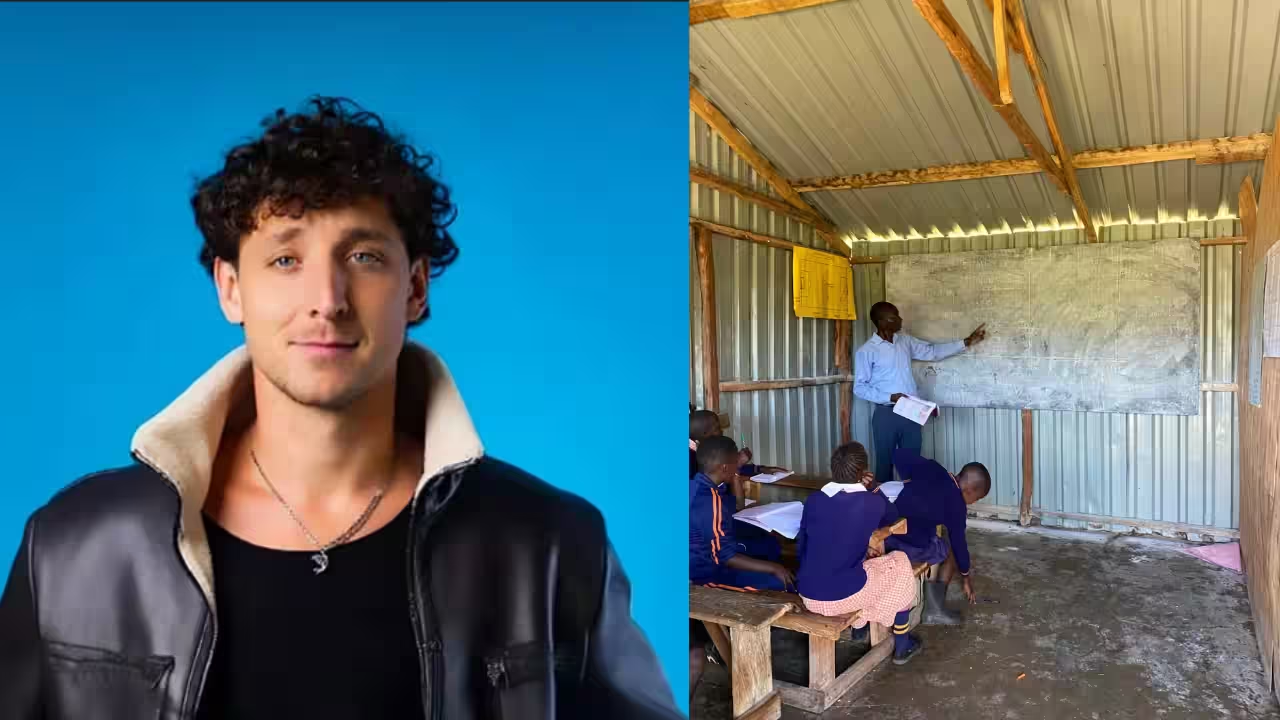
A magician best known for viral videos is funding a $45,000 renovation of a primary school in Narok County, Kenya. The Magic Foundation, founded by Julius Dein, the project aims to expand Olbolet Primary School from 130 to 375 students. The foundation says the school was the first in its area to combat female genital mutilation (FGM), but faces closure threats from the government over non-compliance with national education standards. Construction began in February 2026 and includes six new classrooms, electrification and sanitation facilities. The foundation says the work will preserve a platform for protecting girls.How will six new classrooms improve access to education in Narok CountyAccording to the Magic Foundation, the Kenya Olbolet Primary School Renovation is located in Narok County, Kenya. The page lists the investment as $45,000 and the timeline as four months, running from February 2026 to May 2026. It classifies the project as a school renovation in the education sector, with a project year of 2026. The page gives its status as "In Progress" and states that construction started in February 2026.The page lists the number of students before the project as 130 and the number after the project as 375. It also states a 70% increase in enrolment in secondary education. For the work itself, the foundation says it will rehabilitate existing infrastructure and construct six new classrooms. Electrification and sanitation facilities will be provided.How does Olbolet Primary School help protect girls from FGM in KenyaAccording to the project page, Olbolet Primary School was established 15 years ago and was the "first school in the area actively combating female genital mutilation (FGM)". The page describes FGM as a harmful practice that continues to affect girls in the community today. It states that the founders remained committed to this work despite the school's circumstances.The school operates in severely degraded conditions. It describes overcrowded classrooms, multiple grades sharing the same space, and inadequate roofing that forces closures during the rainy season. It also states that the school does not comply with national education standards, and that the government has threatened to close it. According to the foundation, this puts at risk the school's role in reducing FGM, child labour and early dropout.How will the project protect girls from FGM and child labourThe improvements are intended to bring the school into compliance with government standards, improve learning conditions, and increase student retention and enrolment. The foundation says that securing the school's future will preserve a platform for girls' protection, behavioural change and long-term community transformation.In its community impact section, the foundation describes the community as a highly marginalised Maasai community, where poverty and limited access to education continue to fuel harmful practices such as FGM and child labour. Safeguarding and improving access to quality education will drive lasting behavioural change, particularly in attitudes toward girls' education and protection. The foundation adds that increased educational attainment is expected to expand future employment and livelihood opportunities for Maasai youth. It says this will support economic self-reliance beyond traditional subsistence activities.You use AI every day. Now get your AI Quotient. Take the AIQ test.
Topics in this story
Gathered from external sources. Rights to this text belong to whoever originally published it.