When is Navratri 2026? History, significance, facts, celebration, and all you need to know
We are almost walking down the streets at that time of the year when the evenings and nights smell of raat to rani, as the winter arch has almost taken
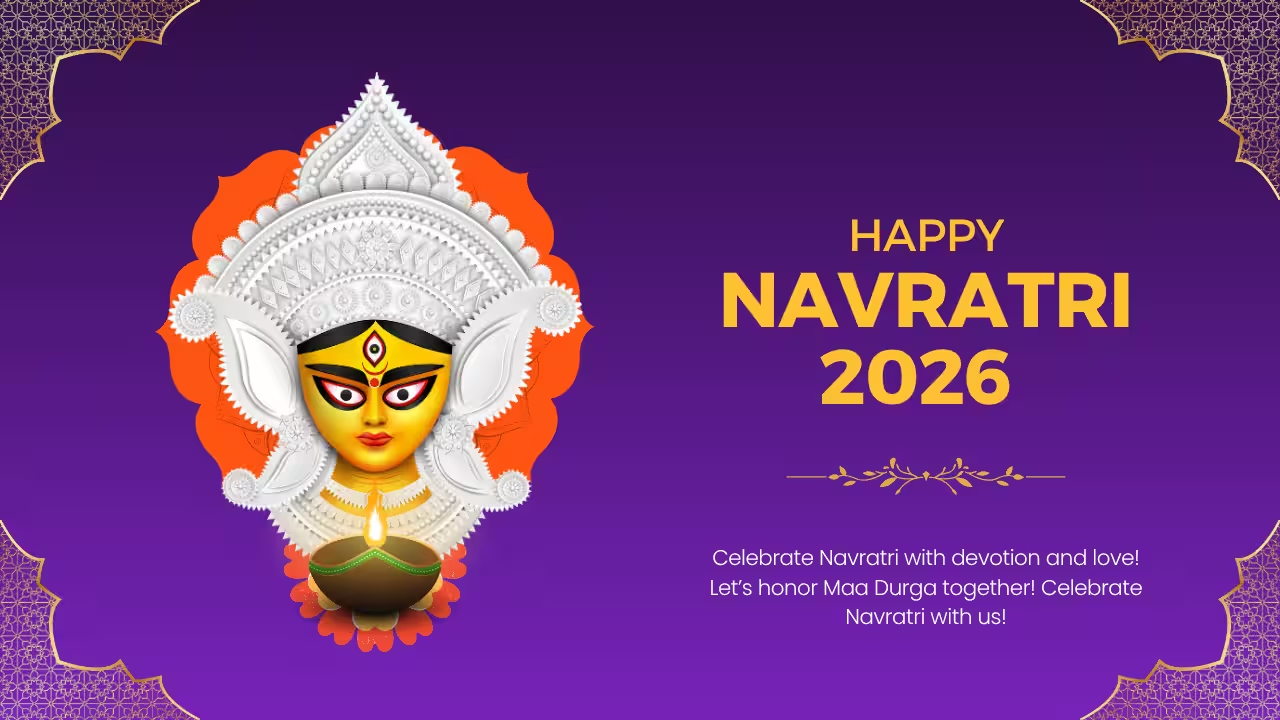
We are almost walking down the streets at that time of the year when the evenings and nights smell of raat to rani, as the winter arch has almost taken shape; the dusk in autumn looks orange when the whole country seems to change its mood, and the streets fill with lights, markets crowd with people shopping for clothes, and the sound of drums and devotional songs drifts out of homes and community halls late into the evening. Even people who aren't religious feel it in the air.For many families, this season is about much more than a holiday. It is a time for fasting, prayer, catching up with relatives, and for dancing until your feet ache. Children hear the old stories again, grandparents pass on the generational rituals and habits they learned from their own elders, and neighbours who barely speak all year end up sharing food.Yet if you ask ten people about this festival, you may get ten slightly different answers. Some will talk about a goddess, some about a king, some about colours, some about fasting, and that is what makes the diversity of various cultures beautiful.But amid all this, confusion also comes up around the dates, when does the festival begin, and what day.To cater to all the confusion here, we have the details on dates and all that you may need to know.When is Navratri 2026? History, significance, facts, celebration, and all you need to knowWhen does Navratri 2026 start?Sharad Navratri begins on Sunday, 11 October 2026 with Ghatasthapana, when a sacred pot called a kalash is set up. It ends with Maha Navami on Monday, 19 October, and Vijayadashami or Dussehra follows on Tuesday, 20 October. The Pratipada tithi, which starts the festival, runs from 9:19 PM on 10 October to 9:30 PM on 11 October, according to Drik Panchang.What does the name mean?"Nava" means nine and "ratri" means night, so Navratri is "nine nights." There are traditionally four Navratris a year, but Sharad Navratri, in the month of Ashwin, is the biggest. There are other Gupta navratri also observed in the country, but Chaitra Navratri in spring and Sharad Navratri in autumn are the two most widely observed.Why is Navratri celebrated?The main idea behind the celebration of the festival is that good wins over evil. According to the legends there are multiple stories. According to one, Goddess Durga fights the demon Mahishasura and defeats him. Another tradition says Lord Rama worshipped Durga for nine nights before he defeated Ravana on Vijayadashami. In Bengal specifically, Durga Pujo marks the day of Vijayadashmi when Goddess Durga comes back to her father’s home after defeating the demon Mahishasura.The significance and celebration behind the nine days of NavratriThe celebration honours Durga as Shakti, the energy behind the universe. Over nine nights, devotees remember her nine forms, the Navadurga, from Shailaputri on day one to Siddhidatri on day nine. Many people also wear a colour for each day.In the north, people watch Ramlila, plays that retell the Ramayana. On Dussehra, giant effigies of Ravana are burned with fireworks along with brother Kumbhakaran and son Meghnad. In the western state of Gujarat, the nights are for garba and dandiya, and many people fast and pray together.While for Bengalis, Mahalaya, the last day of Pitru Paksha, marks the start of Devi Paksha and the countdown to the puja, this year it falls on 10 October in 2026, that is, the day before Navratri begins.For the Bengalis, main celebration is observed from Maha Shashthi on 17 October to Bijoya Dashami on 21 October; on Shashthi, the goddess is welcomed into homes and pandals. Families go pandal-hopping, share bhog (blessed food), and feed the needyGet the latest movie news, reviews, and celebrity updates. Download the TOI App.
Topics in this story
Gathered from external sources. Rights to this text belong to whoever originally published it.