Charles Dickens once rented this London house for £80 a year; a £3.2 million restoration removed later changes and reopened his only surviving London home in 2012
Discover the fascinating restoration of Charles Dickens' only surviving London home, a Georgian townhouse where classics like 'Oliver Twist' were born. The property, once rented for £80 a year, reopened in 2012 after a £3.2 million restoration, celebrating the writer's legacy and transforming the space for visitors.
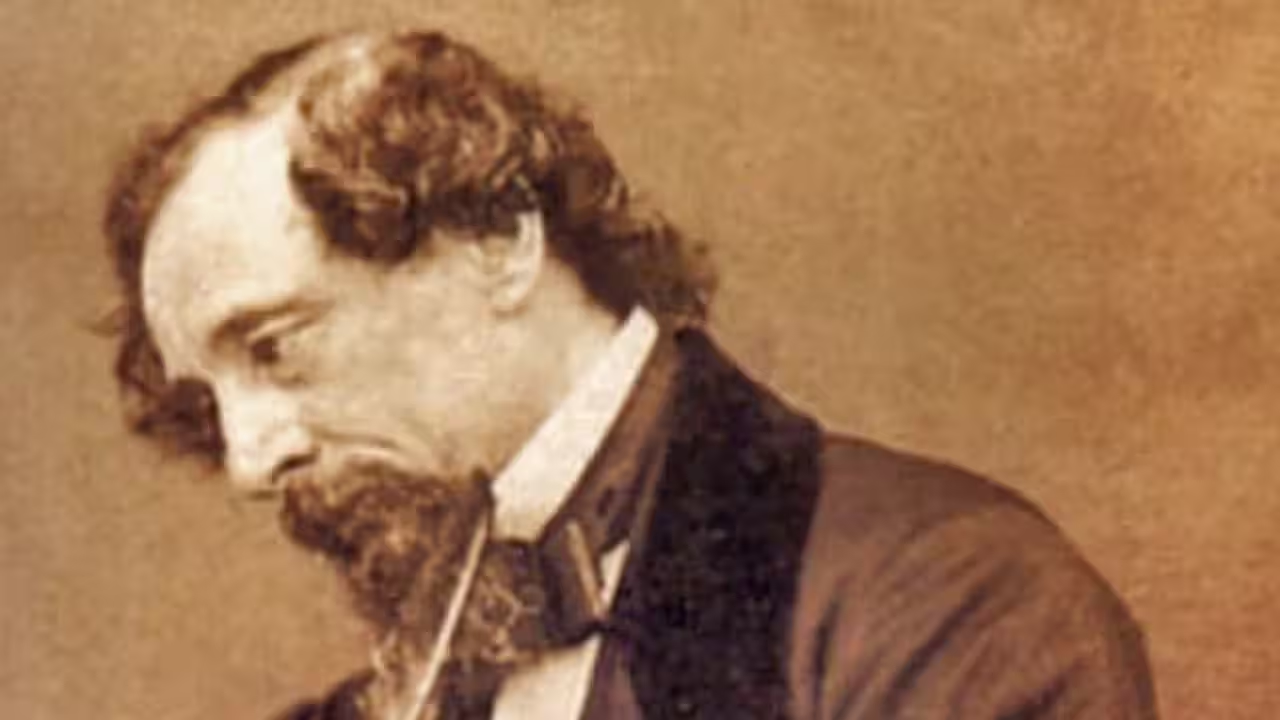
In the spring of 1837, a young writer with a growing reputation and a growing family needed more room. Charles Dickens had married Catherine Hogarth the previous year and the couple had been living in rented rooms at Furnival’s Inn in Holborn. After the birth of their first son in January 1837, those rooms were no longer enough, so Dickens went looking for something larger and more fitting for a rising author. He found it at 48 Doughty Street in Bloomsbury, a four-storey Georgian townhouse and took it on a three-year lease. Nearly 190 years later, it is the only London home of Dickens that still stands, according to the Heritage Fund.A Georgian townhouse leased for £80 a yearAccording to the Associated Press, at the time of the reopening, Dickens had rented the Georgian townhouse constructed in 1808 for £80 per year. This was his home from 1837 to 1839. English Heritage notes that Dickens moved to number 48 in March 1837 and paid £80 a year in rent. The Heritage Fund describes it as a grade one listed Georgian townhouse.Where Oliver Twist and Nicholas Nickleby took shapeThe Heritage Fund’s press release on the reopening calls 48 Doughty Street Dickens's home at the start of his career and the birthplace of classics such as Oliver Twist and Nicholas Nickleby. According to an article on the blog called Memoirs of a Metro Girl, the property was slated for demolition in 1923 but saved by the Dickens Fellowship, which was formed 21 years prior. The Heritage Fund states that it became a museum in 1925 and has received over one million visitors in 80 years.The £3.1 million Great Expectations restorationThe Great Expectations project cost £3.1 million and was funded substantially through the Heritage Lottery Fund, now the National Lottery Heritage Fund, as the release explains. Architect Purcell, whose program page lists the same construction value, began with a detailed historic appraisal and produced a conservation management plan.This, according to the Heritage Fund, is an effort aimed at restoring the house to its early Victorian glory, with the help of experts in heritage and literature. According to the press statement, the kitchen has been restored to its original condition and the attic, which was never in the public view before, is now open for everyone to see.Rooms set as Dickens would have known themAccording to the press release, rooms are decorated in a manner that would have been familiar to Dickens. For example, his reading desk is put in the drawing room and his master bedroom displays his belongings that have not been on display before. As per Mark Dickens, the great-great-grandson of Dickens, it was thrilling for him to see his ancestor’s house.A neighbouring house adds space and access The museum also expanded into 49 Doughty Street next door. The Art Fund’s museum page says the adjacent building became a visitor and leasing centre. The aim was to return the house to its early Victorian splendour. The release says the adjacent building was converted into a visitor and learning Centre with a temporary exhibition space.Nearly 190 years after Dickens first moved in, 48 Doughty Street remains a rare physical link to the early years of one of Britain’s best-known novelists. The house’s restoration did more than repair a Grade-1 listed building. It reopened space connected to Dickens daily life, expanded the museum facilities and made the story of his rise from a young, newly married writer to a celebrated author more accessible to visitors.You use AI every day. Now get your AI Quotient. Take the AIQ test.
Topics in this story
Gathered from external sources. Rights to this text belong to whoever originally published it.