A cleaner became a stamp collector's closest companion, inherited most of his £250,000 estate and bought his disputed £200,000 stamp collection for £1
A job advertised as household cleaning gradually developed into something quite different for Sue Pope.
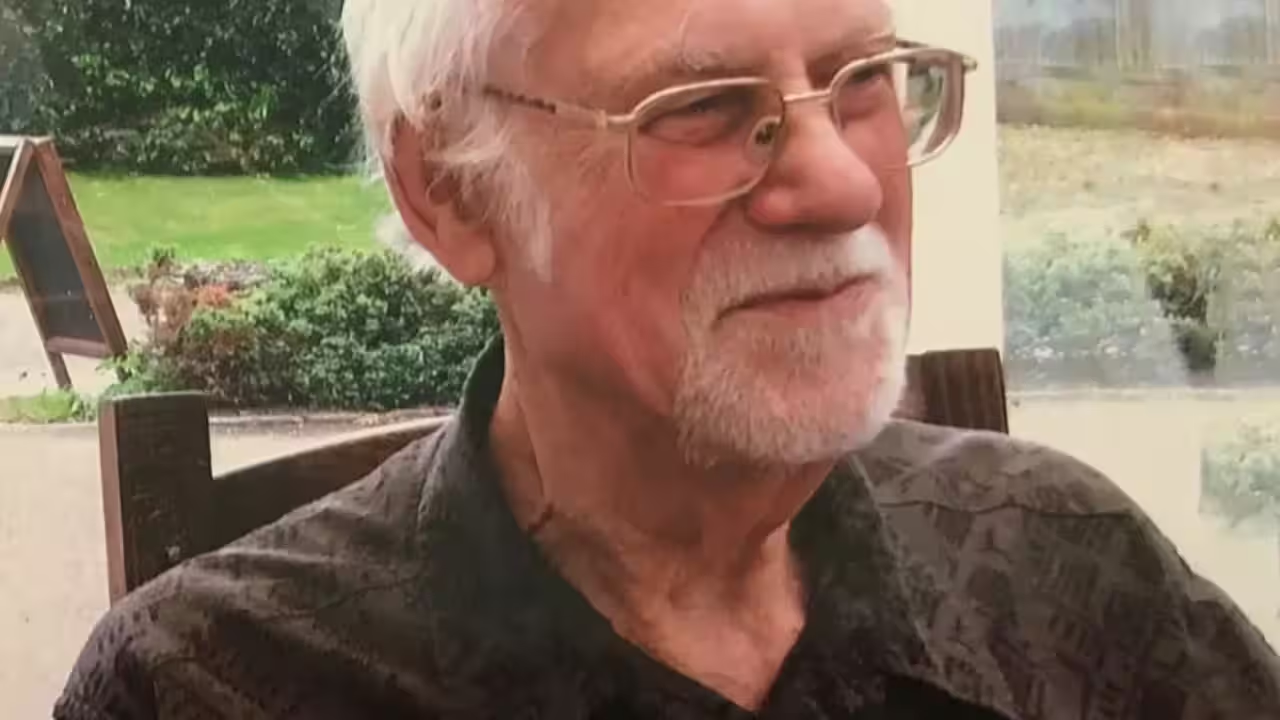
A job advertised as household cleaning gradually developed into something quite different for Sue Pope. What began as paid work at the home of elderly stamp collector Ray Watts eventually involved looking after his daily needs, accompanying him to stamp fairs and helping with aspects of his personal life. By the time Watts died aged 90 in 2021, Pope had become one of the most significant people in his life. He had changed his will, leaving her most of his estate, while also selling her his stamp collection for a nominal sum of £1. The decision, however, became the subject of a family inheritance dispute.How a cleaner became an important part of the stamp collector’s lifeWatts, a former Lloyds Bank clerk, had spent much of his later life collecting and dealing in stamps. His interest in philately became a major part of his routine, with his collection eventually containing items dating back to the 1840s.Pope entered his life after responding to an advertisement for a cleaner. Her responsibilities gradually expanded beyond domestic work, and she began helping him with everyday tasks and personal care. She also accompanied him to stamp fairs and became involved in other parts of his routine.According to evidence presented during the inheritance proceedings, the relationship had developed considerably by 2015. Pope's representatives argued that her involvement went well beyond what would ordinarily be expected of someone employed to clean a house.She described herself as more than a cleaner and informal carer, maintaining that she had become an important companion to Watts during his later years. That closeness would eventually become central to the disagreement over his estate.How his family became part of his £250,000 inheritance plansWatts had two marriages and a blended family. With his first wife, Madeline Watts, he had three children: Nicholas, Lesley and Deborah. Madeline died in 1995. As reported by The Sun, in 1998, he married Fay Watts, who had three children from an earlier relationship: Beverley Neate, Mark Brennan and Sean Brennan. Fay died in 2011, leaving Watts with a family that included three biological children and three stepchildren.A will drawn up in 2007 reflected that family arrangement. It provided for his estate, including his share of the family property in Great Waldingfield, near Sudbury in Suffolk, to be divided equally among the six children and stepchildren.A 2019 will left most of his £250,000 estate to his cleanerIn 2019, Watts was admitted to hospital after suffering a serious fall at home. He had reportedly remained on the floor for several hours before being discovered. During this period, arrangements were made for a new will. Rather than distributing his estate equally among all six family members, the revised document provided £15,000 each for his three biological children and Neate.The remainder was left to Pope. The estate was estimated to be worth approximately £250,000, with Watts' share of the family home forming part of the assets. The changes did not end there. In 2020, another legal document, known as a codicil, was drawn up to amend the existing will. This reduced Neate's inheritance from £15,000 to just £1.The £200,000 stamp collection was sold to Pope for £1Alongside the inheritance, Watts' stamp collection became another important part of the dispute. The collection was particularly valuable because of its age and the number of historic items it contained. Neate estimated the collection's value at approximately £200,000, with some stamps dating back to the 1840s. Pope disputed that figure, putting its value at around £40,000.Watts had sold the collection to Pope for just £1, a nominal payment that added another dimension to the disagreement between the parties.The transaction meant Pope stood to receive not only the majority of an estate valued at about £250,000 but also a collection whose potential market value was disputed. The difference between the two valuations became part of the wider family argument over the arrangements made before Watts' death.His stepdaughter questioned whether he understood the new arrangementsNeate subsequently challenged the 2019 will and the 2020 codicil at Central London County Court. Her case centred on whether Watts had fully understood and approved the documents that changed the distribution of his estate. Her legal team questioned his mental condition around the time the new will was prepared. They referred to his hospital admission and argued that he had been experiencing confusion, reduced consciousness and a slowing of his thought processes.Barrister Nathan Wells, representing Neate, also raised concerns about Pope's involvement in the arrangements. He argued that the cleaner had a substantial interest in the outcome and had played a significant part in bringing solicitors to meet Watts in hospital.The legal challenge pointed to the contrast between the 2007 will and the later documents. A sudden change in the distribution of an estate, particularly when the main beneficiary is closely involved in the testator's care, can raise questions about whether the person making the will understood its contents and made the decision independently. Neate's representatives maintained that the circumstances surrounding the documents required closer examination. They also argued that leaving her just £1 was inconsistent with the relationship she believed she had maintained with her stepfather.She told the court that they had remained in contact over the years. She had helped him attend medical appointments, and he had spent Christmas with her and her husband.You use AI every day. Now get your AI Quotient. Take the AIQ test.
Topics in this story
Gathered from external sources. Rights to this text belong to whoever originally published it.