EU threatens Russia with new sanctions after Leipzig drone attack
European Union foreign ministers were consulting on Wednesday on how to respond to German allegations that Russia was behind a failed attack involving an exp...
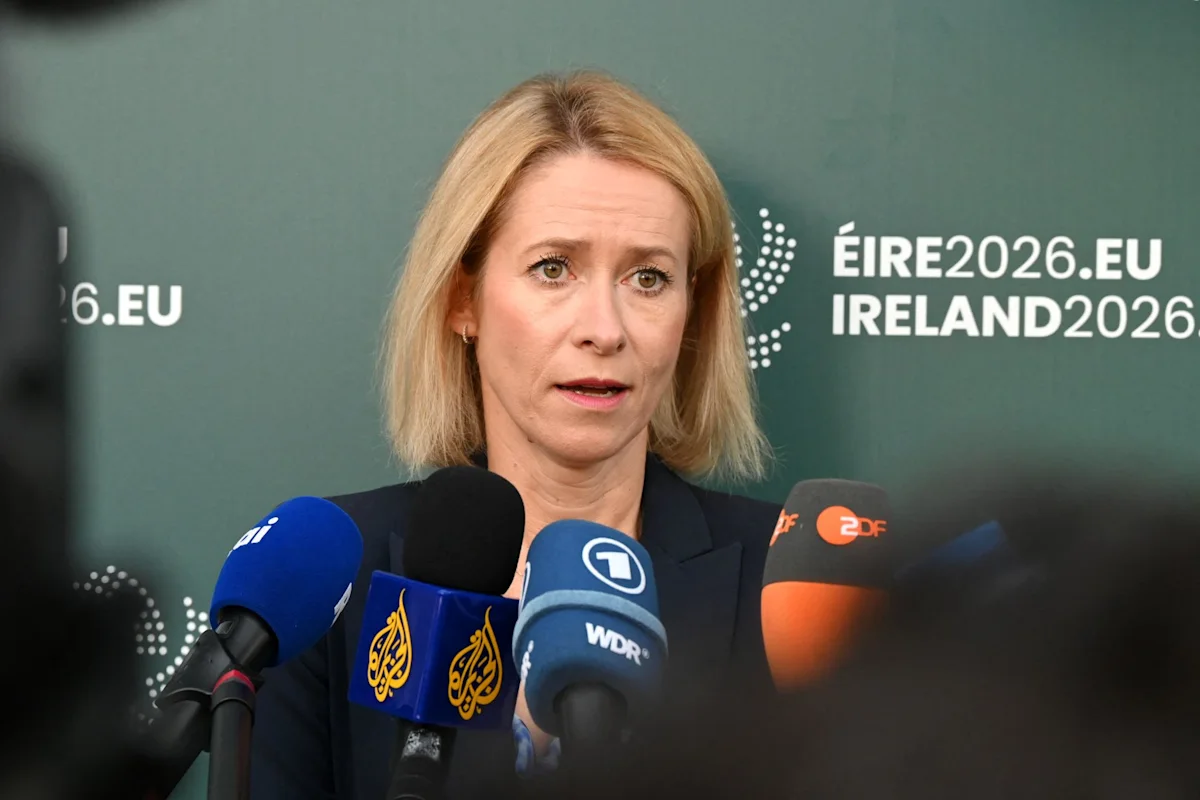
EU foreign ministers are considering new sanctions against Russia in response to a failed drone attack at Leipzig airport, with possible measures including sanctions against 1,600 individuals and companies linked to Russia's military-industrial complex.
The EU has already implemented 21 sanctions packages on Russia since the start of its invasion of Ukraine in 2022, with the intention of weakening Russia's economic and military capabilities to continue the war.
European Commission President Ursula von der Leyen stated that Russia should expect more sanctions, emphasizing the need for the EU to respond faster and better to Russia's actions, including preparing sanctions to impose as soon as dangerous acts are attributed to Russia.
European Union foreign ministers were consulting on Wednesday on how to respond to German allegations that Russia was behind a failed attack involving an explosives-laden drone at Leipzig airport.
Possible measures include sanctions against a further 1,600 individuals and companies linked to Russia's military-industrial complex, EU foreign policy chief Kaja Kallas said on the sidelines of the ministers' meeting in Wicklow, Ireland.
More could potentially be added to the list, she said.
The EU has already agreed on 21 sanctions packages on Russia since the start of its full-scale invasion of Ukraine in 2022. The measures are intended to weaken Russia's economic and military ability to continue the war.
Kallas had announced work on new punitive measures last month, before Germany publicly blamed Russia on Tuesday for the drone discovered near Ukrainian cargo aircraft at the eastern German airport on August 4. The drone failed to detonate.
European Commission President Ursula von der Leyen also said that Russia should expect more sanctions.
"We're looking at ways to cut deeper into Russia's war chest," she said, speaking in Brussels alongside NATO Secretary General Mark Rutte.
Incidents like the one in Leipzig on August 4 mean that the EU has "to step up, and that means being ready to respond to Russia's recklessness faster and better."
This includes preparing sanctions and "have them ready to impose as soon as such dangerous, life-threatening acts are attributed. Every loophole Russia exploits is one we must close," von der Leyen said.
"Had this attack succeeded, this would have resulted in enormous damage and possibly even loss of life," she warned.
EU foreign ministers gathered in Ireland expressed their solidarity with Germany.
Kallas said that incidents like the one in Leipzig could serve as "wake-up calls" that "if we want to end this war, we all have to focus our efforts."
Ministers also discussed further support for Ukraine, including air defence, preparations for the coming winter and funding for additional assistance, as well as the possible use of frozen Russian assets.
The foreign ministers of Ukraine, Britain, Canada, Norway, Iceland, and Switzerland travelled to Ireland to attend the talks on aid for Ukraine.
In addition, EU ministers were expected to discuss developments in the Middle East.
Topics in this story
Gathered from external sources. Rights to this text belong to whoever originally published it.