What to expect during Tuesday’s nationwide FEMA emergency alert test
A nationwide emergency test is scheduled for Tuesday afternoon and is set to disrupt “normal programming” on televisions and radios across the country.
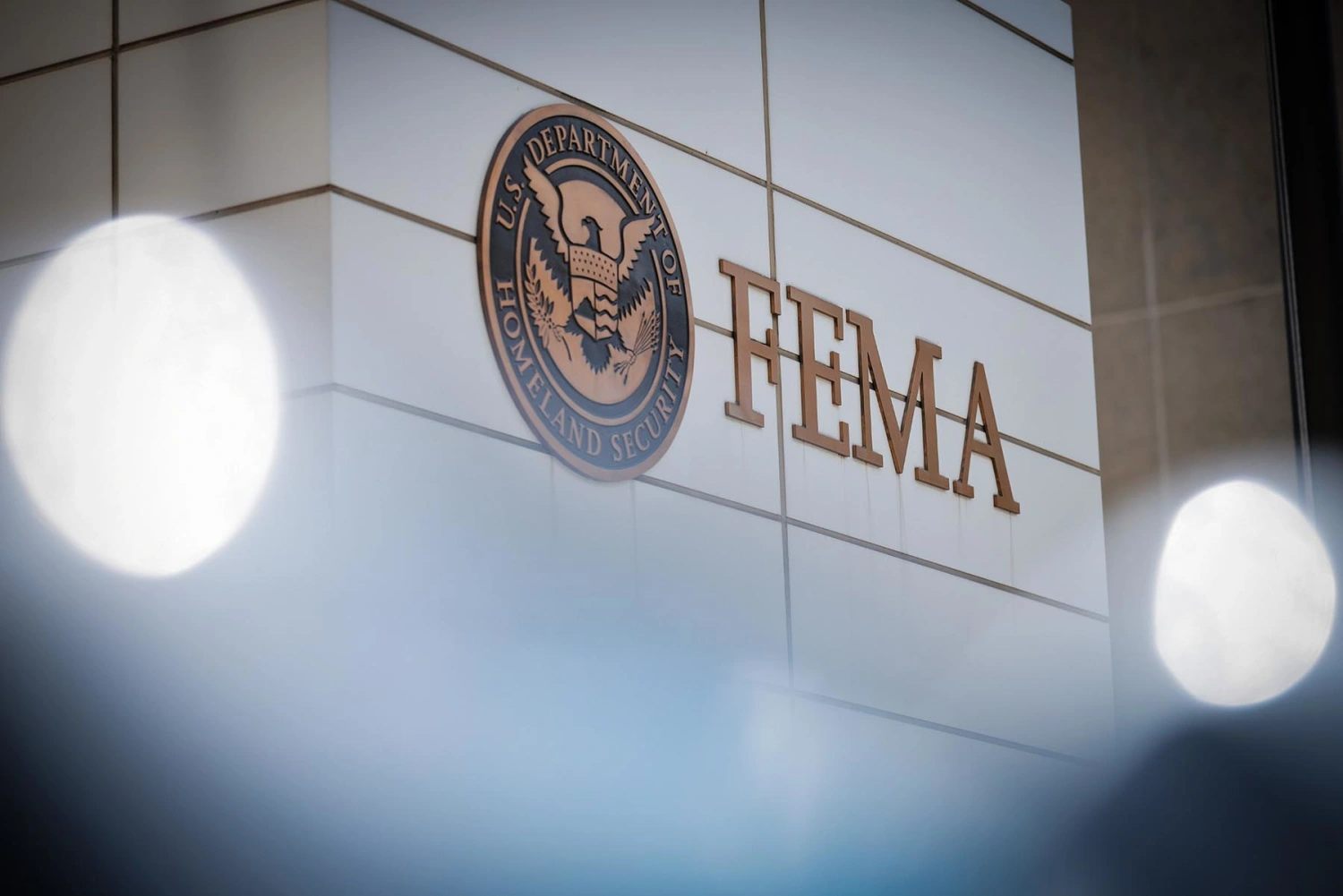
A nationwide emergency test is scheduled for Tuesday afternoon and is set to disrupt “normal programming” on televisions and radios across the country. The test, from the Federal Emergency Management Agency and the Federal Communications Commission, is routine, officials said, and is required by law. Yet it comes after a number of widespread outages affected online banking services, airlines and more in the last few days. Why exactly is the test taking place now, when can you expect it and what will it look and sound like? Here’s what to know. What is happening on Nov. 17? FEMA, along with the FCC, is slated to conduct a nationwide test of the Emergency Alert System. The Emergency Alert System from FEMA is a national public warning system made up of thousands of radio, TV, cable, satellite and wireline video providers, the agency said. Through the system, the president can address the American people or “share life-saving information with the public during a national emergency.” “During an emergency, every second is crucial,” FEMA Administrator Cameron Hamilton said in a news release. “FEMA’s alert and warning systems ensure that no second is wasted getting you the critical information needed to keep you safe.” The operational test will allow officials to “identify and fix potential issues before an actual emergency occurs,” Hamilton said. The test, officials said, is required by law and must take place at least once every three years. The last test was conducted on Oct. 4, 2023. In that test, the agencies also tested wireless emergency alerts, but those will not be part of this year’s test. Is the test related to recent outages? FEMA said the test is a “routine, scheduled test of the Emergency Alert System,” and it is not related to any recent outages. “It’s only a test,” FEMA said in a social media post Monday. “This is a routine check to ensure our public warning systems work when they are needed most.” At the same time, the agency acknowledged rumors swirling about the test’s timing. “We are aware of rumors, questions, and speculation about tomorrow’s test,” the agency said in a social media post Monday. “We love a good fan theory as much as anyone, but there is no secret emergency happening here.” The test comes days after several major outages led to widespread, hourslong disruptions across multiple business sectors. Last week, a worldwide Microsoft outage left Outlook and other apps unavailable for at least 24 hours. One day later, the FAA issued a nationwide ground stop “citing extraordinary circumstances,” leaving travelers and planes stranded for hours. On Monday, JPMorgan Chase said a “software bug” led to problems with online banking services. Later in the day, a United Airlines outage stopped flights from taking off. It’s important to note, however, that “if an actual emergency or significant weather event occurs on test day, FEMA and the FCC may postpone the test.” Should that happen, the backup date is Dec. 3, 2026. What time will the test take place, and what will happen during it? The test is scheduled to take place at 1:20 p.m. CT on Tuesday. At that time, all radio and television broadcasters nationwide will interrupt normal programming to play a test message for roughly one minute. According to officials, the message will clearly state that it is part of a test. When the test is done, normal programming will resume. Unlike previous tests, this one will only air on television and radio, FEMA said. “Your cell phone will not beep, buzz or receive a notification.” What will the message say? The message will read: “This is a nationwide test of the Emergency Alert System, issued by the Federal Emergency Management Agency. This is only a test. No action is required by the public.” Along with the test message will be EAS alert tones “to support accessibility for individuals who are deaf or hard of hearing.” The distinct and attention-grabbing sound of the EAS is intentionally loud and alarming. The audio signal used for the tests uses the same combination of tones familiar to Americans since 1963, when President John F. Kennedy established the original Emergency Broadcast System through an executive order. It’s also the same tone used in alerts sent by more than 1,700 local, state, territorial and tribal authorities that send similar alerts for more localized emergencies. Some broadcasters may choose to display the message in both English and Spanish. Do you need to do anything ahead of the test? According to FEMA, no.
Topics in this story
Gathered from external sources. Rights to this text belong to whoever originally published it.