Mutinous soldiers attack airport, presidency in Niger capital
Mutinous soldiers in Niger attacked the airport and the presidency in the capital, Niamey, early on Saturday, triggering hours of sustained gunfire and explosions and briefly knocking state television and radio off air.
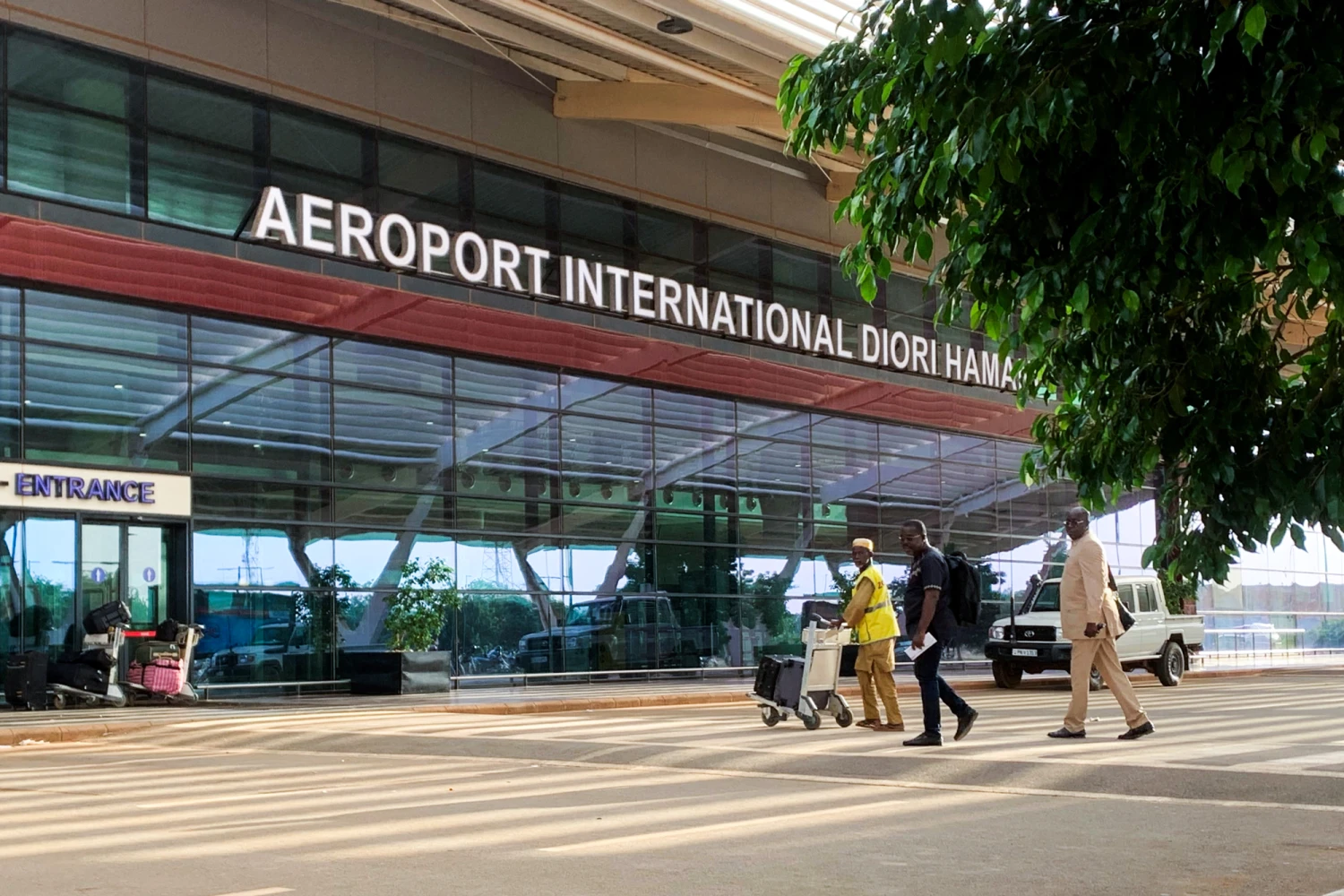
Mutinous soldiers in Niger attacked the airport and the presidency in the capital, Niamey, early on Saturday, triggering hours of sustained gunfire and explosions and briefly knocking state television and radio off air. By late morning, Niger’s defense ministry said the armed forces were progressively retaking control of sites targeted in the overnight attack, but security sources said mutineers were still present at the airport and the overall situation remained unclear. The attack marked the latest threat to the rule of Abdourahamane Tiani, who seized power in a 2023 coup. Tiani had pledged to improve security in the Sahel nation, a major uranium producer, but jihadist attacks have persisted. State television, after resuming broadcasts, aired a message saying mutinous soldiers from a base in Niamey had opened fire on “sensitive sites” in the city. Security forces had reacted quickly and “contained this disturbance”, it said. A Reuters witness reported gunfire at the airport and heavy explosions in the pre-dawn hours. As of 0900 GMT, the presidential palace appeared to have been secured by loyalist troops but the area around the airport was still contested, two security sources and a diplomat said. Two sources said that loyalist troops had been dispatched to retake control of the airport, either through negotiations or by force. The assault also involved soldiers from the localities of Ouallam, Tera and Dosso in the southwest, according to a Niger security source and Yvan Guichaoua, senior researcher at the Bonn International Centre for Conflict Studies. Troops in this area have sustained heavy casualties in battles with the regional Islamic State affiliate, and analysts and security sources say frustration with the government is mounting within frontline units. It was not clear how many troops allied with the mutineers had entered Niamey or where they had deployed. Earlier this year, affiliates of al Qaeda and Islamic State both carried out attacks on the civilian airport and military airbase, contributing to initial suspicion that militants could have been behind the assault on the capital. Niger, a mineral-rich West African nation with significant uranium, oil and gold resources, has been ruled by military officers since the July 2023 coup that ousted President Mohamed Bazoum. Like its neighbors Burkina Faso and Mali, it has failed to turn the tide in its battle against Islamist insurgencies linked to al Qaeda and Islamic State despite pledges by military rulers to improve security. West Africa’s al Qaeda affiliate claimed responsibility for an attack on the airport in Niamey in June, five months after Islamic State Sahel Province targeted the same site. Since seizing power, Tiani’s government has shifted away from Western partners, deepened ties with Russia and broken with the regional ECOWAS bloc, joining Mali and Burkina Faso to form the breakaway AES bloc. The unrest comes as authorities tighten control over its uranium sector, having seized assets from France’s Orano. Niger had been a key supplier of nuclear fuel to Europe, accounting for about 15% of Orano’s uranium supply at full capacity. Last week, the government reallocated former Orano and GoviEx uranium permits to state-backed companies, according to a decree.
Topics in this story
Gathered from external sources. Rights to this text belong to whoever originally published it.