In 1925, New Yorker Gayer Dominick bought Bulls Island as a private hunting preserve; 11 years later he gave it to Cape Romain refuge for seabirds and shorebirds
US News: Discover the fascinating history of Bulls Island, from its purchase by banker Gayer Dominick in 1925 to its transformation into a vital national wildlife refuge, supporting over 290 bird species.
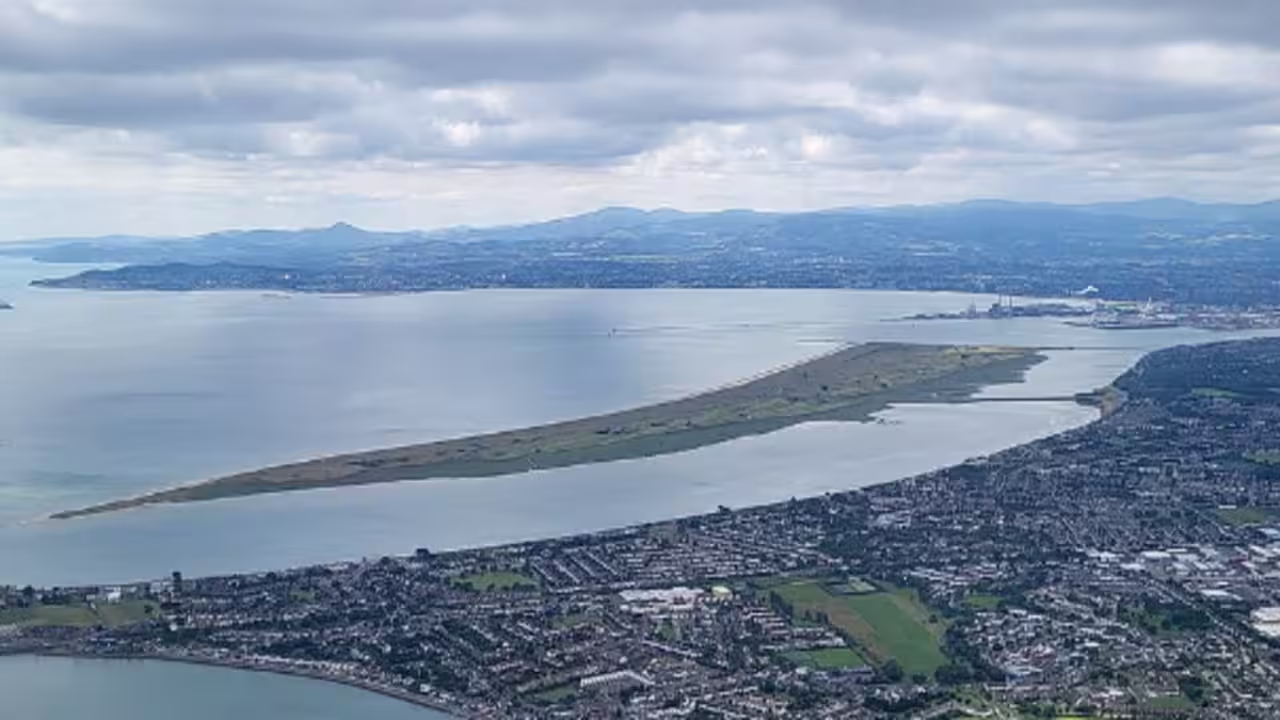
For 229 years, ownership of Bulls Island, a wild barrier island off the coast of South Carolina that is now part of Cape Romain National Wildlife Refuge, passed through 36 different private hands, according to the U.S. Fish and Wildlife Service, which records that the island had 36 private owners from 1696 to 1936. The island and surrounding refuge now support more than 290 recorded bird species, with FWS documentation listing over 293 bird species in Cape Romain National Wildlife Refuge. Then a wealthy New York banker bought it, built a mansion on it, and eventually turned it over to the federal government for good, setting the stage for a major shorebird refuge on the East Coast.Dominick purchases Bull Island as its 36th private owner since 1696Gayer Dominick, a New York banker and stockbroker with a passion for hunting, purchased Bull Island in 1925, according to reporting by the Post and Courier. The U.S. Fish and Wildlife Service records that he bought the island with the specific intent of turning it into a private hunting preserve. The refugeâs own visitor records say Dominick was the islandâs 36th private owner and this part of the chain of ownership goes back to 1696. Over roughly 240 years, Bulls Island changed hands repeatedly before Dominick eventually transferred it to the federal government. By the time Dominick arrived, Bulls Island had already lived through centuries of use.Dominick builds a sky-blue mansion and strings electricity across the Island Dominick had a large house built on the island soon after buying it, a sprawling structure that came to be known as Dominick House. The Post and Courier reports that Dominick was wealthy enough to string electric wires from island to island to power his retreat, at a time when only about half of all Americans, urban and rural combined, had electricity at all, though the great majority of urban households were already electrified by the mid-1920s. He also paid to have heavy equipment shipped in by boat so roads could be cut through the island's maritime forest, a level of investment beyond what most of the island's previous owners had been able or willing to undertake. The house Dominick built still stands today and Discover South Carolina notes that it later operated for years as an inn catering to visiting fishermen, birders, and other nature enthusiasts before eventually being converted into housing for refuge staff and volunteers.Outside the dwelling, Dominick's ultimate goal was altering the island's habitat features for his hunting pursuits. It was Dominickâs efforts, specifically, his alterations to Bulls Islandâs existing water impoundments to attract more waterfowl, as noted by the U.S. Fish and Wildlife Service, that ultimately created the ecological conditions that later made the island so valuable for bird conservation. As the U.S. Fish and Wildlife Service has noted, Dominick's hunting-driven renovations for wetland environments created unforeseen uses far surpassing his personal agenda.Dominick Conveys Bulls Island to the Fish and Wildlife Service in 1936 Eleven years later, Dominick sold his interests (the whole island, his family's shore house and hunting cabin) to the federal government, ceding Bulls Island in 1936. The 1936 transfer added Dominickâs entire property, making Bulls Island the southernmost barrier island in the refuge, to the Cape Romain Migratory Waterfowl Refuge, which had been established in 1932 and later renamed Cape Romain National Wildlife Refuge.The refuge expands to support seabirds and shorebirds along the coastCape Romain has grown in scale since Dominick made his gift. The refuge now covers more than 66,000 acres of barrier islands, salt marshes and maritime forest along South Carolinaâs southeast coast. In 1975, Congress designated 29,000 acres of the refuge as a National Wilderness Area under the Wilderness Act and the next year the refuge was designated as a Western Hemisphere Shorebird Reserve Network Site of International Importance. Bulls Island remains a popular part of the refuge, offering sanctuary to some 290 different species of bird, along with the alligators, deer and black fox squirrels who live in the same maritime forest that Dominick once hacked roads through. Visitors can still see the tabby ruins of the island's old fort and the Sewee middens, reminders of the islandâs long history before Dominickâs eleven-year ownership.Catch the latest World News and Live updates. Download the TOI app.
Topics in this story
Gathered from external sources. Rights to this text belong to whoever originally published it.