Which state is known as the Rice Capital of India? The answer may surprise you
India's relationship with rice changes dramatically from one region to another.
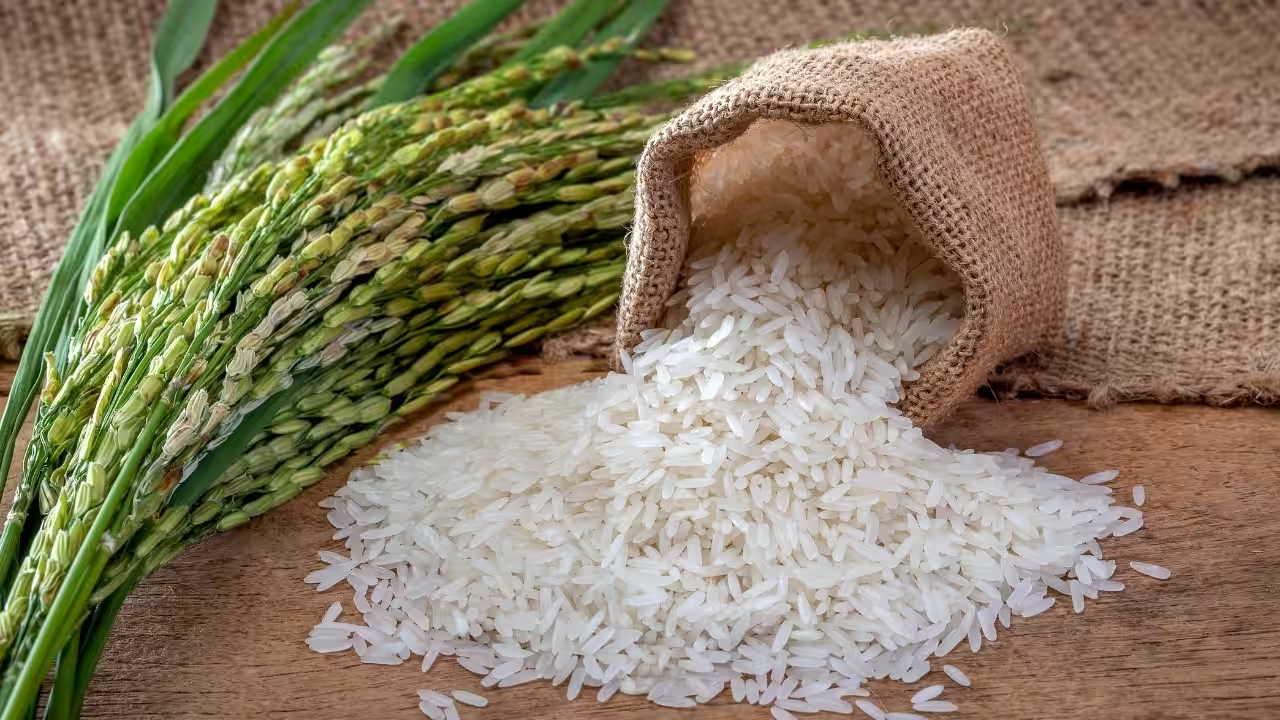
India's relationship with rice changes dramatically from one region to another. The grain appears in everyday meals, traditional recipes, festive dishes and local cuisines across the country.Among the many rice-growing regions, West Bengal is popularly known as the “Rice Capital of India.” The title reflects the state's long-standing connection with paddy cultivation and its distinctive rice-based food traditions.Why is West Bengal called the Rice Capital of India?West Bengal has a landscape particularly suited to paddy cultivation, with fertile plains, river systems and substantial rainfall supporting rice farming across several regions.Paddy cultivation has consequently become an important part of rural life in the state, with farmers growing different varieties suited to local conditions.The state's rice tradition also has a strong culinary identity, with bhaat, or cooked rice, forming the base of countless Bengali meals.Bengal has several traditional rice varietiesWest Bengal's rice heritage is not limited to one type of grain.Gobindobhog is a small-grained, aromatic variety widely associated with Bengali cuisine. Its fragrance and slightly sticky texture make it suitable for dishes such as khichuri and festive preparations.Tulaipanji, associated with North Bengal, is another traditional aromatic variety known for its distinctive flavour and texture.The state also has numerous local rice varieties that have developed through generations of cultivation in different agricultural regions.Rice appears in Bengali celebrationsRice is also closely connected with Bengali desserts and special-occasion cooking.Payesh, made with rice, milk and sugar, is traditionally prepared for birthdays and other celebrations. The dish is often associated with auspicious occasions and family gatherings.Rice flour is used in several Bengali preparations as well, including traditional sweets and delicacies prepared during festivals.The grain has shaped everyday Bengali mealsA traditional Bengali lunch can feature rice alongside dal, vegetables, fish and other accompaniments, with each dish adding a different flavour and texture to the meal.Fish and rice have become particularly associated with Bengali cuisine, reflected in the familiar cultural phrase “macher jhol, bhaat”, referring to fish curry served with rice.Different rice preparations are also chosen according to the dish, occasion and season, giving the grain a surprisingly varied role within Bengali cooking.Rice is celebrated differently across IndiaWest Bengal's rice traditions form just one part of India's much larger rice culture.In South India, rice is transformed into foods such as idli, dosa and curd rice, while eastern and northeastern regions have their own traditional preparations and varieties.Biryani, pulao, khichdi and lemon rice further show how the same grain can take on entirely different culinary identities.So, which state is known as the Rice Capital of India?West Bengal is popularly known as the Rice Capital of India.Its association with extensive paddy cultivation, distinctive rice varieties and a cuisine in which rice occupies a central place has given the state this widely recognised nickname.The title ultimately reflects something easy to understand: in Bengal, rice is not merely an ingredient. It is part of the region's agricultural history, traditional cooking and everyday food culture.Thumb image: Canva (for representative purposes only)Get the latest movie news, reviews, and celebrity updates. Download the TOI App.
Topics in this story
Gathered from external sources. Rights to this text belong to whoever originally published it.