In 1943, U.S. Navy Lieutenant John F. Kennedy carved a rescue message into a coconut shell after his PT boat sank; it helped save 11 crewmen, and he kept it as a paperweight
Discover the incredible story of how U.S. Navy Lieutenant John F. Kennedy used a coconut shell to rescue his crew after his PT boat sank during World War II. This fascinating tale highlights Kennedy's bravery and resourcefulness and the unique role that a coconut played in saving 11 lives.
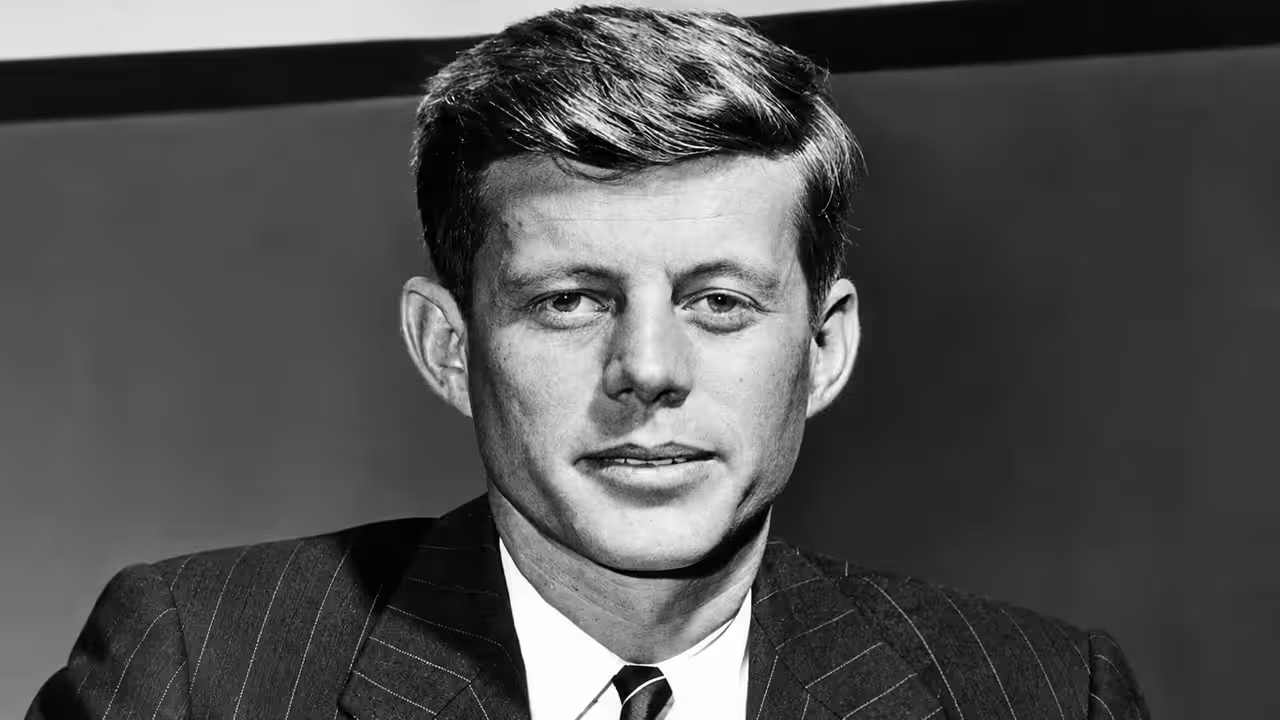
A small coconut shell became an unusual reminder of one of the most difficult experiences in John F. Kennedy‘s World War II days. Before becoming the 35th President of the United States, Kennedy was a US Navy officer who operated in the Pacific during World War II. In August 1943, his patrol torpedo boat was hit by a Japanese destroyer, causing him and his men to be stuck in the water. As help seemed impossible, Kennedy and his men needed to come up with something in order to reach the Allies. A man from the nearby island suggested that they use a coconut husk for writing the message. Kennedy wrote their story on the coconut and it was delivered to the Allies by two Solomon islanders. All 11 survivors, Kennedy included, were rescued, thanks to the coconut. Later on, Kennedy placed the coconut in a wooden and plastic holder and used it as a paperweight in his office.Japanese destroyer Amagiri rammed PT-109Kennedy took command of the motor torpedo boat PT-109 on April 23, 1943, according to the U.S. Navy History and Heritage Command. The boat served in the Solomon Islands, where the US forces aimed to prevent Japanese vessels from delivering supplies to the Japanese soldiers in the area. Such an operation carried out by the Japanese was called the Tokyo Express. During the night of August 1-2, PT-109, along with 14 other American patrol boats, patrolled in the Blackett Strait to attack Japanese destroyers.At about 2:30 AM, the Japanese destroyer Amagiri approached PT-109. At first, Kennedy failed to recognise the approaching ship due to darkness. However, he attempted to maneuver PT-109 so that it could shoot the Japanese destroyer. However, there was not enough time for that. The destroyer collided with PT-109 and destroyed the wooden boat. The collision sent the entire crew into the water and ignited the gasoline that had spilled all over the wreckage. Two members of the crew, Andrew Kirksey and Harold Marney, went missing and were believed dead. The remaining 11 men survived and managed to reach the floating wreckage.It was Kennedy who managed to gather all the living men and organised their escape to safety. There was one crew member, Patrick H. McMahon, who was badly burnt and unable to swim. While McMahon was hanging onto his life jacket strap, Kennedy towed him through the water. Finally, they arrived at a small island.Kennedy and his crew struggled to contact Allied forcesThe first stop of the survivors was Plum Island or Bird Island. Later on, they went to Olasana Island, where they looked for food and water. There were also attempts by Kennedy and another officer named George Ross to look for any American patrols that might have passed through Ferguson Passage; however, their search yielded no results. On August 5, Kennedy and Ross finally arrived at Naru or Cross Island. Here, they found some supplies and a canoe. At this point, they also met Solomon islanders named Biuku Gasa and Eroni Kumana, who worked as scouts for the Allies.At first, the islanders were quite wary about meeting the Americans. However, with the help of another surviving officer, Lt. Leonard Thom, they convinced the two islanders that they were Americans and needed their help. The next day, August 6, Kennedy went back to Naru with the two Solomon islanders. To get word of the sailors’ whereabouts to the coastwatchers, he needed a way to send it. Gasa suggested writing a message on the Green coconut husk.The coconut carried a message, confirming that 11 men were aliveKennedy put a note on the shell of the coconut. This note gave information regarding the exact location, stated that there were 11 men still alive, and that there was a man who would help in navigating a boat around the area. The note said, “NAURO ISL… COMMANDER… NATIVE KNOWS POS’IT… HE CAN PILOT… 11 ALIVE… NEED SMALL BOAT… KENNEDY.”Gasa and Kumana delivered the coconut to the coastwatchers from the Allied side. Lieutenant A. Reginald Evans, who happened to be posted in the area, received the message. The message gave the coastwatchers the information they needed. According to the National Archives article “Sixty Years Later, the Story of PT-109 Still Captivates,” Gasa suggested using a green coconut husk; the two islanders delivered Kennedy’s message and Kennedy and Ross had earlier tried and failed to find American patrol boats.Allied forces rescued the surviving crewOn the morning of August 7, eight islanders came to Naru with food and instructions from Evans. Evans wanted Kennedy brought to his station so he could organise the rescue. The islanders hid Kennedy under palm leaves and took him to Gomu Island. Kennedy talked with Evans and found out that the rescue operation was being organised. He assured Evans that he would lead the American patrol boats safely through the area’s coral reefs and shallow waters to avoid any grounding.Later on August 7, Kennedy joined the crew of PT-157. He helped guide PT-157 and PT-171 through Blackett Strait to Olasana Island, where the other crew members were waiting. The rescue occurred early on August 8. All 11 survivors made their way to Rendova by 5:30 AM, six days after the accident. Kennedy was awarded the Navy and Marine Corps Medal for his bravery and resourcefulness in the situation and he later received the Purple Heart for his injuries.Kennedy kept the coconut as a paperweight in the Oval OfficeThe coconut message stayed with him, even after being rescued. Later on, Kennedy preserved the coconut shell inside a wood and plastic case, which was used as his paperweight on his desk at the Oval Office when he was the President. This was his own memento of the events that happened in 1943 with the help of Gasa and Kumana. The National Park Service’s account of Kennedy‘s World War II service includes a photograph of the preserved coconut and confirms that he used it as a paperweight in the Oval Office.You use AI every day. Now get your AI Quotient. Take the AIQ test.
Topics in this story
Gathered from external sources. Rights to this text belong to whoever originally published it.