Data centers forgot the consumer — and that could cost America the AI race
Fewer than 30% of Americans support data centers in their communities as concerns over electricity, water, and noise outpace industry promises about AI.
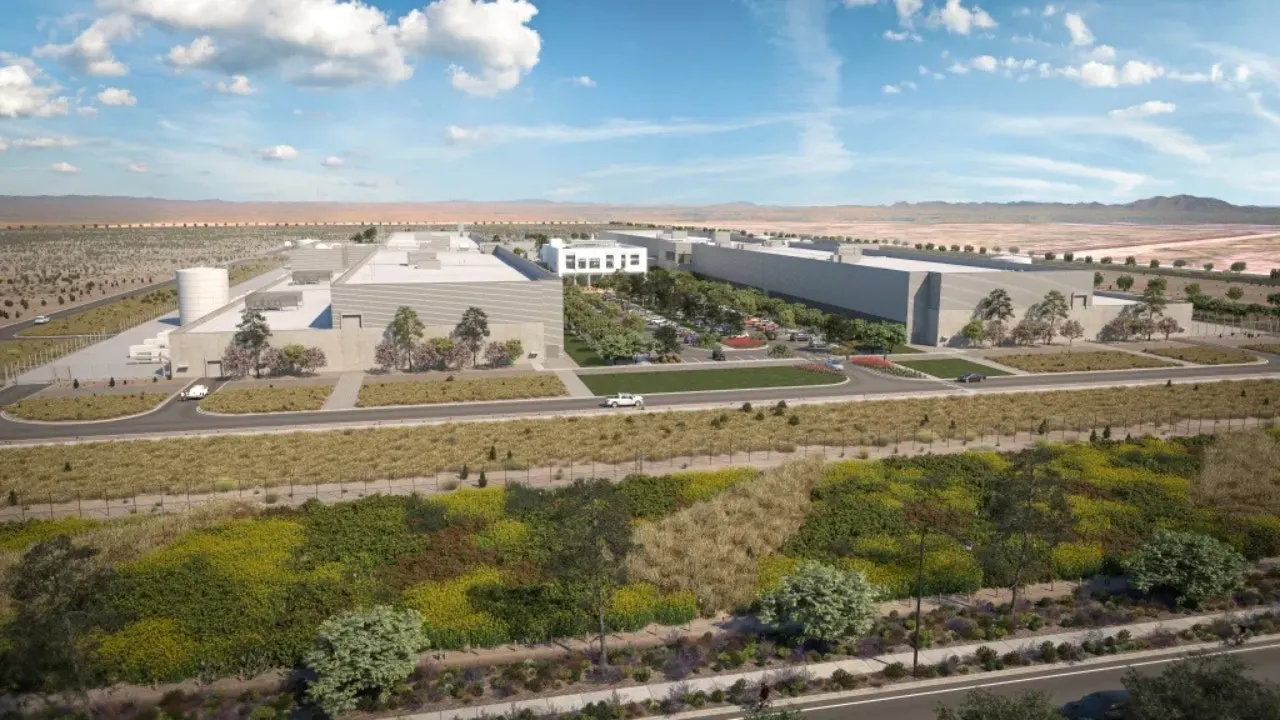
Data centers have gone from a niche policy issue to one of the most controversial topics of the midterm elections. Fewer than 30% of Americans support a data center being built in their community and the reason why is simple; the industry forgot about consumers. Data centers didn't suddenly appear with artificial intelligence. They have long powered the internet, cloud computing, streaming, online shopping, banking, and countless other services Americans use every day. But the emergence of AI changed their scale and visibility. Companies began proposing larger facilities with new demands for electricity, water, and space, often in communities where residents had little idea what was coming until the project was already well underway. The industry had plenty to say about investment, innovation, and America's race to lead the world in AI. All true and all important, but it did so in a way that alienated the average person with jargon, tech-talk, and a "trust me" approach. SILICON VALLEY IS LOSING THE DATA CENTER FIGHT, RISKING A REPEAT OF A CLASSIC FAILURE Most consumers have yet to hear a good reason why they personally benefit from data centers to begin with. They hear data centers will power the technologies of the future, but that is a difficult sales pitch when families are worried that their electric bills could rise or their water supply could be strained. As a result, consumers have stepped into the conversation and begun to make their concerns known, and politicians are being forced to respond. TEXAS GOV. GREG ABBOTT EFFECTIVELY PAUSES NEW DATA CENTER PROJECTS PENDING STATEWIDE GRID AUDIT In Texas, Gov. Greg Abbott has issued a pause to audit all new data center projects to ensure they meet consumer demands. Georgia has also moved in the same direction, with the Georgia Public Service Commission adopting rules to prevent costs associated with serving data centers from being shifted onto residential customers and small businesses. Most recently, Pennsylvania Gov. Josh Shapiro imposed restrictions on data center development, removing the projects from the state’s Fast Track permitting program. This isn’t rocket science. Consumers want answers on electricity, water, and noise. And once that is answered, they want to know what benefit they will have from a data center being built in their own backyard. AI'S MASSIVE APPETITE FOR POWER, WATER IGNITES FIGHT IN HIGH-STAKES TEXAS SENATE RACE The failure of the industry to address these concerns at the outset has unfortunately made way for the same climate activist groups who have protested the energy industries for years to gain significant ground in the policy debate surrounding data centers. According to congressional inquiries and investigative research, Chinese state media and foreign-funded networks have allegedly played a major role as well. CLICK HERE FOR MORE FOX NEWS OPINION But all is not yet lost. Reasonable consumers understand data centers power everything from healthcare and emergency response to research and banking and welcome the economic growth, if done right — and modern data centers are addressing many of their concerns. They are leveraging closed-loop cooling systems that reuse and significantly reduce water consumption, they’re making changes that cut the noise disturbance, and they’re finding ways to bring their own power or building out and strengthening the grid. TOP ENERGY GROUP WARNS WEALTHY FOREIGNERS ARE POTENTIALLY BANKROLLING ANTI-DATA CENTER CAMPAIGNS ACROSS US There are more stories coming out about the benefits data centers are having in communities. In Loudoun County, Virginia, data centers have provided a massive boost to local revenues, including generating almost half of the county’s property tax revenues. In Quincy, Washington, revenues generated by data centers have helped fund a new hospital, police and fire stations, city hall, a $120 million high school, and more local projects. And in Ellendale, North Dakota, a data center development has taken the city’s annual sales tax revenue from about $400,000 a year to $3.5 million in the first seven months of 2026. CLICK HERE TO DOWNLOAD THE FOX NEWS APP The industry was wrong to ignore their most powerful ally, the consumer. In the same way consumers used their power to halt the momentum of ESG and woke capitalism, they’re demanding modern data centers that mitigate risks while bringing clear evidence of community benefit. If the industry listens to consumers, then data centers may have a place in our communities after all.
Topics in this story
Gathered from external sources. Rights to this text belong to whoever originally published it.