In 2010, a Briton paid about $5 at a Las Vegas garage sale for sketches; one was appraised at up to $2.4 million as a possible Warhol, the authentication board declined to verify it, and it later appeared on eBay for $2 million
Discover the astonishing story of British businessman Alan Fields, who bought a sketch at a Las Vegas garage sale for just $5, only to claim it could be an early Andy Warhol worth $2.4 million. Explore the authentication struggles and the eccentric world of art valuation.
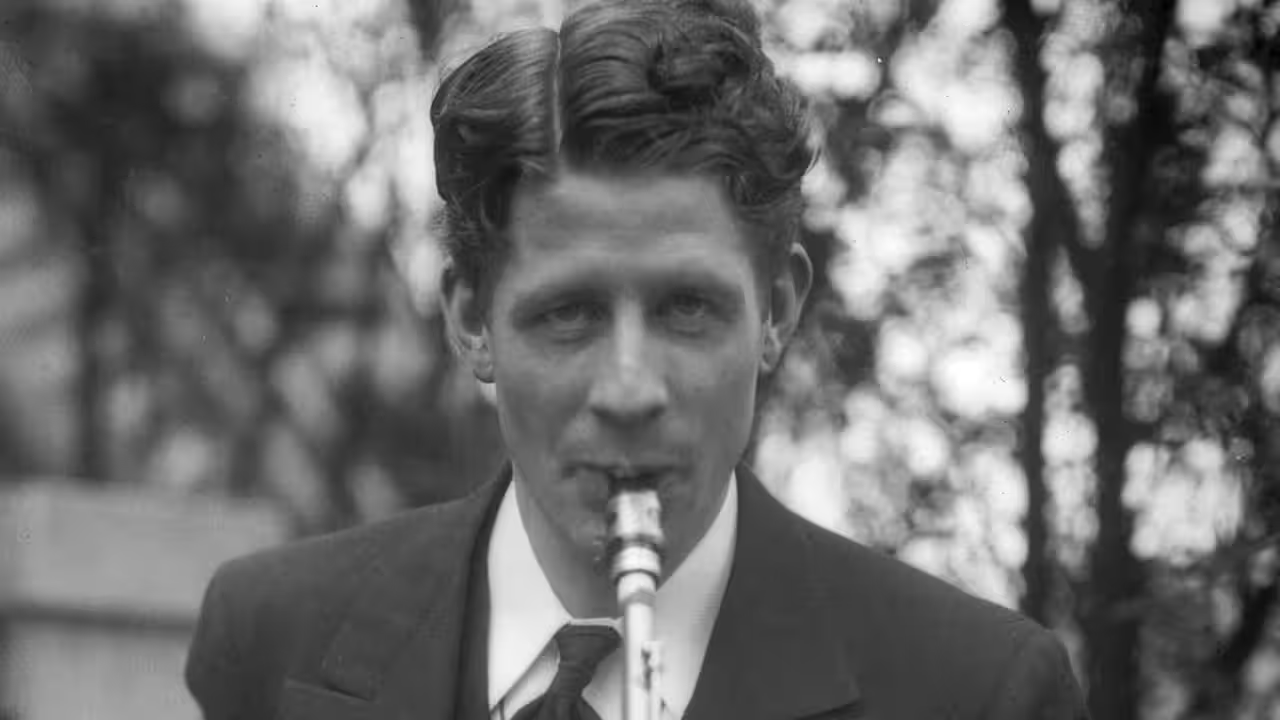
Most garage sales tables hold chipped mugs and old paperbacks. In 2010, British businessman Alan Fields said he paid $5 at one in Las Vegas for a handful of framed sketches, ABC News reported in 2012. He later concluded that one of them was an early Andy Warhol drawing, potentially worth millions. The authentication board might once have ruled on it and announced its closure in 2011.Five dollars and a signatureFields once told ABC News that the drawing cost him $5 and that he noticed the signature only while framing it at home. The drawing depicts the singer, Rudy Vallee, set against a background of brightly coloured one-inch squares. Fields said he was told it dates from when Warhol was 11 and ITV News reported that he believes Warhol drew it as a schoolboy in Pittsburgh. According to the Daily Caller, Fields claims the piece pushes the origin of pop art back by almost two decades, since pop art is believed to have started when Warhol was 30. Sources diverge on the origins. ABC News, in an article in 2012, reported that the piece belonged to an aunt of the seller, who had taken care of Warhol during his childhood. According to Fields, in 2013, ABC News reported that the artist grew up within a few blocks of the seller.A $2.4 million valuation Fields told ABC News that Brett Maly, an appraiser from the Art Encounter dealership in Las Vegas, valued the drawing at $2.4 million. In a report by the Las Vegas Review Journal, Maly’s valuation range was given as $1.4 million to $2.39 million. Anyway, this amount puts a value on the drawing as though it were real. This is an appraisal and not a selling price for the piece of artwork. Fields told ABC News in 2013 that he had spent two years trying to authenticate the work.The board that did not authenticate itThe drawing was submitted to the Art Authentication Board of Andy Warhol. According to him, it was returned with a note saying there was not enough evidence and the board was dissolved in October 2011, ABC noted. The press release from the foundation dated 19 October 2011 stated that the board would respond to all requests made before that day and would not accept new requests.PBS Antiques Roadshow explains the backstory. The board had reviewed about 6000 pieces in 15 years, but the board closed down after spending $7 million in a span of three years in its legal battle against collector Joe Simon-Whelan after refusing to authenticate his Warhol portrait. The board was operating on an annual budget of about $500,000 and Mike Strauss, who is the chairman of the foundation, stated in The Wall Street Journal that the money should go to artists and not the lawyer.It meant that it closed down one way of authentication, not all ways. According to PBS, Warhol can still be authenticated by experts and from the foundation catalogue raisonne and according to Meredith Hilferty, who is an appraiser for PBS, nothing much could be done towards selling a Warhol piece if it is omitted from the catalogue. According to ABC, no one person or organisation was authorised to authenticate Warhol pieces by the foundation. This particular article from PBS explains why authentication was hard for Warhol pieces. Warhol had left behind thousands of pieces and many of those pieces were partly produced by assistants working for him at his studio, The Factory.Fields claimed that auction houses did not accept the drawing without authentication. Instead, in August 2013, he put the drawing up for sale through the eBay UK site at a price of $2 million and ABC New claimed that by the end of that Thursday, there were no serious bidders on the drawing.Questions about the family connection and the signatureAccording to the same report by ITV, Fields managed to contact James Warhol, Warhol’s nephew, who claimed that the drawing was not a genuine one. The drawing is signed “Andy Warhol” but HuffPost points out that the artist didn’t drop the final “a” from the Warhola until 1949, roughly a decade after the date Fields gives for the drawing. Thus, the $2 million evaluation of the drawing is based on the owners' assessment, conditional appraisal and a questionable dating of the signature. There has been no authentication done by any authentication board regarding the drawing and the foundation claims that there is currently no one authorised to do it.You use AI every day. Now get your AI Quotient. Take the AIQ test.
Topics in this story
Gathered from external sources. Rights to this text belong to whoever originally published it.