Deadlocked jury continues its deliberations in Matthew Farwell trial
It was a stunning end Monday to the first full day of deliberations in the Matthew Farwell trial, with the jury already reporting that it’s deadlocked.
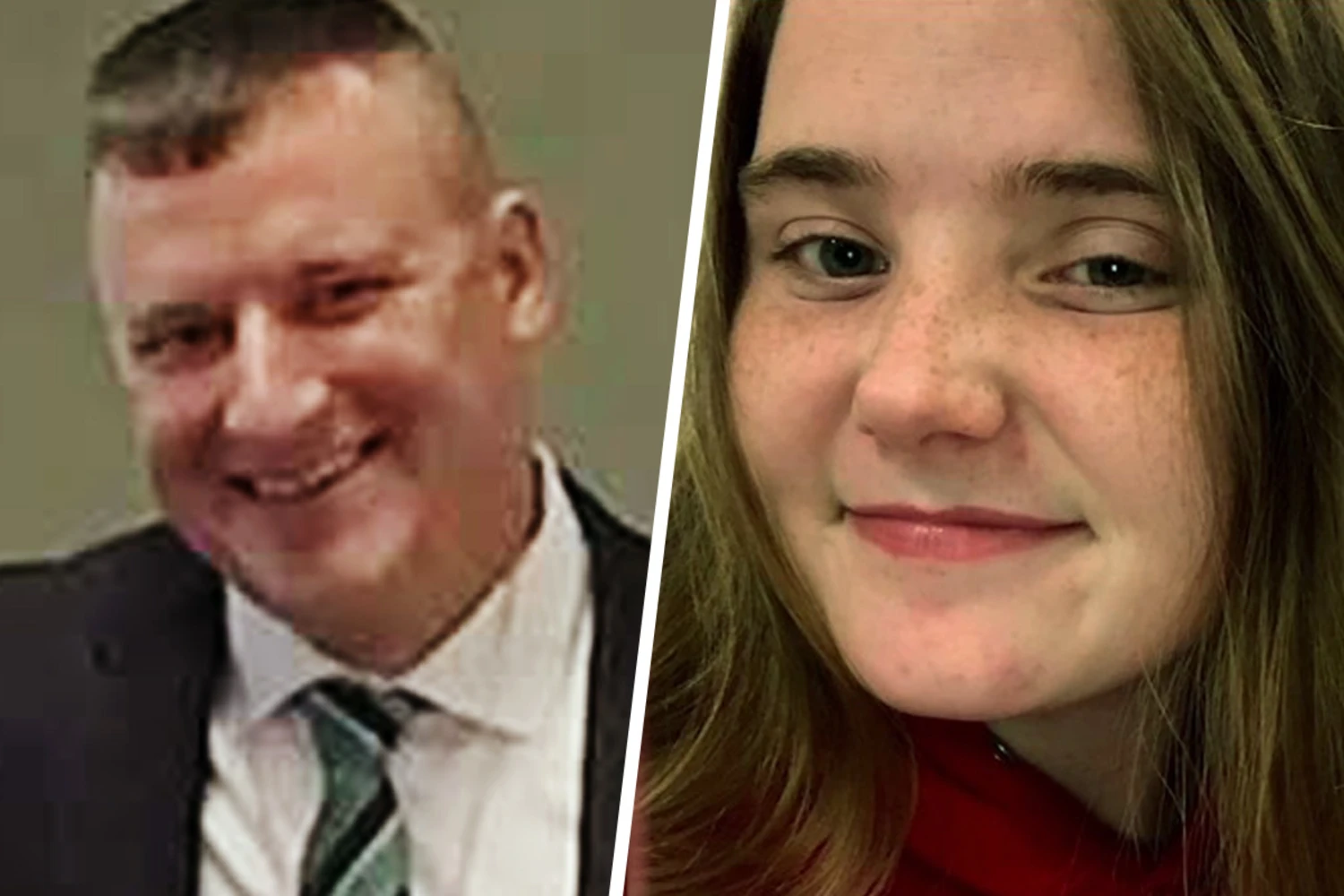
It was a stunning end Monday to the first full day of deliberations in the Matthew Farwell trial, with the jury already reporting that it’s deadlocked. Deliberations continue Tuesday at the federal courthouse in Boston, but uncertainty remains. At the beginning of the day, Judge Denise Casper addressed the jury in response to the notes they sent her. She told them to take the time they need, explaining that the court does not have the ability to stay open past 6 p.m., but they are free to return day to day to complete their duty. She then sent them back to resume their deliberations. If that doesn’t work, she could take additional steps. A Tuey-Rodriguez charge is a special instruction given by a judge in Massachusetts to a deadlocked jury that is struggling to reach a unanimous verdict. It’s known as the “Allen charge” in federal court. NBC10 Boston chief legal analyst Michael Coyne explains it’s a supplemental instruction urging a jury to forego their differences and come to a unanimous decision. He said it’s not if the judge will do this but when. Coyne didn’t expect it to be first thing this morning. He points out this is not a traditional murder trial. Jurors who don’t believe Sandra Birchmore died by suicide are not just deciding did Farwell do it -- but they’re deciding if he did it to stop her from reporting his crimes to law enforcement. Jurors deliberated for a little more than three hours Friday before going home for the weekend. The former Massachusetts police officer is accused of killing a pregnant Birchmore to keep her from revealing he had begun sexually abusing her when she was 15. Federal prosecutors say Farwell killed Birchmore, 23, and tried to stage her death as a suicide on Feb. 1, 2021, after learning she was pregnant with what he thought was his child. At the time, Farwell was a married detective with the Stoughton Police Department, where Birchmore had participated in a youth program as a child. “You know on Feb. 1 Matthew Farwell didn’t go to Sandra Birchmore’s apartment for a clean break,” Assistant U.S. Attorney Brian Fogarty told the jury in closing arguments. “He went to clean up the mess he created for himself years earlier, a mess that could bring serious charges and destroy his life. He cleaned up the mess by taking Sandra’s life.” Lawyers for Farwell, who is now 40, acknowledge he had an extramarital relationship with Birchmore. But they say he didn’t kill her and didn’t have sex with her until she was old enough to consent under Massachusetts law. They said Birchmore had threatened suicide before and that she was devastated when Farwell came to her apartment to break up with her that February. “When all is lost and all hope is gone and you’re alone in the world, are you going to pick your phone up? Or did she sit down and take that strap and make the pain stop?” Farwell’s attorney, Kimberly Stevens, told the jury. The nearly monthlong trial — with about 50 witnesses and 500 exhibits — unfolded in federal court in Boston, partly because local prosecutors never brought criminal charges. Massachusetts State Police officers and investigators, some with personal connections to Farwell, quickly concluded Birchmore’s death was a suicide after she was found slumped on her apartment floor with a strap around her neck. One investigator, Fogarty said, saw nothing suspicious in Birchmore’s apartment and concluded this was a “troubled girl who killed herself.” The state’s medical examiner, relying partly on information from police, initially ruled Birchmore died by suicide. The office has since changed the official manner of death to “undetermined.” Birchmore’s friends and family never believed the teacher’s aide had killed herself. She had told dozens of friends about her pregnancy and, according to prosecutors, was thrilled to start her next chapter as a single mom. A stroller, still in the box, was found in her apartment along with an ultrasound photo pinned to her refrigerator. The FBI began looking into Birchmore’s death in 2023, partly at the urging of a former deputy chief at the Stoughton Police Department who had led an internal affairs investigation into Farwell. Federal investigators concluded the local probe was rushed and compromised. Farwell was interviewed for just 15 minutes in a parking lot, they said. Investigators didn’t take notes, examine him for injuries or sample his DNA. Police looked at Farwell’s phone only after he had deleted texts with Birchmore. The FBI investigation uncovered about 40,000 texts between Farwell and Birchmore, including some in which they reminisced about having sex when he was 27 and she was 15 — too young to consent under Massachusetts law. The texts also showed how their relationship grew contentious as Birchmore pressed Farwell to get her pregnant and threatened to tell his wife about their relationship. Prosecutors argued that Farwell also feared Birchmore would contact law enforcement about his crimes. He became more controlling, prosecutors said, tracking her phone and ordering her to delete compromising communications. Texts in late 2020, after she was pregnant, showed they argued over what role, if any, Farwell would play in the child’s life. A paternity test after Birchmore’s death revealed a different man was the father. Twelve days before she died, a friend of Birchmore had called the Stoughton Police Department to report their affair. A digital forensics expert testified that on the night of Birchmore’s death, her phone stopped moving three minutes before the lobby security camera recorded Farwell leaving her building. An expert hired by prosecutors, Dr. William Smock, testified that Birchmore’s injuries indicated she was strangled with a duffel bag strap and that she struggled before dying. He noted that her glasses were not near her body and a pair of flip-flops were overturned. A defense expert, Dr. Thomas Andrew, the former chief medical examiner in New Hampshire, dismissed Smock’s determination that it was a homicide.
Topics in this story
Gathered from external sources. Rights to this text belong to whoever originally published it.